Iran Proposes Reopening Strait of Hormuz and Ending War Before Nuclear Talks with U.S.
Iran has submitted a new proposal to the U.S. via Pakistani mediators, prioritizing the reopening of the Strait of Hormuz and lifting the naval blockade before addressing nuclear issues. President Trump indicated he prefers maintaining pressure through the blockade to force concessions on Iran's nuclear program.
Substrate placeholder — needs reviewIran has proposed a phased approach to resolving the ongoing conflict with the United States, focusing first on reopening the Strait of Hormuz and ending the war, while postponing nuclear negotiations to a later stage. The proposal, delivered through Pakistani mediators, aims to break the current stalemate in talks.
Multiple sources confirm that Iranian Foreign Minister Abbas Araghchi discussed this during recent visits to Pakistan and Oman. The U.S. has received the proposal, but its response remains unclear. President Trump stated in a Fox News interview that he intends to continue the naval blockade, predicting it could pressure Iran within weeks due to risks to its oil infrastructure.
Trump also canceled a planned trip by envoys Steve Witkoff and Jared Kushner to Islamabad, citing the lack of progress.
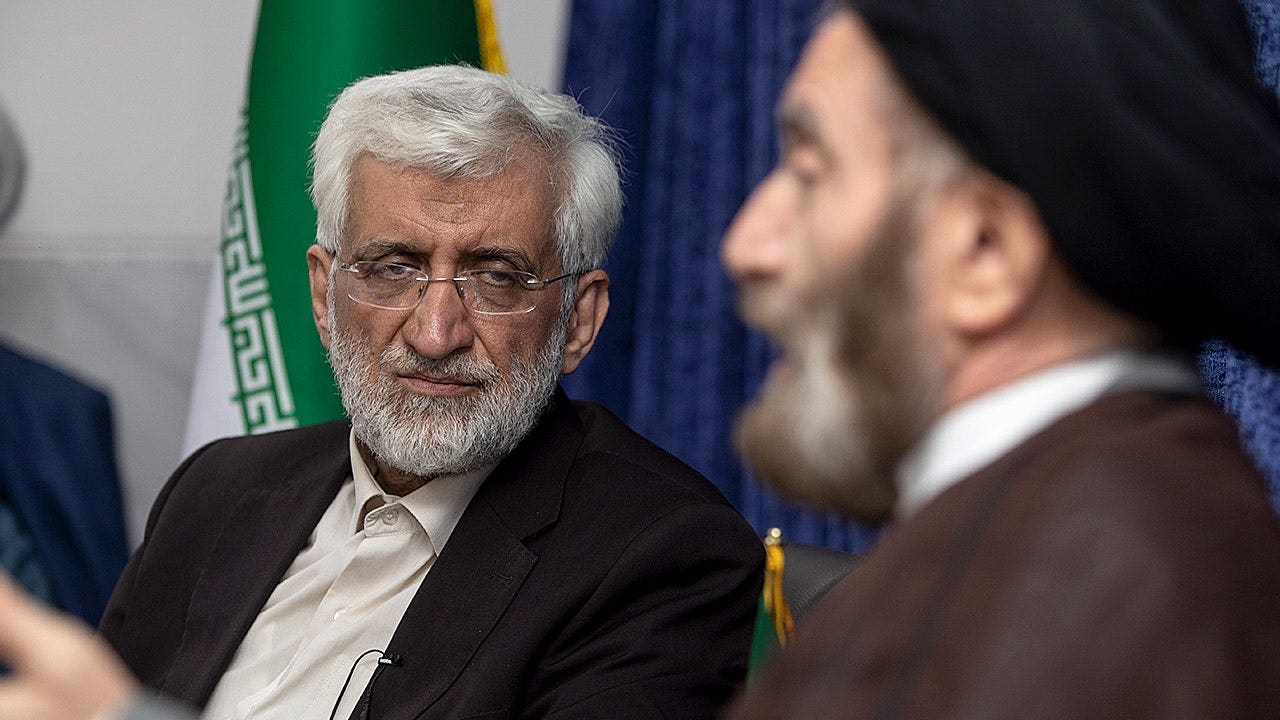
Iran, leadership shifts are complicating the negotiations. Reports indicate that Mohammad Bagher Ghalibaf has stepped down from his role in the negotiating team amid internal disputes over nuclear concessions. Saeed Jalili, a hardliner and former nuclear negotiator, is expected to take over, signaling a potential hardening of Iran's stance.
Ali Safavi, an official with the National Council of Resistance of Iran, described Jalili as an influential figure within the regime, noting that factions differ in methods but share objectives like pursuing nuclear weapons. Jalili, who lost a leg in the Iran-Iraq War, leads the Paydari Front, which opposes Western engagement.
“The factions all ultimately move along a common path: the preservation of power. They differ in methods, not in objectives.”
Pakistani officials have relayed the proposal to the White House, but spokespeople for Pakistan's foreign ministry and military declined to comment. White House spokesperson Olivia Wales stated that the U.S. will not negotiate through the press and seeks a deal that prevents Iran from obtaining a nuclear weapon.
Trump is set to hold a situation room meeting on Monday with his national security team to address the stalemate and consider options for the war. The U.S. maintains three aircraft carriers in the Middle East—the USS Abraham Lincoln, USS Gerald R. Ford, and USS George H.W. Bush—to enforce the blockade, marking the first such deployment in over two decades.
The proposal seeks to extend the ceasefire or achieve a permanent end to hostilities before tackling U.S. demands for suspending uranium enrichment and removing enriched stockpiles. Sources note internal Iranian disagreements on these nuclear concessions, with Araghchi conveying that no consensus exists among leaders.
Trump highlighted the blockade's impact, saying Iran's oil facilities could collapse without exports, reducing capacity to 50 percent if damaged. The Strait of Hormuz remains a critical chokepoint, with recent attacks on ships reported despite a ceasefire extension.
Analysts like Karim Sadjadpour have noted that the extended ceasefire and blockade continue to shape both sides' strategies.
“When you have vast amounts of oil pouring through your system ... if for any reason this line is closed ... what happens is that line explodes from within ... they say they only have about three days before that happens." — President Trump (Axios). The negotiations follow Trump's withdrawal from the 2015 nuclear accord, which led to Iran's increased enrichment activities. Higher energy prices could persist for months due to the disruptions, according to officials monitoring supply chains.”
Key Facts
Story Timeline
5 events- Today — expected
President Trump is set to hold a situation room meeting on Iran with his national security team.
3 sourcesAxios · Disclosetv · MarioNawfal - Apr 28, 2026 — yesterday
Iranian Foreign Minister Abbas Araghchi held talks in Muscat and returned to Islamabad for further discussions.
4 sourcesAxios · Fox News · Fortune.com · Investingcom - Apr 27, 2026 — 2 days ago
Araghchi visited Pakistan, leading to the new proposal being relayed to the U.S. via mediators.
5 sourcesAxios · Financialjuice · Disclosetv · MarioNawfal - Apr 25, 2026 — 4 days ago
President Trump canceled a trip by U.S. envoys to Pakistan due to stalled negotiations.
3 sourcesAxios · Fox News · Hot Air - Apr 24, 2026 — 5 days ago
Reports emerged of Saeed Jalili expected to replace Mohammad Bagher Ghalibaf in Iran's negotiating team.
1 sourceFox News
Potential Impact
- 01
The U.S. will likely reject the proposal to maintain leverage on Iran's nuclear program.
- 02
Energy prices will remain elevated for up to eight months due to Strait disruptions.
- 03
U.S. naval presence in the Middle East will persist with multiple carriers.
- 04
Iran's internal divisions will harden its negotiating position under Jalili's leadership.
- 05
Diplomatic talks will extend involving Russia and Oman as mediators.
- 06
Attacks on ships in the Strait of Hormuz will continue despite the ceasefire.
Transparency Panel
Related Stories
The GuardianWHO Chief Visits DRC as Ebola Death Rate Reaches 30-50%
World Health Organization director-general Tedros Adhanom Ghebreyesus arrived in the Democratic Republic of the Congo to support containment of a new Ebola outbreak. The agency revised the death rate to 30-50% based on confirmed cases and recorded 10 confirmed and 223 suspected d…
westernjournal.comGreek National Charged in UK With Aiding Iran-Linked Intelligence Service
A 46-year-old Greek man living in Germany was charged under the UK National Security Act with assisting an intelligence service believed to be Iran by targeting a journalist at Iran International.
physicianonfire.comBilt Rewards reports $1 billion revenue target for 2026
Bilt Rewards CEO Ankur Jain said the company's flagship credit card accounts for less than 11 percent of revenue. The firm now processes more than $100 billion in annual housing spend across one in four U.S. apartment buildings.