finance
Iran Proposes Reopening Strait of Hormuz, Lifting US Sanctions, Ending War
Iran has offered to reopen the Strait of Hormuz if the U.S. lifts its blockade and ends the ongoing war, while postponing nuclear program discussions. The proposal, relayed through Pakistan, comes amid a fragile ceasefire and rising global oil prices. President Donald Trump indicated the offer improved after he canceled envoy talks, but acceptance remains uncertain.
DE
UN
+5 manilatimes.net
Audio version
Tap play to generate a narrated version.
Iran has proposed reopening the Strait of Hormuz in exchange for the U.S. lifting its blockade on Iranian ports and ending the war that began on February 28, according to two regional officials. The offer, passed to the U.S. via Pakistan, would delay negotiations on Iran's nuclear program.
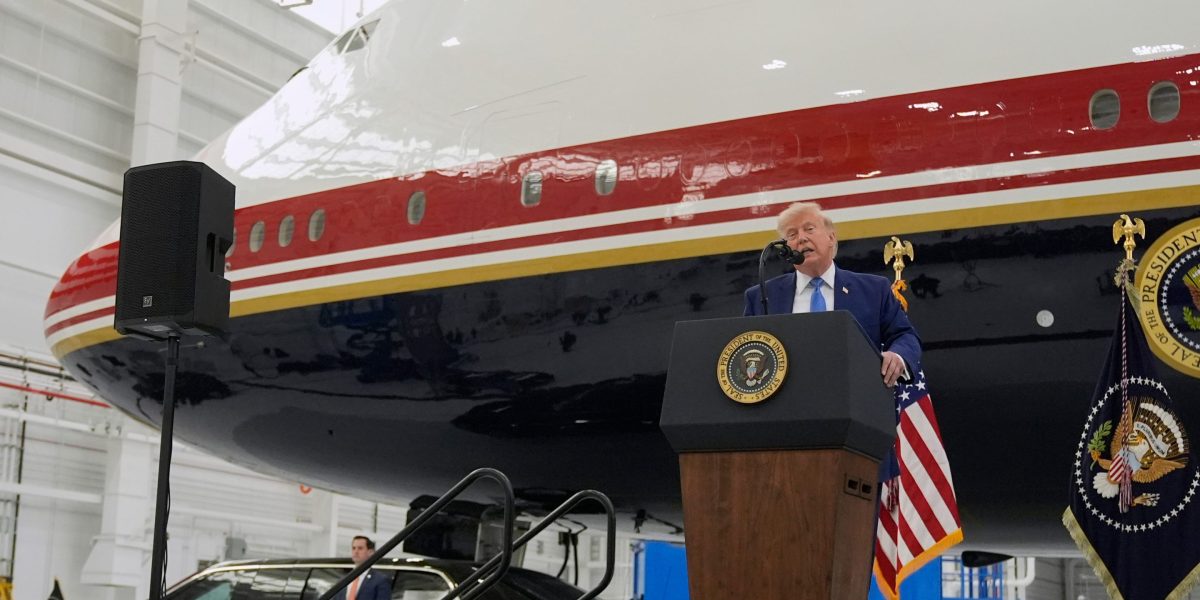
President Donald Trump described a recent Iranian proposal as "much better" after he canceled a trip by U.S. envoys to Pakistan, though he stressed that Iran must not obtain nuclear weapons. The strait, through which a fifth of the world's traded oil and gas passes in peacetime, remains blocked nearly two months into the conflict.
Brent crude prices reached around $108 per barrel on Monday, up nearly 50% since the war started. The closure has stranded tankers in the Persian Gulf and raised global prices for fertilizer, food, and other goods.
A ceasefire between the U.S. and Iran, agreed upon on April 7, was indefinitely extended by Trump last week. Despite the truce, the two sides continue positioning, with the strait as a key leverage point. Iranian Foreign Minister Abbas Araghchi met Russian President Vladimir Putin in St.
Petersburg on Monday, where Putin praised Iran's fight for sovereignty and pledged Russian efforts for Middle East peace, according to Russian state news agency Tass. Araghchi visited Pakistan and Oman over the weekend, and spoke by phone with counterparts in Qatar and Saudi Arabia.
Iran seeks Oman's support for a toll mechanism on vessels passing the strait, one regional official said. Pakistan has mediated, but Trump opted for phone talks instead of in-person meetings, citing time concerns.
“They gave us a paper that should have been better. In Israel, 23 people have been killed, with additional deaths in Gulf Arab states. Military losses include 15 Israeli soldiers in Lebanon, 13 U.S. service members in the region, and six U.N. peacekeepers in southern Lebanon. Hezbollah has not joined U.S.-brokered talks.”