Iran Reimposes Strict Control on Strait of Hormuz Amid U.S. Blockade
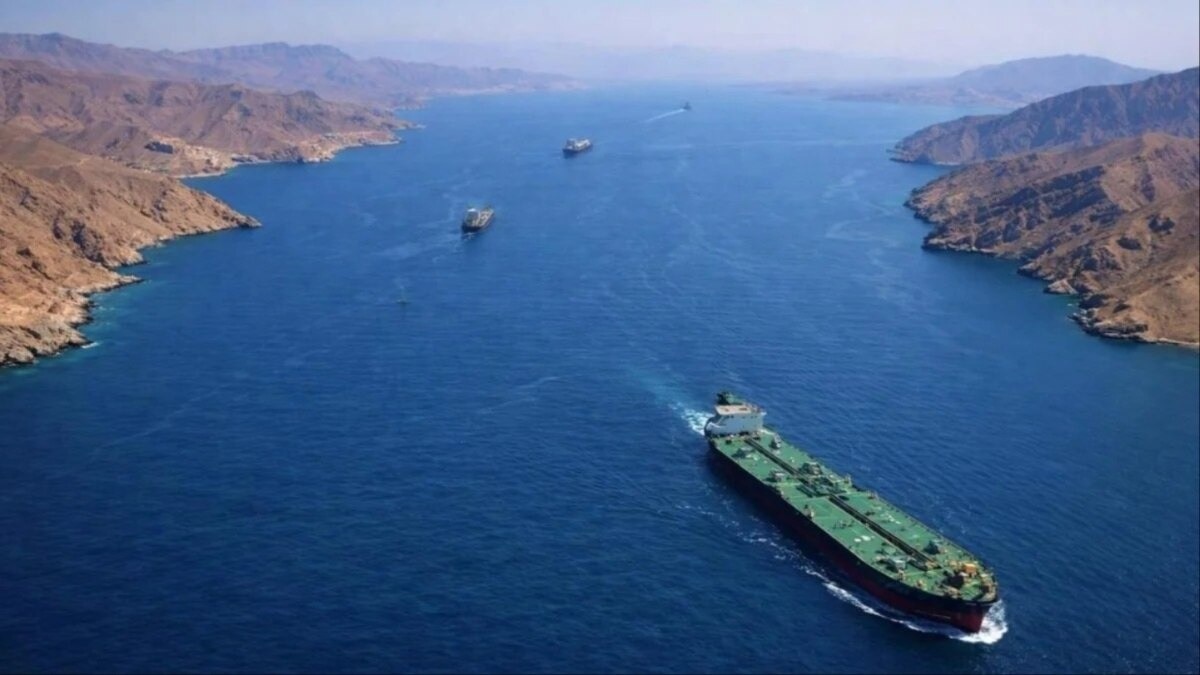
Iran's military announced it has resumed strict control over the Strait of Hormuz, reversing a brief reopening, in response to the ongoing U.S. naval blockade. The move follows President Trump's statement that the blockade will continue until a deal is reached. This development has raised concerns about global energy supplies, with reports of gunfire incidents involving merchant vessels.
NewsweekS. failure to fulfill obligations under recent agreements. The announcement came a day after Iran had declared the waterway open, allowing a limited number of commercial vessels to transit. S. blockade would remain in force until negotiations are complete.
Escalation and Incidents
Merchant vessels reported being hit by gunfire from Iranian gunboats while attempting to cross the strait, according to the United Kingdom Maritime Trade Operations Centre.
The tanker and crew in one incident were reported safe, though the vessel's identity and destination were not specified. S. of piracy and sea robbery through its blockade of Iranian ports, prompting the resumption of control.
Negotiation Context
And Israel. A ceasefire took effect on April 8, with opening the strait as a central demand. S. maximalist position. S. will recover 970 pounds of enriched uranium from damaged Iranian sites once a deal is reached, but Iran's deputy foreign minister dismissed these claims.
Broader Regional Developments
Iran's speaker of Parliament accused President Trump of false claims regarding the negotiations.
Brig. Gen. Reza Talaei-Nik, Iran's Defense Ministry spokesperson, said the strait is open only conditionally during the ceasefire, barring military vessels and those linked to hostile forces.
Ebrahim Azizi, head of Iran’s parliamentary National Security Commission, specified that commercial vessels must pay required tolls and follow routes set by Iran. President Trump rejected the idea of tolls, stating flatly, "Nope. No way. No. " >"Iran has just announced that the Strait of Iran is fully open and ready for full passage.
Ceasefire and Diplomatic Efforts
The ceasefire between Israel and Iranian-backed Hezbollah in Lebanon appears to hold, with Lebanese leaders discussing readiness for negotiations with Israel.
-Iran talks in Islamabad, expected early next week. Pakistani army chief Field Marshal Asim Munir visited Tehran, meeting Iranian President Masoud Pezeshkian and other officials to promote dialogue and de-escalation. Iran announced a partial reopening of its airspace over eastern regions, with flights gradually resuming after closure since February 28.
Market and Global Impacts Oil
Prices fell sharply on Friday after Iran's initial announcement of the strait's opening, but spiked earlier due to the closure.
Jet fuel prices have doubled, leading airlines to increase baggage fees and fares, with warnings of a potential systemic shortage in Europe if traffic does not normalize by month's end. The Celestyal Discovery became the first cruise ship to transit the strait after the brief reopening. S.
Service members. Half of Iran's workforce faces unemployment risk due to the conflict's impact on the labor market, according to Fortune.
Key Facts
Story Timeline
6 events- Today — April 18, 2026
Iran's military announced reimposition of strict control on the Strait of Hormuz in response to U.S. blockade.
10 sourcesNewsweek · Business Insider · The Independent - Yesterday — April 17, 2026
Iran declared the Strait of Hormuz open for limited commercial traffic, with vessels passing through.
8 sourcesBusiness Insider · The New York Times · nypost.com - Yesterday — April 17, 2026
President Trump posted on Truth Social thanking Iran for opening the strait but confirming U.S. blockade continues.
7 sourcesNewsweek · The Independent · @unusual_whales - April 8, 2026
Two-week ceasefire took effect between involved parties, with strait opening as a central demand.
4 sourcesBusiness Insider · The Independent - February 28, 2026
U.S. and Israel began striking Iran, leading to closure of Iranian airspace and strait.
2 sourcesThe Independent - Earlier this week
U.S. announced naval blockade of the Strait of Hormuz after Iran's effective closure.
3 sourcesNewsweek
Potential Impact
- 01
Oil prices will likely rise due to restricted transit through the strait.
- 02
Negotiations between U.S. and Iran may stall over disputed claims.
- 03
Airlines will increase fares and fees from doubled jet fuel prices.
- 04
Global energy supplies face jitters from ongoing strait restrictions.
- 05
Commercial vessels must pay tolls for strait transit under Iranian rules.
- 06
Iran's workforce unemployment risk increases from war's labor market damage.
Transparency Panel
Related Stories
middleeastmonitor.comFrench UNIFIL Soldier Killed and Three Wounded in Southern Lebanon Attack
A French soldier serving with the UN peacekeeping force in Lebanon was killed and three others injured in an attack in the southern part of the country. The incident involved an alleged shootout, with some reports attributing it to Hezbollah. French officials condemned the attack…
gulfbusiness.comShiite Identity Gains Prominence Amid Middle East Cease-Fire and Conflicts
The growing emphasis on Shiite identity is expected to influence future regional tensions in the Middle East, according to a Foreign Affairs analysis. This dynamic is evident in Lebanon and Iraq, where responses to military pressures are fostering alignments among Shiite groups.…
al-monitor.comTurkish Foreign Minister Discusses Israel's Approach to Enemies
Turkish Foreign Minister Hakan Fidan stated that Israel requires an enemy to maintain its rhetoric. He mentioned that this applies to the current Israeli administration and some opposition members. The comments were reported amid ongoing regional tensions.