Iran Encounters Issues in Nuclear, Military, Economic Areas
Iran's nuclear program, missile arsenal, and economy have suffered extensive damage amid ongoing conflicts. Proxy networks and regional alliances have also weakened. These developments follow a series of military actions and economic pressures.
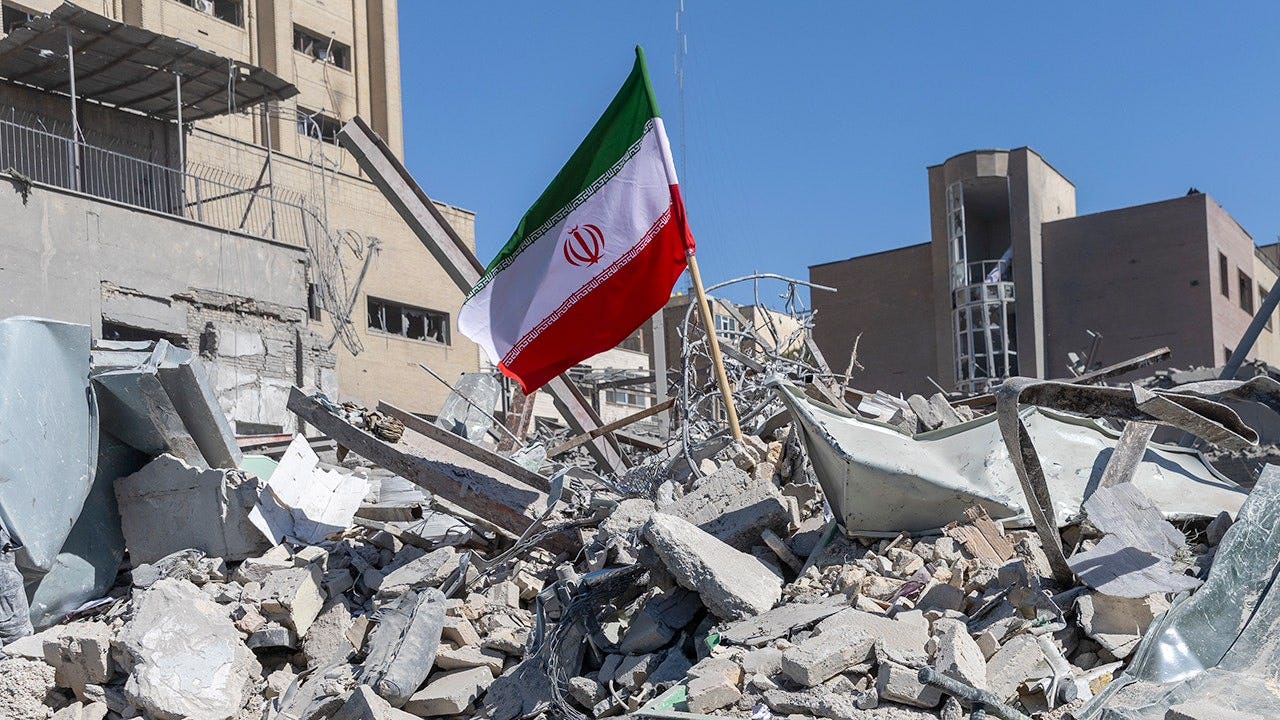 Fox News
Iran's nuclear program has been delayed by years, with key facilities such as Fordow and Natanz reported as ruined. Enrichment and reprocessing capabilities have been severely reduced, and several senior nuclear scientists have been killed. The ballistic missile production has dropped from about 100 missiles per month to nearly zero, with roughly half of the arsenal and launch infrastructure destroyed.
Iran's air defense systems have been significantly compromised, allowing foreign aircraft to operate over its territory with limited opposition. Economic measures, including sanctions and military interdictions, have reduced oil exports and impacted industries like steel and petrochemicals.
Inflation has reached triple digits, and the currency has depreciated sharply.
The regime has experienced losses among high-level figures, including the supreme leader and a top national security advisor. Hundreds of senior commanders in military and intelligence branches have been killed. The new supreme leader is reported to be injured from strikes, leading a structure with reduced authority.
Iran's naval capabilities have been diminished, and efforts are underway to secure key maritime routes such as the Strait of Hormuz. The country faces shortages in power, water, fuel, and other resources, contributing to widespread protests in December 2025 across all 31 provinces.
governments have frozen Iranian funds and closed off financial networks. Support from China and Russia remains limited. Proxy groups like Hezbollah and Hamas have been degraded, with leadership losses in related organizations. Syria's new government has blocked arms transfers and declared it will not serve as a transit route for weapons.
Direct peace talks between Israel and Lebanon have begun, focusing on disarmament and national defense responsibilities.
conducted four direct attacks on Israel in April 2024, October 2024, June 2025, and March 2026, which did not achieve significant strategic impacts and led to retaliatory actions. The regime has also faced a brain drain in scientific and technical fields, affecting missile and weapons development.


