world
Iran Survives War with US and Israel, Demonstrates Control Over Strait of Hormuz During Ceasefire
A two-week ceasefire in the war between Iran, the United States, and Israel has been brokered by Pakistan, with negotiations for a permanent end set to begin soon. Iran maintained its regime and key strategic capabilities despite extensive bombings and leadership losses. The conflict highlighted Iran's influence over the Strait of Hormuz, affecting regional security and global trade routes.
Apr 8, 1:56 PM·2m read1 source
 ecns.cn
Audio version
Tap play to generate a narrated version.
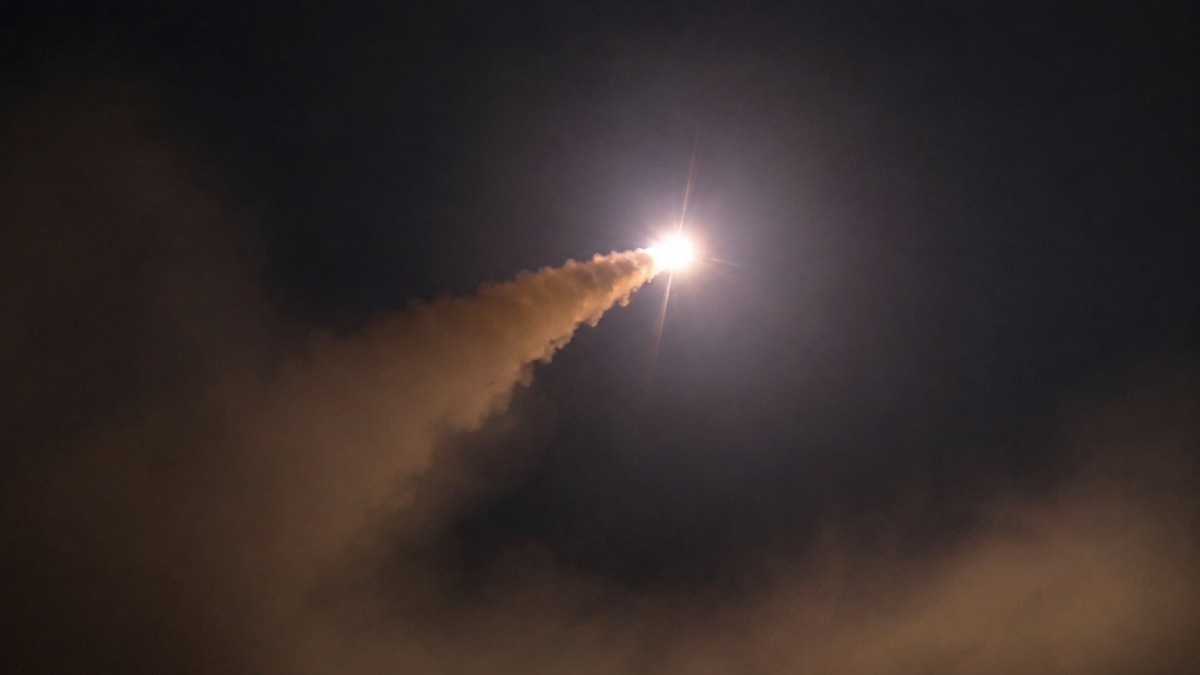
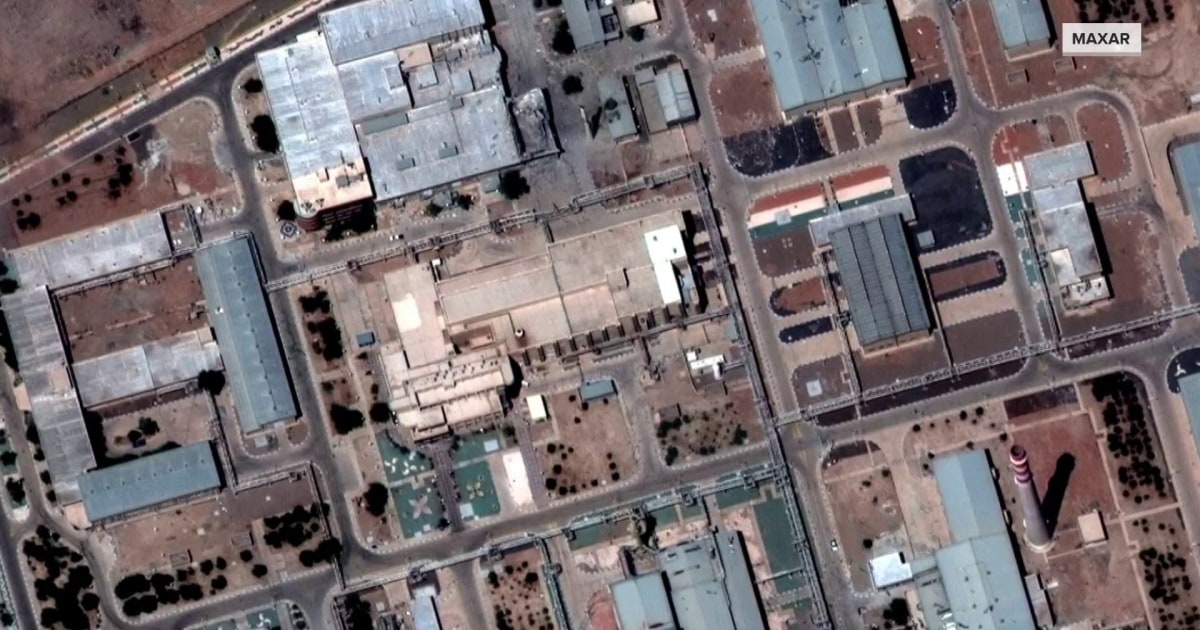
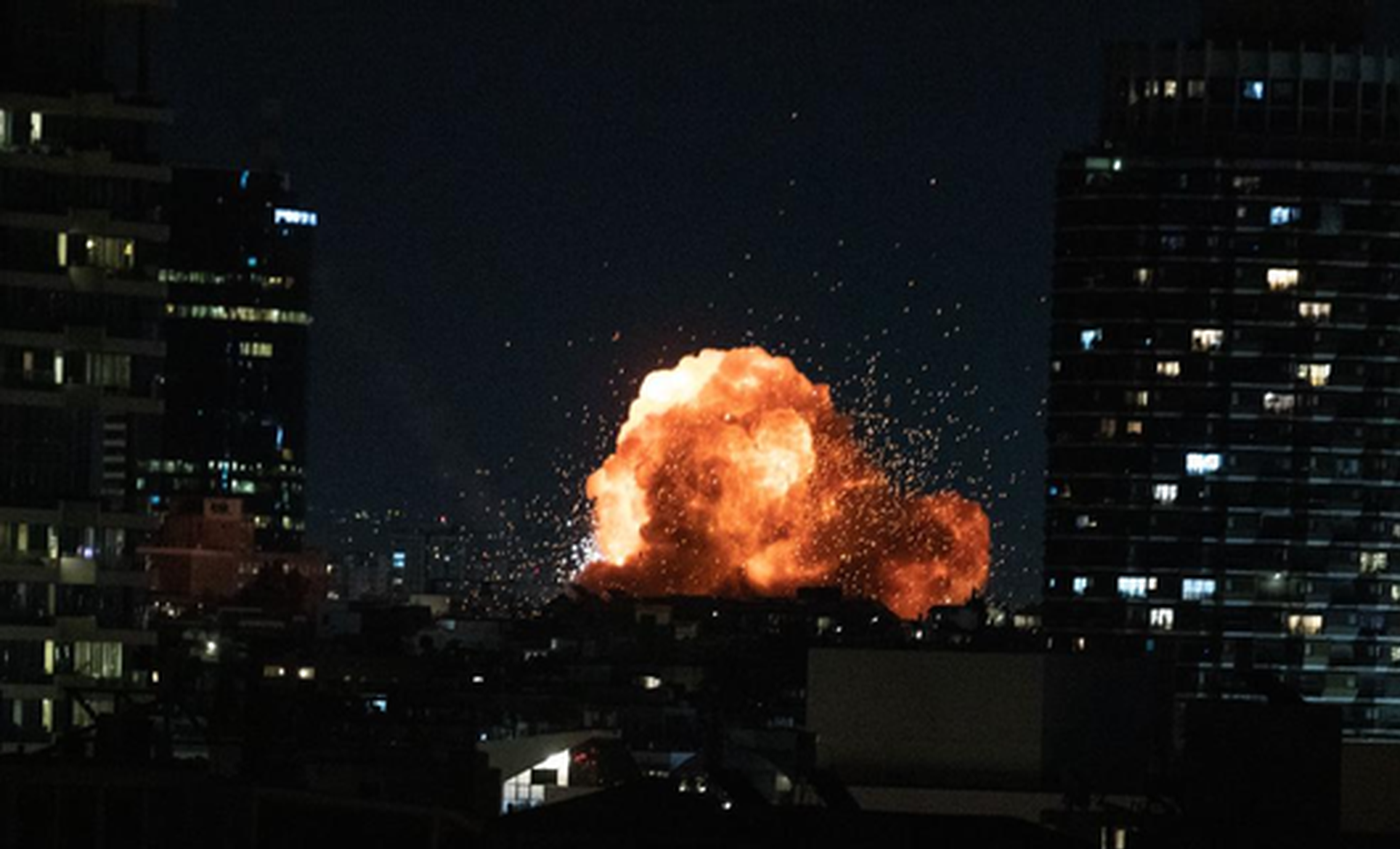
The war involving Iran, the United States, and Israel has reached a temporary halt with a two-week ceasefire brokered primarily by Pakistan. All parties have agreed to the pause, and negotiations for a permanent resolution are scheduled to start in a few days. The conflict, which lasted more than five weeks, involved intensive bombings by the US and Israel.
Iran's government survived the hostilities without regime change, despite President Donald Trump's claims to the contrary. The Iranian regime maintained many of its strategic assets, including a uranium stockpile buried underground. Advanced centrifuges and nuclear scientists faced losses, but Iran's capacity to manufacture new centrifuges persists.
Iran's missile launchers and production lines were not fully eliminated, as shown by attacks on Israel and neighboring Persian Gulf states that achieved direct hits until the ceasefire. The country's drone supply and production capabilities also remain operational. These elements allowed Iran to continue posing a threat to US allies in the region.
The war shook confidence in US security guarantees among Arab Persian Gulf states and reduced investor trust in the United Arab Emirates as a financial center. Tensions between Iran and Western nations increased, with some countries criticizing the US and European allies declining to join the conflict despite US requests. This has contributed to growing isolation for the US internationally.
A key development was Iran's demonstration of control over the Strait of Hormuz, a vital chokepoint for global oil, gas, and goods shipments. The Intercept reported that Iran's influence over the strait proved difficult to counter without a major ground invasion.
“Today, a page of history has been turned; the world has welcomed a new pole of power, and the era of Iran has begun.”