Iran and U.S. Exchange Messages Through Pakistani Mediation
Iran and the United States are exchanging messages and draft texts through Pakistani mediation aimed at establishing a framework for an agreement. A senior Iranian official told Reuters that no deal has been reached but gaps have narrowed on key issues including uranium enrichment and control over the Strait of Hormuz.
 thehindu.com
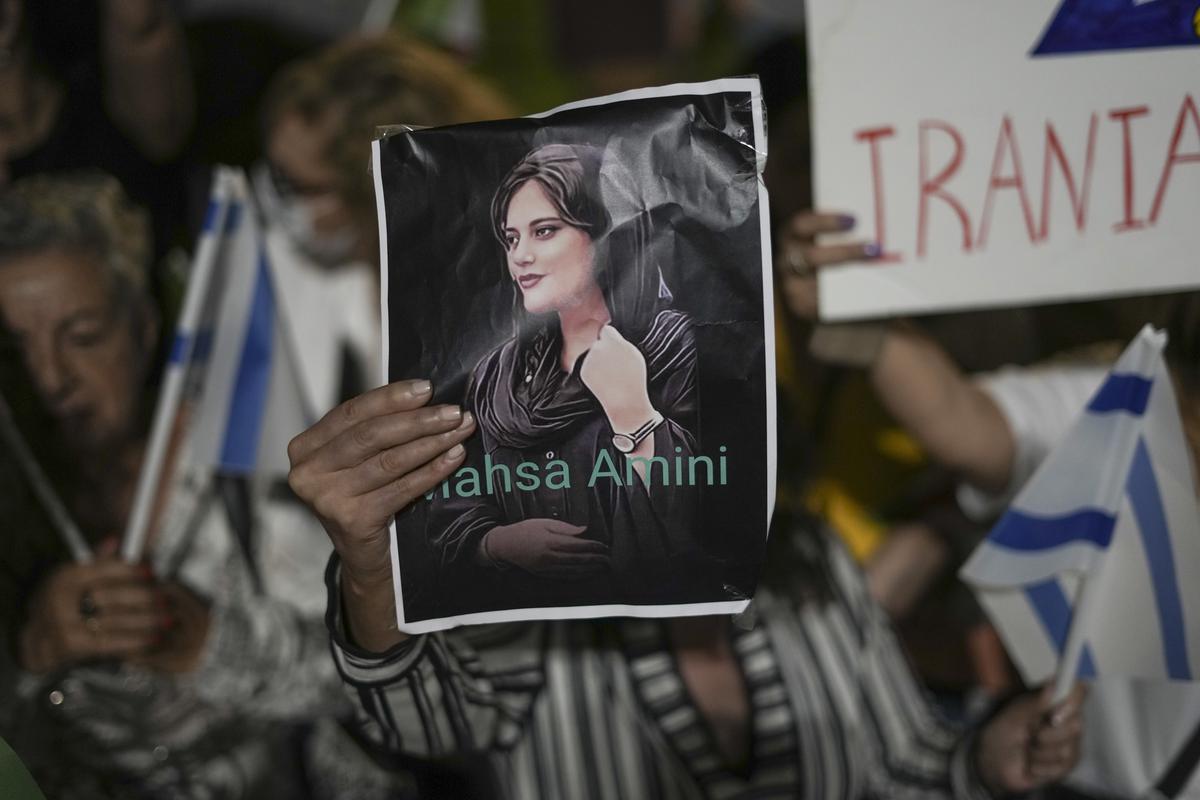
Iran and the United States are continuing indirect talks through Pakistani mediation, with both sides exchanging messages and draft texts to establish a formal framework for an agreement. Iran’s ISNA news agency reported that communications between Tehran and Washington remain ongoing via Pakistan.
An Iranian official earlier told Al Jazeera that negotiators are “very close” and working on a draft text.
A senior Iranian official told Reuters that no deal has been reached with the United States but gaps have narrowed. The official identified Iran’s uranium enrichment and Tehran’s control over the Strait of Hormuz as remaining sticking points. S. Secretary of State Marco Rubio said there are “some good signs” in the peace talks with Iran.
Rubio added that he does not want to be overly optimistic and will see what happens over the next few days.
The Trump administration has sent broad and at times contradictory messages on Iran even as diplomacy continues. Sina Azodi, an assistant professor of Middle East politics at The George Washington University, said that if officials in Tehran are unsure whether the president is serious about a deal, it makes concessions harder.
Azodi noted that Trump’s preference for “negotiation on air” complicates private talks. He said Tehran cannot easily decide whether the United States wants a deal or war.
The indirect talks occur against a backdrop of recent military exchanges between Iran and Israel. The United States exhausted a significant share of its advanced missile defense arsenal while shielding Israel during the conflict, according to defense assessments cited by The Washington Post.
US forces fired more than 200 THAAD interceptors to counter Iranian ballistic missiles, roughly half of the Pentagon’s total stockpile, while Israel conserved much of its own arsenal.
Transparency
3 independent outlets report the same core facts. This score blends how many outlets corroborate, their editorial tier, and how closely their facts agree — it measures corroboration, not proof.
Story details
Related Stories
 Financial Times
SoftBank Group Surpasses Toyota as Japan’s Highest-Valued Company by Market Capitalization
SoftBank Group’s market capitalization rose above ¥48 trillion on June 1, 2026, surpassing Toyota Motor’s ¥46 trillion for the first time since 2000. Shares of SoftBank climbed 14 percent in Tokyo trading.
 fortune.com
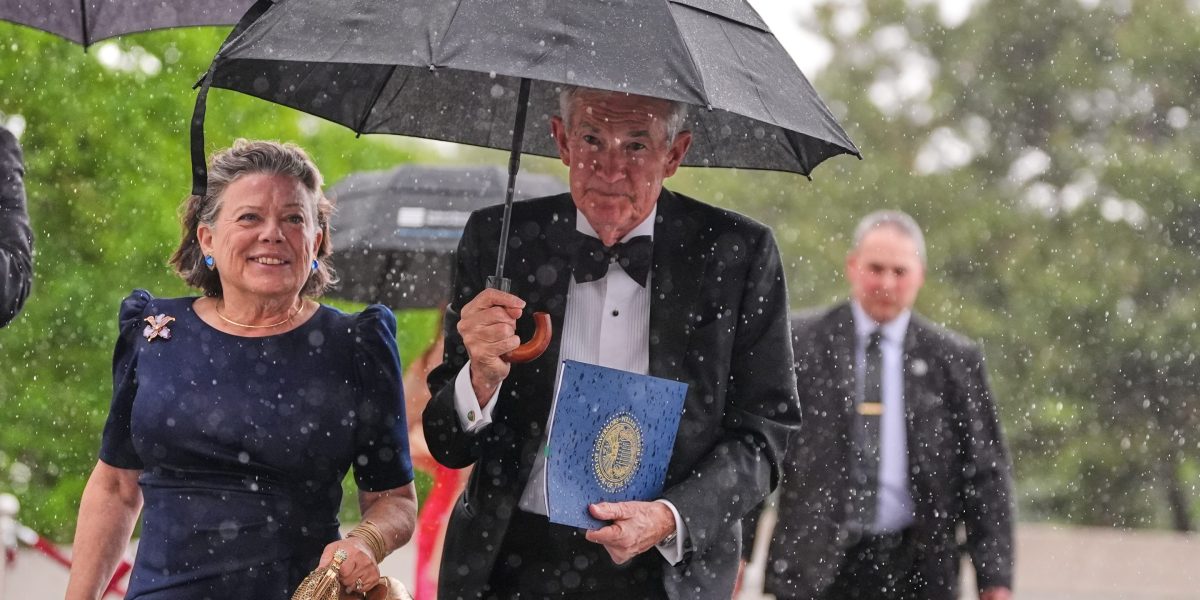
Jerome Powell Receives 2026 JFK Profile in Courage Award for Defending Fed Independence
Former Federal Reserve Chair Jerome Powell was honored May 31 in Boston for defending the central bank’s independence. He used the occasion to warn against removing officials over policy disagreements.
 rediff.com
Iran Links U.S. Trust Issues and Lebanon Actions to Diplomatic Delays
Iran's Foreign Ministry spokesperson stated that lack of trust and shifting U.S. positions, along with Israeli actions in Lebanon, are delaying diplomatic efforts. The comments were reported by multiple financial news accounts.