world
Iran-US-Israel Ceasefire Faces Strain from Israeli Strikes in Lebanon and Ongoing Cyber Threats
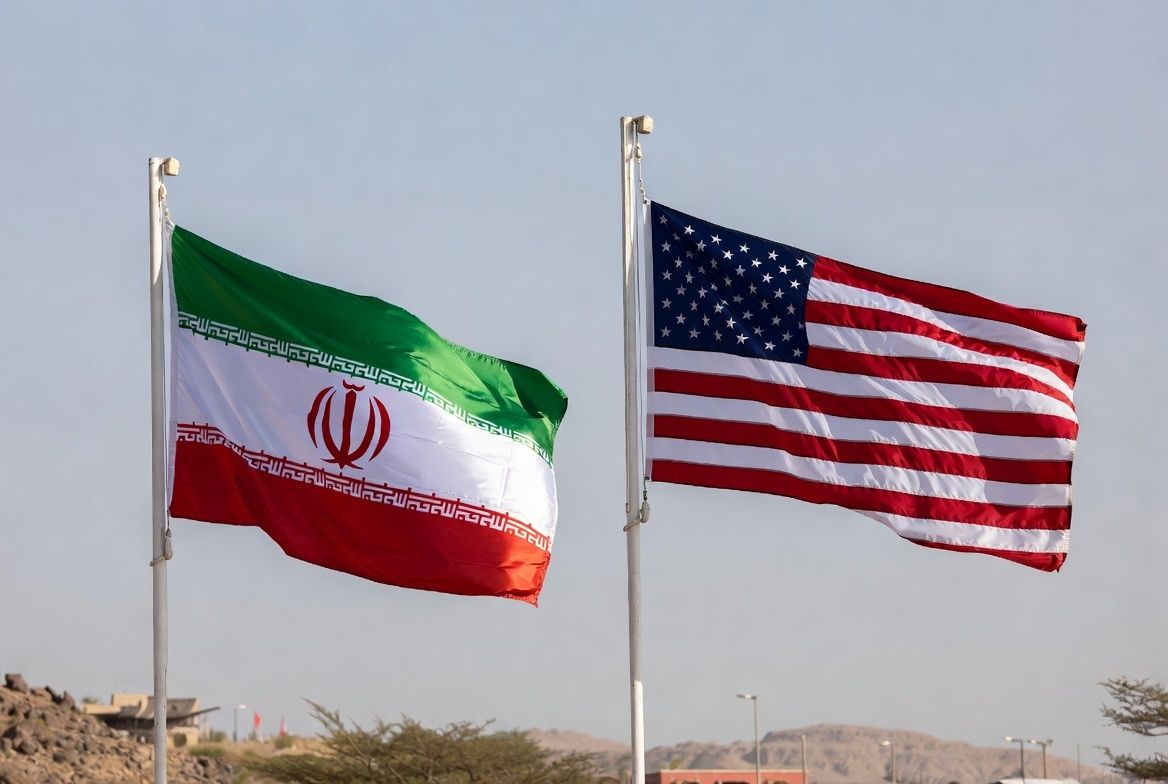
A recently announced ceasefire between Iran, the United States, and Israel is under pressure after Israeli strikes in Lebanon killed 182 people. U.S. Vice President JD Vance described the situation as a misunderstanding over the agreement's scope. Iranian-allied hackers have warned that cyberattacks will continue despite the truce.
Apr 8, 7:19 PM·2m read23 sources UNLI+11
 rte.ie
Audio version
Tap play to generate a narrated version.
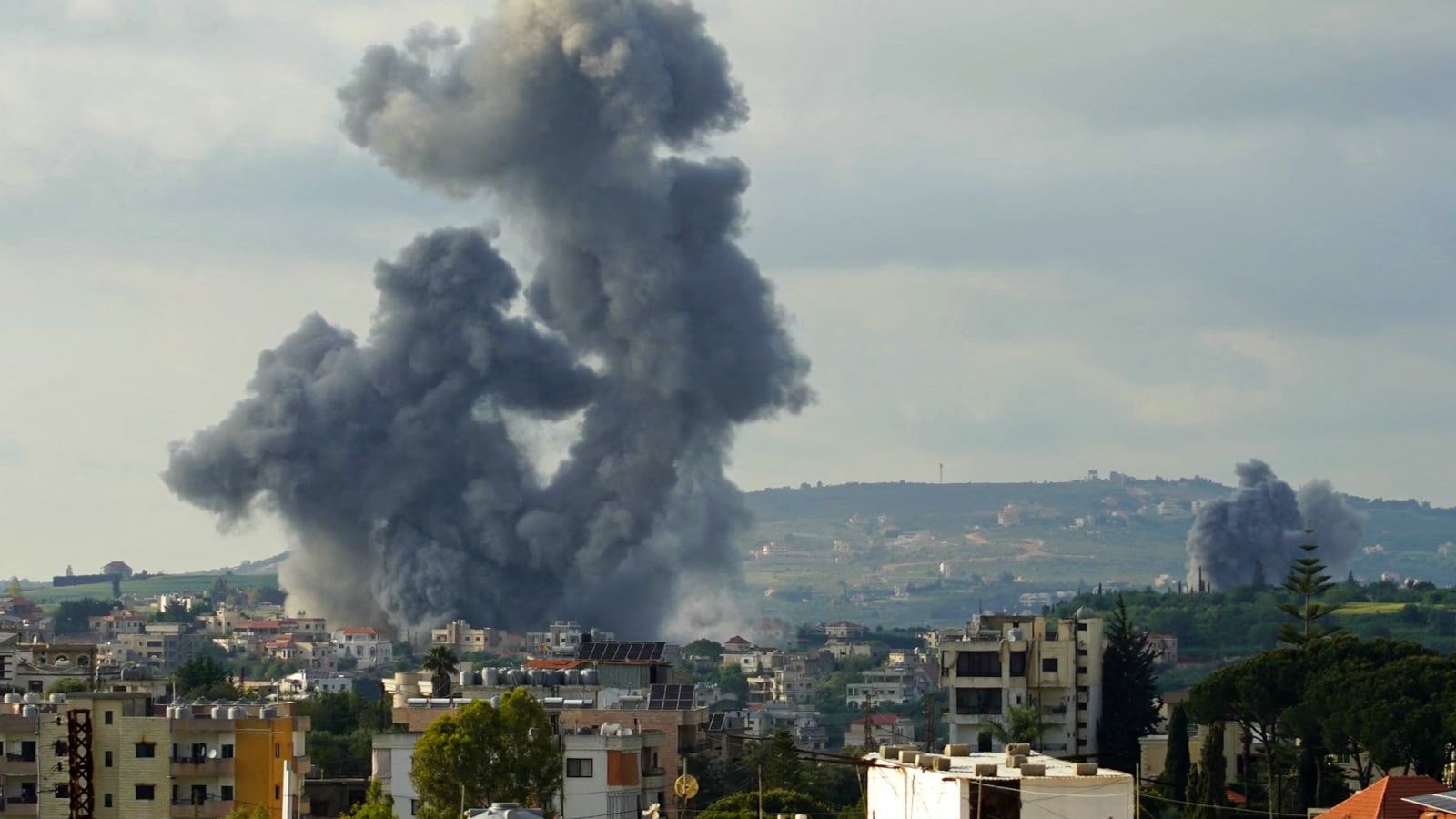
A ceasefire agreement between Iran, the United States, and Israel, announced in recent days, is experiencing significant strain. Israeli strikes on Lebanon have prompted questions about the agreement's applicability to that country. Lebanon's health ministry reported 182 deaths from the strikes on that day, marking the highest toll in the conflict to date.
U.S. Vice President JD Vance addressed the tensions, stating that Iranians believed the ceasefire covered Lebanon, but no such promise was made. Vance described the situation as a reasonable misunderstanding.
U.S. remains committed to stopping bombings, though it will require time. Spain's Prime Minister Pedro Sanchez demanded that Lebanon be included in the ceasefire. Sanchez called on the European Union to suspend its association agreement with Israel in response to the strikes.
allied with Iran, including the group Handala, have warned that the ceasefire will not halt their cyberattacks.
Previous attacks by pro-Iranian hackers include installing malware on Israeli phones, penetrating cameras for missile targeting, and targeting facilities in Israel, Saudi Arabia, and Kuwait. U.S. authorities issued a joint advisory from the FBI, National Security Agency, and Cybersecurity and Infrastructure Security Agency warning of Iranian-supported hackers infiltrating programmable logic controllers in sectors such as ports, power plants, and water facilities.
“We did not begin this war, but we will be the ones to finish it. And let it be clear: The cyber war did not begin with the military conflict, and it will not end with any military ceasefire.”