**Iran Fires Missiles at Israel; Israel Conducts Retaliatory Strikes**
The ongoing conflict between the United States and Iran has exposed limits to American military primacy, with Tehran leveraging geography and asymmetric tactics to blunt U.S. objectives. China has provided indirect support to Iran while expanding its economic and diplomatic role in the Gulf, positioning itself for greater influence as Washington faces domestic divisions and war fatigue.
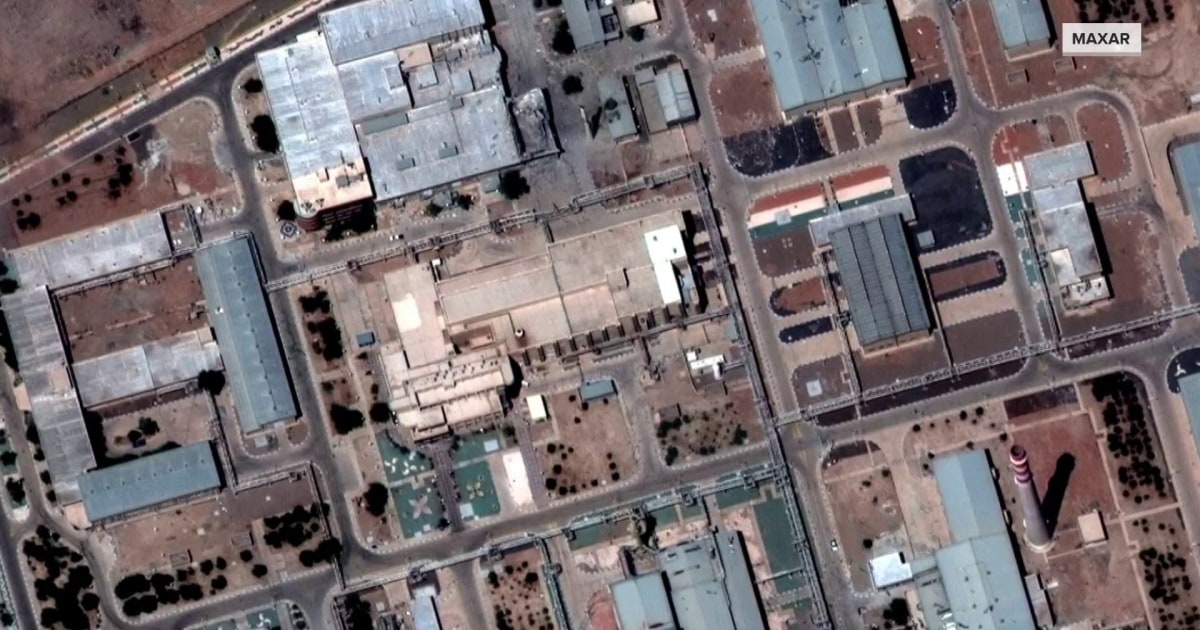
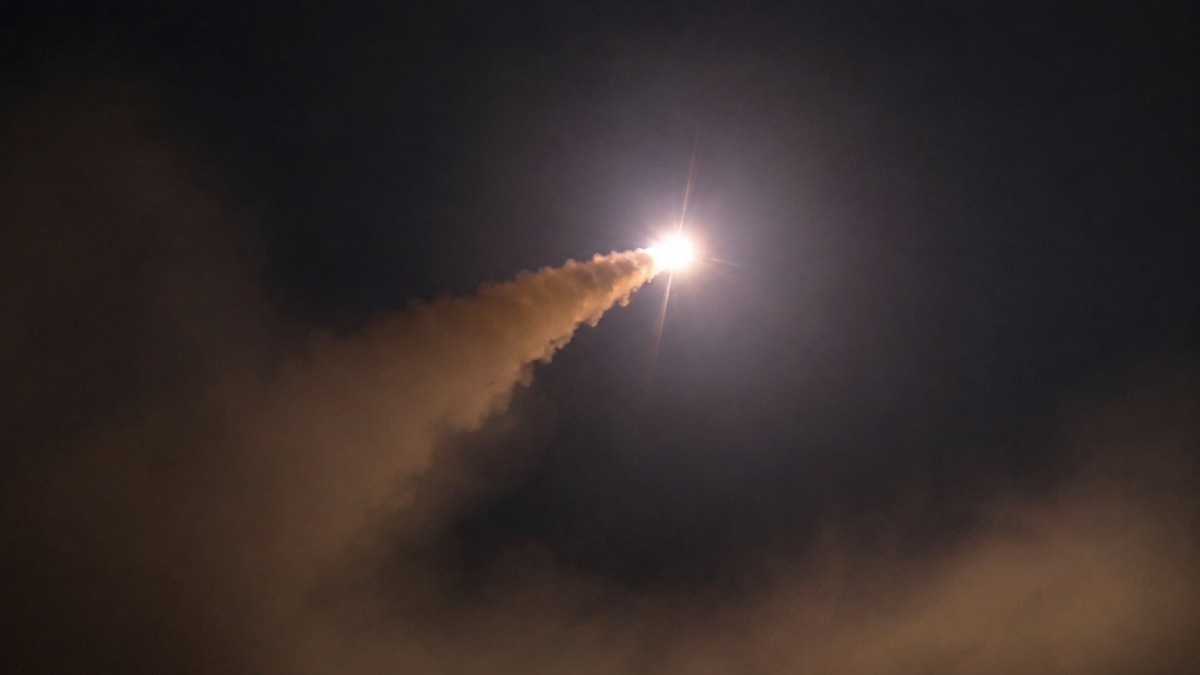
SemaforIran launched missiles directly at Israel, triggering Israeli retaliatory strikes as the United States conducted military operations in support of its ally. According to multiple assessments drawn from the same reporting bundle, U.S. actions contributed to compelling a ceasefire, with China, Iran's largest trading partner, pressing Tehran to accept the halt in hostilities.
Post by @ianbremmer on X
Gulf states continue to affirm the United States as their primary security partner. Beijing has offered only indirect support to Iran while avoiding direct confrontation.
South Korea has yet to publicly identify the type of airborne objects that struck the HMM Namu cargo vessel on May 4 while it was anchored off the United Arab Emirates. Yonhap news agency reported that Seoul possesses surveillance footage of the incident but is proceeding cautiously ahead of an upcoming summit with the United States and China.
Preliminary indicators point toward Iranian drones, yet officials have refrained from assigning blame, according to the South China Morning Post and Yonhap.
Chinese leaders view the United States as a declining but still dangerous power whose internal divisions will accelerate its relative fall, an assessment developed over decades that underpins Beijing's decision to avoid direct challenges in the current crisis.
Instead, China is focusing on self-reliance in critical technologies. Beijing's latest five-year plan emphasizes reducing vulnerability to external pressure through domestic substitution in semiconductors, software, aviation and clean energy. Chinese firms continue to expand in electric vehicles, telecommunications and artificial intelligence applications.
Gulf officials emphasize that their security relationship with Washington remains intact despite frustrations with shifting U.S. administrations. Relations with China are described as more predictable and focused on commercial ties. China is already the Gulf's largest trading partner and is increasing foreign direct investment, infrastructure financing and industrial cooperation across the region, according to Semafor.
In Iran, the United States achieved no rapid regime change. The war has produced broader disruptions including energy market turmoil. U.S. strategy has long rested on the assumption that unmatched military capabilities allow Washington to shape outcomes across regions.
Iran's approach, relying on terrain, asymmetric tools and the threat of disrupting the Strait of Hormuz, is viewed as potentially replicable by other smaller states. Neither a comprehensive deal nor renewed full-scale war appears imminent, pointing instead toward a prolonged uneasy equilibrium, according to Responsible Statecraft.
China's export-driven manufacturing surge has provoked protective barriers in the United States, European Union, India, Indonesia and Mexico. Its economic model has also produced domestic strains including slowing growth, mounting debt, deflationary pressures and a severe demographic imbalance from declining fertility and aging population.
Despite these headwinds, Chinese leaders maintain that America's internal challenges are more severe and that time favors Beijing's patient strategy.
Key Facts
Story Timeline
4 events- May 11, 2026
Semafor reports Gulf states see expanded Chinese role in investment and diplomacy after Iran war.
2 sourcesSemafor · South China Morning Post - May 4, 2026
Two airborne objects strike South Korean cargo vessel HMM Namu anchored off UAE.
3 sourcesSouth China Morning Post · Yonhap - May 12, 2026
South Korea states it has not yet identified type of airborne objects involved in vessel strike.
2 sourcesYonhap · South China Morning Post - 2026
China provides only indirect support to Iran while avoiding direct confrontation during U.S. conflict.
2 sourcesThe Atlantic · Semafor
Potential Impact
- 01
Allies of the United States will diversify partnerships rather than rely solely on American security guarantees.
- 02
Prolonged high energy prices will persist if U.S.-Iran tensions remain in uneasy equilibrium.
- 03
China will accelerate domestic technology self-reliance programs to reduce external vulnerabilities.
- 04
Protective trade barriers against Chinese exports will rise in multiple developed and emerging economies.
- 05
Gulf nations are likely to increase hedging by expanding security and economic ties with China.
Transparency Panel
Related Stories
The GuardianWHO Chief Visits DRC as Ebola Death Rate Reaches 30-50%
World Health Organization director-general Tedros Adhanom Ghebreyesus arrived in the Democratic Republic of the Congo to support containment of a new Ebola outbreak. The agency revised the death rate to 30-50% based on confirmed cases and recorded 10 confirmed and 223 suspected d…
westernjournal.comGreek National Charged in UK With Aiding Iran-Linked Intelligence Service
A 46-year-old Greek man living in Germany was charged under the UK National Security Act with assisting an intelligence service believed to be Iran by targeting a journalist at Iran International.
physicianonfire.comBilt Rewards reports $1 billion revenue target for 2026
Bilt Rewards CEO Ankur Jain said the company's flagship credit card accounts for less than 11 percent of revenue. The firm now processes more than $100 billion in annual housing spend across one in four U.S. apartment buildings.