Iran War Disrupts Gulf Energy Supplies and Accelerates Regional Economic Shifts
The ongoing U.S.-Israeli war against Iran has caused major disruptions to global oil and LNG supplies through the Strait of Hormuz. Gulf states are adapting by diversifying their economies and energy roles. This conflict highlights evolving partnerships in the global energy sector.
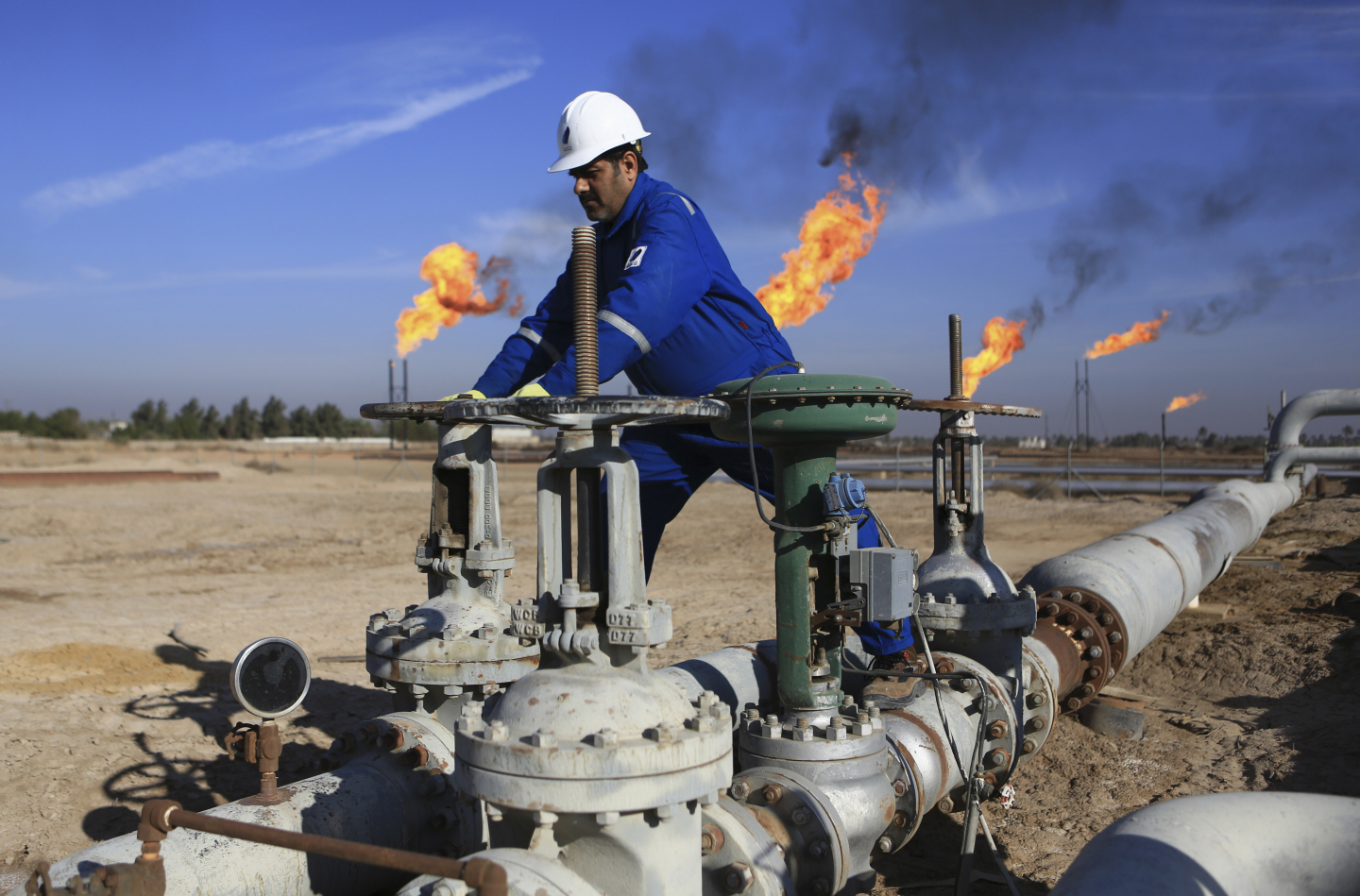
realclearmarkets.comThe U.S.-Israeli war against Iran has led to significant disruptions in global oil and liquefied natural gas supplies. Before the conflict, about 20 percent of the world's oil supply and 20 percent of liquefied natural gas exports passed through the Strait of Hormuz.
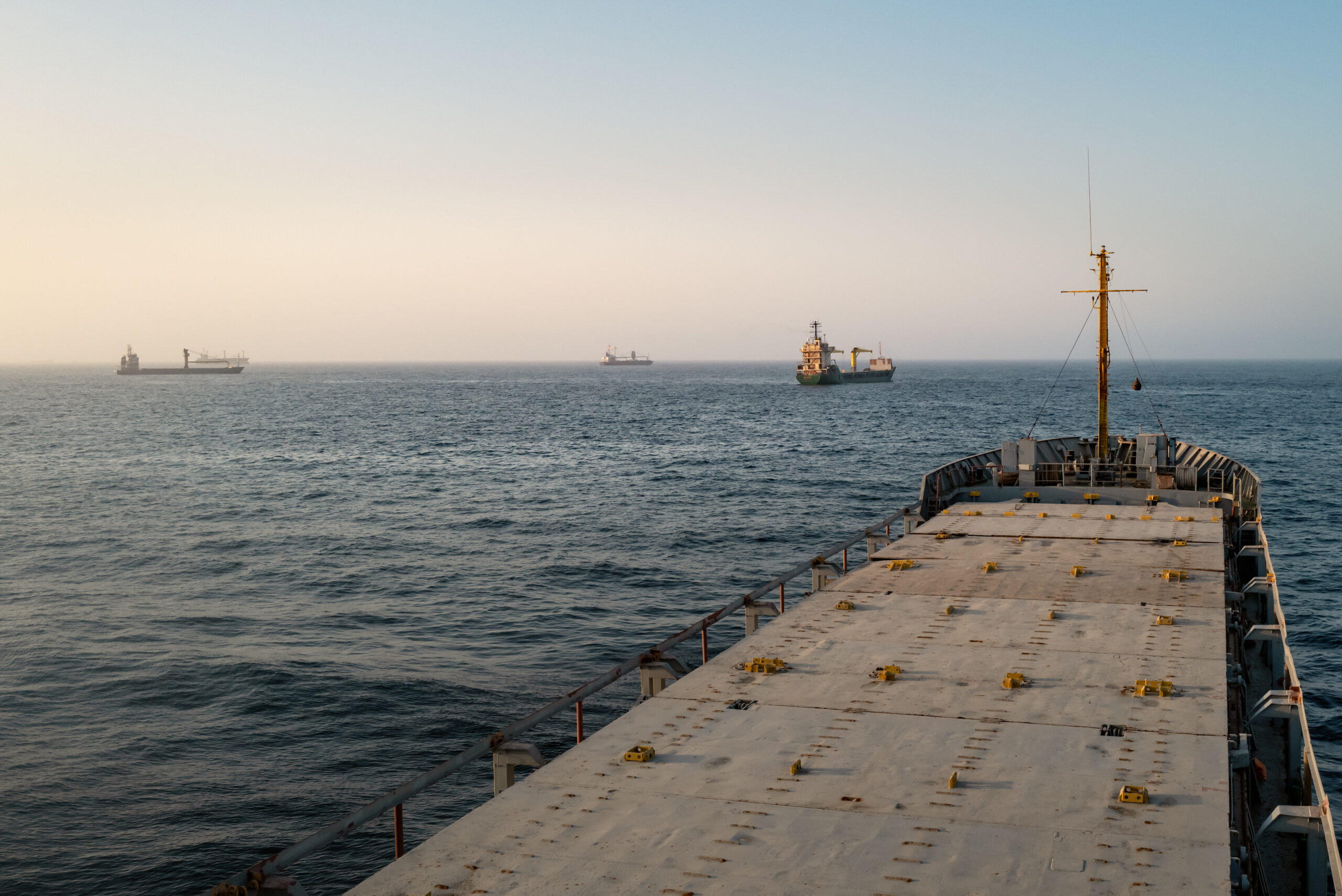
Over the past month, traffic through the strait has dropped to an average of five percent of normal flows, according to a report in Foreign Affairs. Saudi Arabia and the United Arab Emirates have attempted to reroute crude oil shipments via alternative pipelines, but these routes cannot fully compensate for the lost volume and remain vulnerable.
An Iranian attack on March 18 damaged Ras Laffan, Qatar's main LNG export facility, which could reduce its capacity for years. The CEO of Kuwait Petroleum has pointed out that the disruptions create a domino effect: even if a cease-fire were accomplished tomorrow, reinstating insurance for tankers at acceptable rates could take months.
Crude oil needs to be released from storage to allow pumps to restart before jet fuel and diesel refineries can begin operating again and jump-start the production of key petrochemicals.
The disruptions create a chain reaction, requiring the release of stored crude oil to restart pumps, refineries, and petrochemical production. Historical examples include the Houthi attacks on Red Sea shipping in late 2023, where transit remains 60 percent below pre-2023 levels despite a cease-fire.
It took TotalEnergies four years to restart construction on its Mozambique LNG project after a major jihadist assault near the site in 2021. The war is prompting Gulf states to accelerate economic diversification and expand their roles in global energy supply chains.
These countries have been investing in refining, storage, production, and renewable energy projects worldwide. Saudi Arabia has transformed its domestic electricity generation to save oil for exporting, and Riyadh and Abu Dhabi are building some of the world's largest solar projects.
countries has grown steadily, including in the petrochemical sector but also in tourism, hospitality, mining, AI, and financial services. Since around 2014, Gulf oil exporters, particularly Saudi Arabia, have focused on deploying energy revenues domestically and borrowing to build new industries.
State-owned investment vehicles have become more active, seeking stronger returns and partnerships rather than passive investments in U.S. assets. Gulf states are also investing in natural gas production at home and abroad. Qatar’s prescient investment in U.S. LNG production on the Gulf coast is, by 2027, expected to nearly equal the Ras Laffan facility’s recent loss in production.
Saudi Arabia and the United Arab Emirates have created state-owned renewable power companies.
President Donald Trump has indicated that if the United States ends its direct conflict with Iran, it would protect Gulf Arab states from afar. He has also called on Saudi Arabia to use its spare capacity to meet U.S. and global oil needs and encouraged Gulf states to invest in U.S. energy.
However, Gulf oil producers are moving away from relying solely on oil-for-security arrangements. The region is seeking partners, including China, that view energy in terms of diverse products and technologies. By 2050, emerging economies are expected to see a 25 percent increase in energy use due to growing electricity needs and AI data centers.
Gulf states aim to play a larger role in meeting this demand through investments in various energy forms. The conflict is reshaping Gulf states' engagements with Iran, Israel, and the United States, as well as their internal relations. They are focusing on becoming sophisticated players across the energy value chain to navigate the global energy transition.
Key Facts
Story Timeline
6 events- 2026-03-18
An Iranian attack damaged Ras Laffan, Qatar’s main liquefied natural gas export facility.
1 source@ForeignAffairs - 2026-03
An oil tanker was anchored in Muscat, Oman.
1 source@ForeignAffairs - 2025-11
Washington committed to cooperating with Riyadh on civilian nuclear projects.
1 source@ForeignAffairs - 2025
China added more than 430 gigawatts of new wind and solar capacity.
1 source@ForeignAffairs - 2023-11
The Houthi rebel group in Yemen launched attacks on shipping in the Red Sea.
1 source@ForeignAffairs - 2019
The state-owned Silk Road Fund acquired a 49 percent stake in the Riyadh-based Acwa.
1 source@ForeignAffairs
Potential Impact
- 01
Acceleration of Gulf states' diversification into renewables and non-oil sectors
- 02
Prolonged reductions in global LNG supply due to damage at Ras Laffan
- 03
Increased strategic energy partnerships between Gulf states and China
- 04
Delays in reinstating tanker insurance and restarting refineries post-ceasefire
- 05
GDP shrinks of 3-5% for Saudi Arabia and UAE in 2026 if conflict persists
Transparency Panel
Related Stories
The GuardianWHO Chief Visits DRC as Ebola Death Rate Reaches 30-50%
World Health Organization director-general Tedros Adhanom Ghebreyesus arrived in the Democratic Republic of the Congo to support containment of a new Ebola outbreak. The agency revised the death rate to 30-50% based on confirmed cases and recorded 10 confirmed and 223 suspected d…
westernjournal.comGreek National Charged in UK With Aiding Iran-Linked Intelligence Service
A 46-year-old Greek man living in Germany was charged under the UK National Security Act with assisting an intelligence service believed to be Iran by targeting a journalist at Iran International.
physicianonfire.comBilt Rewards reports $1 billion revenue target for 2026
Bilt Rewards CEO Ankur Jain said the company's flagship credit card accounts for less than 11 percent of revenue. The firm now processes more than $100 billion in annual housing spend across one in four U.S. apartment buildings.