Unbiased AI-powered news
Iran's Revolutionary Guard Navy threatened a heavy response if its oil tankers or commercial vessels are attacked, one day after U.S. forces struck two Iranian tankers. In Lebanon, Israeli strikes killed at least 39 people in a single day, further straining a ceasefire in place since mid-April.
Iran’s Revolutionary Guard Navy warned that any attack on its oil tankers or commercial vessels would trigger a heavy assault on an American base in the region and enemy ships. The warning came a day after U.S. forces struck two Iranian tankers that the Pentagon said were attempting to breach its blockade of Iran’s ports.
Iranian state television reported the threat on Saturday, casting doubt on the month-old ceasefire that Washington insists remains in effect. The U.S. Central Command said its forces had turned back 58 commercial ships and disabled four since the blockade began on April 13.
Iran has largely blocked the Strait of Hormuz to global energy shipments since late February, driving up fuel prices worldwide. Britain announced it is deploying the warship HMS Dragon to the Middle East to preposition for a potential UK- and French-led mission to protect commercial shipping once a sustainable ceasefire takes hold.
In Lebanon, Israeli strikes killed 39 people on Saturday according to the country’s health ministry. One strike on the southern town of Saksakiyeh killed at least seven, including a child, and wounded 15 others including three children. The Israel Defense Forces stated it targeted Hezbollah operatives operating from a structure used for military purposes and had taken steps to reduce civilian harm.
The Lebanese health ministry also reported an Israeli drone strike on a motorbike in Nabatieh that first hit a Syrian national and his 12-year-old daughter, then struck the girl directly in a third attack while she sought safety. Hezbollah responded by launching a drone into northern Israel that wounded three Israeli soldiers, one seriously.
Israeli and Hezbollah forces have traded fire almost daily since then. Lebanese health authorities say more than 120 people have been killed across the country in the past week and a total of 2,795 since March 2, when Hezbollah began firing rockets into Israel two days after the U.S. and Israel struck Iran.

Talks between Israel and Lebanon are scheduled to take place in Washington this week. Lebanese officials want an immediate end to the bombing, Israeli withdrawal from southern Lebanon, reconstruction aid and prisoner releases. The sticking point remains Hezbollah, which the Lebanese government has outlawed but lacks the capacity to fully disarm.
Navy’s Fifth Fleet headquarters, said it arrested 41 people it accused of links to Iran’s Revolutionary Guard. The interior ministry stated the group collected funds to send to Iran to support terrorist operations. Iran responded by warning Bahrain that siding with the U.S. would bring severe consequences and that the Strait of Hormuz must not be closed.
Iran has yet to respond formally to the latest U.S. proposal aimed at reopening the Strait of Hormuz, rolling back Tehran’s nuclear program and ending the war. Iranian Foreign Ministry spokesperson Esmail Baghaei said the country was not paying attention to deadlines.
Pakistani Prime Minister Shehbaz Sharif said his government has been in contact with both Washington and Tehran day and night to extend the ceasefire. Russian President Vladimir Putin stated that Moscow’s proposal to take enriched uranium from Iran remains on the table.
Egyptian and Qatari diplomats reiterated that diplomacy remains the only path forward. The war began on February 28 when the U.S. and Israel struck Iran, killing its then-supreme leader Ayatollah Ali Khamenei. Iran’s new Supreme Leader Mojtaba Khamenei has not been seen publicly since the conflict started.
A top Iranian official said on Friday that he is in complete health, had recovered from knee and back injuries suffered in the opening attacks, and would appear in public eventually.
“Diplomacy continues day and night.”
Hamas separately reported that the 32-year-old son of its chief negotiator Khalil al-Hayya was killed in an Israeli strike on Gaza City on Thursday. The Israeli military has not commented on that incident. Israeli strikes also continued in Gaza despite the broader regional ceasefire framework.
These outlets didn't split into competing frames — coverage was uniform.
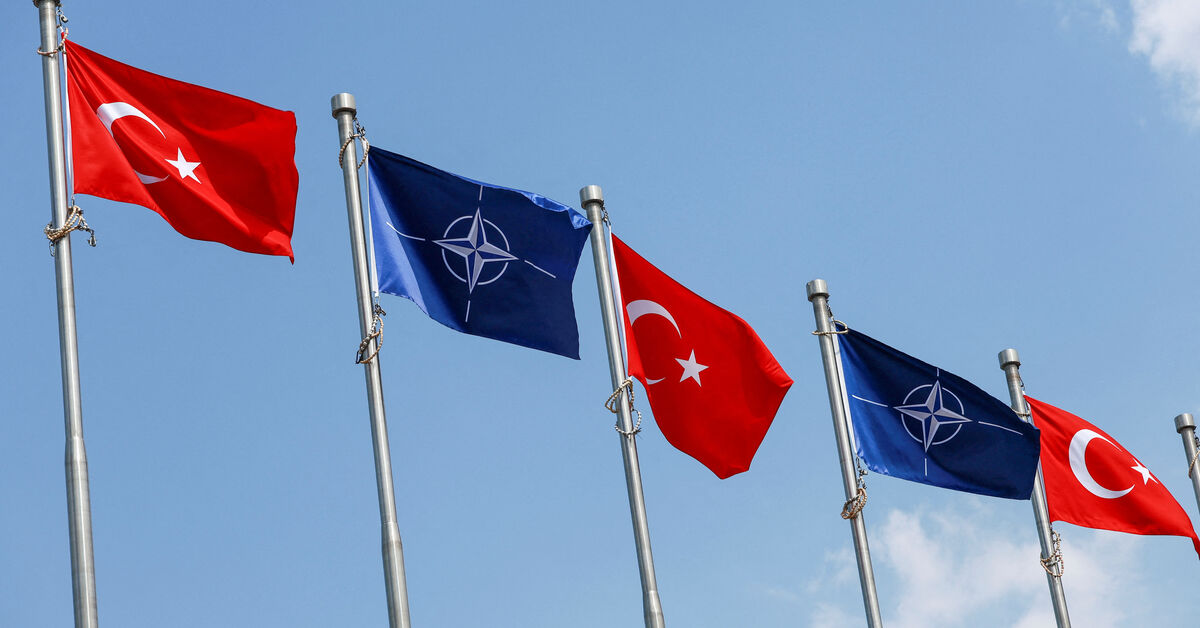
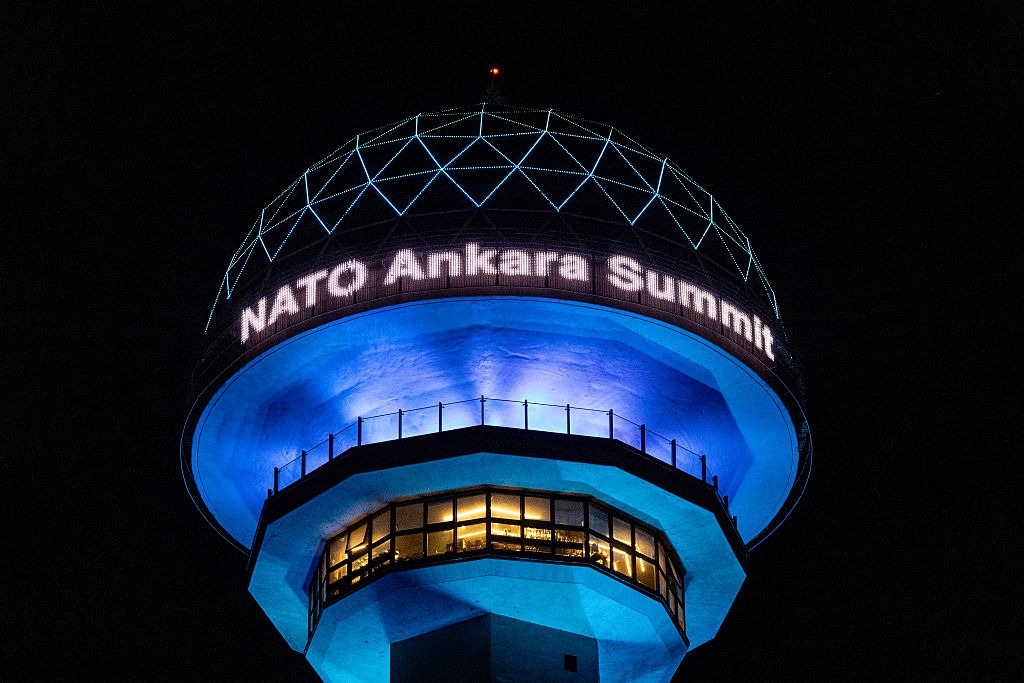
csmonitor.comNATO Secretary-General Mark Rutte warned in May that the Port of Rotterdam is a potential prime target. The alliance's annual summit begins July 7 in Turkey with resilience on the agenda.
Thirty-two NATO leaders are scheduled to meet in Türkiye’s capital this week. The gathering marks the alliance’s annual summit hosted by the Turkish government.
gatestoneinstitute.orgTurkish authorities arrested more than 200 people last month in Ankara and detained others in the days before a NATO summit. The detentions followed a demonstration ban and targeted suspected links to designated groups. Two journalists, a lawyer, and a stand-up comedian were also…