business
Iranian Drones Target Kuwait Oil Facilities Ahead of Trump Ultimatum on Iranian Infrastructure
Iranian drones struck the headquarters of Kuwait's state-owned oil company KPC and the country's oil ministry in Kuwait City, setting both facilities on fire. The attacks occurred hours before a reported ultimatum from U.S. President Donald Trump regarding potential strikes on Iranian infrastructure.
Apr 5, 2:55 AM·1m read1 source
JA
 israelnationalnews.com
Audio version
Tap play to generate a narrated version.
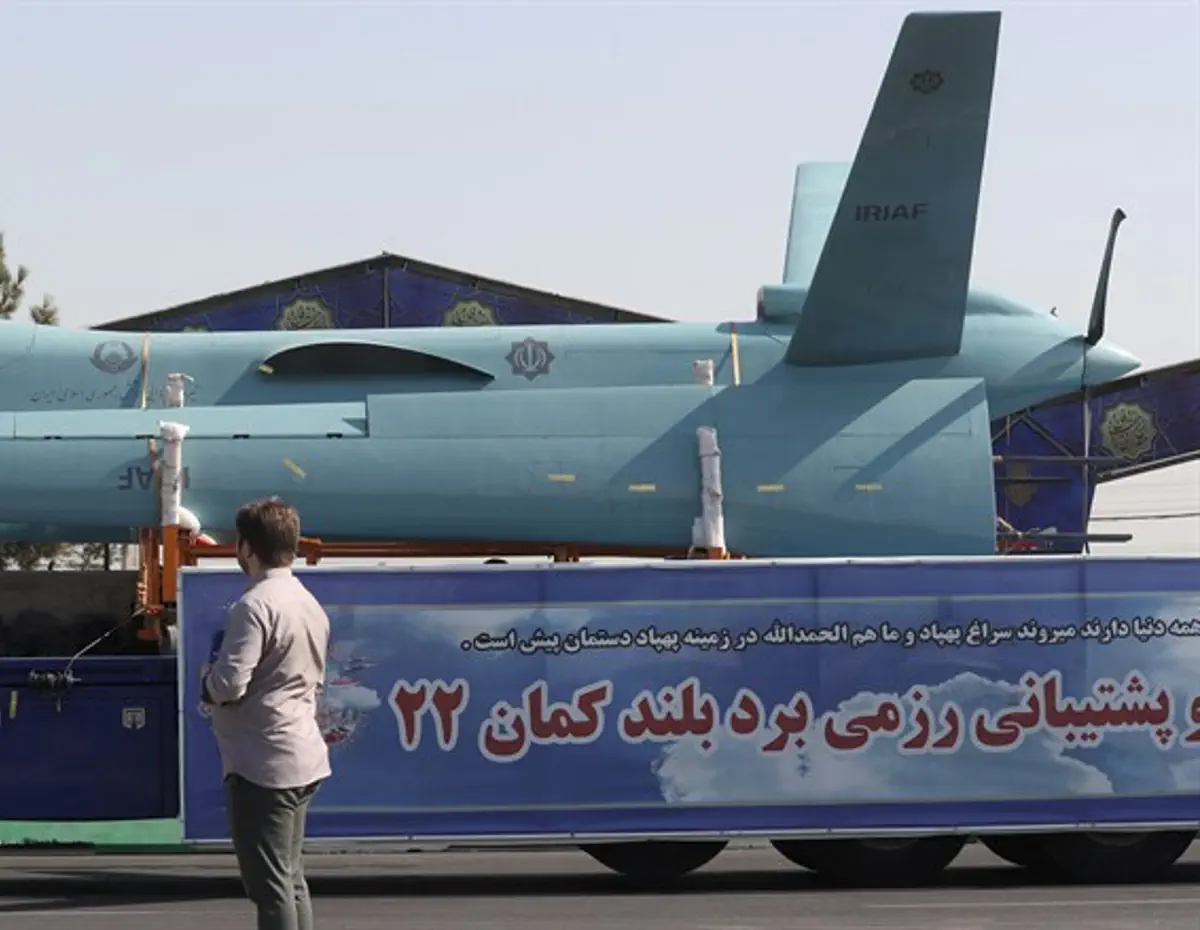
Kuwait City, Kuwait — Iranian drones attacked the headquarters of the Kuwait Petroleum Corporation (KPC), the state-owned oil company, and Kuwait's oil ministry in Kuwait City on [date not specified in source]. The strikes set both buildings on fire, according to reports from energy analyst Javier Blas.
The incidents took place hours before a reported ultimatum from U.S. President Donald Trump warning against attacks on Iranian infrastructure.
The attacks damaged key facilities central to Kuwait's oil operations, which account for a significant portion of the country's economy. KPC manages Kuwait's vast oil reserves and exports, producing around 2.7 million barrels per day as of recent data. The oil ministry oversees policy and regulation for the sector, making these targets symbolically and strategically important.
No casualties were reported in the immediate aftermath, but emergency services responded to extinguish the fires. Kuwaiti authorities have not publicly confirmed the involvement of Iranian drones, though Blas reported the strikes as originating from Iran. The timing aligns with escalating tensions in the Gulf region amid U.S.-Iran disputes over nuclear activities and sanctions.
Trump's ultimatum, as referenced by Blas, urged restraint against Iranian energy assets, potentially in response to prior incidents involving U.S. allies. This comes amid broader U.S. policy shifts following the 2018 withdrawal from the Iran nuclear deal. Affected parties include Kuwaiti workers, regional oil markets, and international energy firms reliant on stable Gulf supplies.
The strikes could disrupt Kuwait's oil production and exports, impacting global energy prices already volatile due to Middle East conflicts. Neighboring countries like Saudi Arabia and the UAE may heighten security measures to protect their infrastructure. International observers, including the United Nations, are monitoring for potential escalation.