world
Iranian Foreign Minister Meets Putin; US-Iran Talks Stall, Oil Prices Rise
Iranian Foreign Minister Abbas Araghchi met with Russian President Vladimir Putin to discuss strengthening ties, as Iran blames the U.S. for failed peace talks in Pakistan. President Trump canceled a U.S. envoys' trip, citing insufficient Iranian offers. Oil prices climbed, with West Texas Intermediate at $96.50 per barrel and Brent at $107.75, amid the ongoing Strait of Hormuz blockade.
LI
SE
MA
MO
FR
+1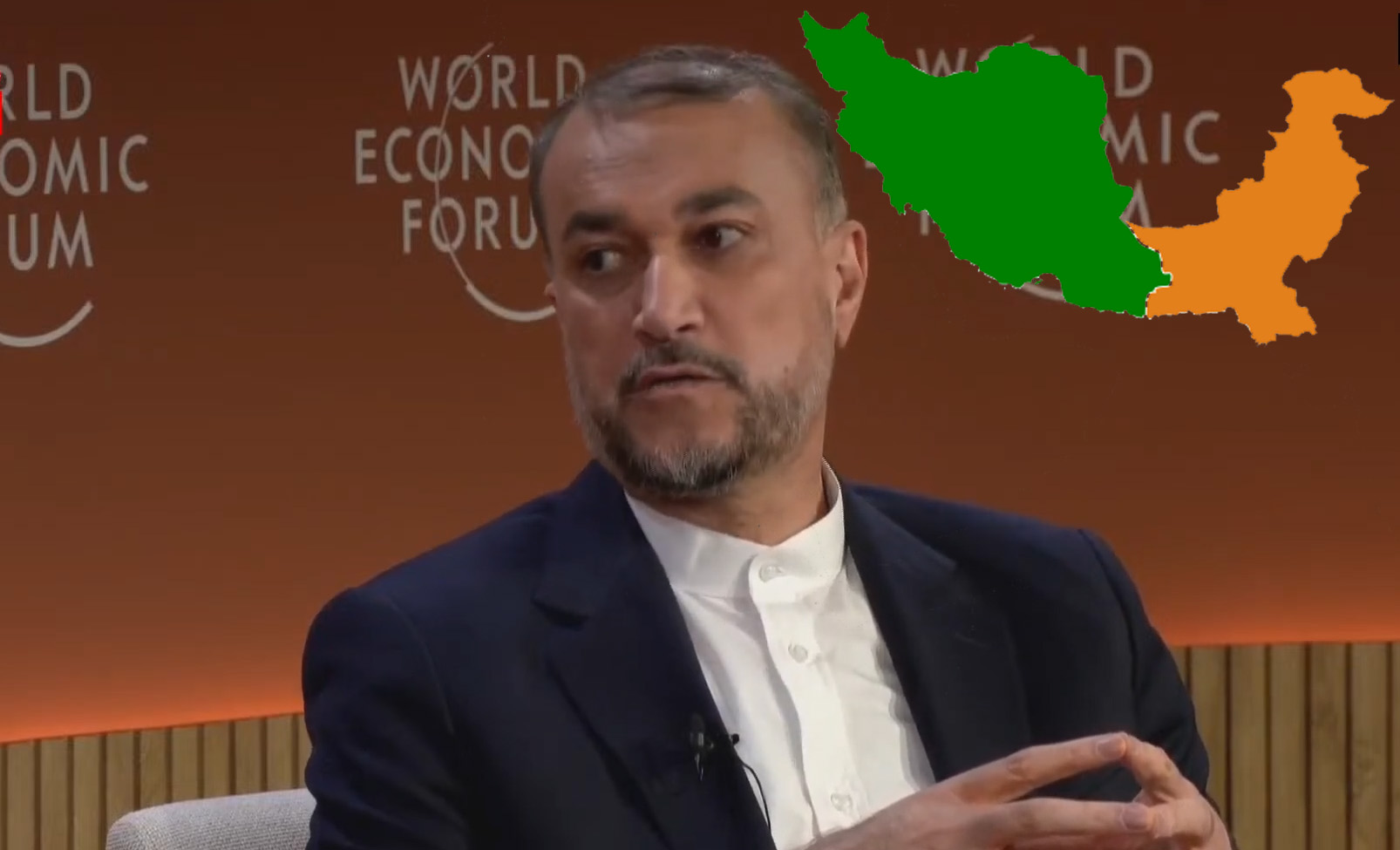 opindia.com
Audio version
Tap play to generate a narrated version.
Iranian Foreign Minister Abbas Araghchi met with Russian President Vladimir Putin in St. Petersburg on Monday to discuss increasing coordination between the two countries. The meeting focused on their strategic partnership, including mutual supplies of drones and intelligence.
Multiple sources confirmed the talks occurred amid ongoing tensions in the US-Iran war. Araghchi stated that Iran and Russia would continue to strengthen their relationship. He described it as a strategic partnership during the visit.
Araghchi blamed the United States for the failure of peace talks in Pakistan. He said U.S. approaches and excessive demands caused the negotiations to fail despite progress, according to Iranian state media. This came after his arrival in Russia following stops in Pakistan and Oman.
President Trump canceled a planned trip by U.S. envoys Steve Witkoff and Jared Kushner to Islamabad. Trump told Fox News that any talks could occur over the phone, emphasizing that Iran must not have nuclear weapons. He described the Strait of Hormuz blockade as unbelievably effective.
“If they want to talk, they can come to us, or they can call us. West Texas Intermediate reached $96.50 per barrel, up 2% from Friday and 44% higher than before the war. Brent crude traded at $107.75 per barrel, up 3% from Friday and 48% since the conflict began. He noted that about 20% of the world's oil typically flows through the Strait of Hormuz, now effectively closed. Wirth added that even if the strait reopened today, resuming normal functioning would take time. He emphasized the need to restore flow to rebuild inventories and alleviate pressure.”
“What's really needed is for flow to resume through the Strait of Hormuz. Discussions covered ceasefire efforts and reopening the Strait of Hormuz. U.S. Secretary of State Marco Rubio discussed the war with UAE Foreign Minister Abdullah bin Zayed, focusing on growing strategic relations and Trump's peace efforts. In related conflicts, Lebanon's health ministry reported 2,509 deaths and 7,755 wounded in the Israel-Hezbollah war since March 2. A 10-day ceasefire, extended by three weeks, faced accusations of violations from both sides. Hezbollah claimed attacks in response to Israeli violations. British Ambassador to the U.S. Christian Turner stated that the U.K. shares the same intent as the U.S. to constrain the Iranian regime. He highlighted plans for a coalition to secure navigation in the strait once reopened. Graham applauded the blockade's concept and execution on social media.”


