Iranian Military Leadership Holds Power in US Cease-Fire Talks
Internal divisions in Iran between military and political factions are complicating mediation efforts with the United States to finalize a cease-fire agreement. The Islamic Revolutionary Guard Corps has gained influence during the conflict and holds ultimate decision-making authority on any deal.
New York PostInternal divisions within Iran are complicating mediation efforts with the United States over a cease-fire agreement, according to sources familiar with the talks. Political leaders including the president, foreign minister and parliamentary speaker have led negotiations, but military leadership holds the authority to accept or reject any final terms.
One source said the Islamic Revolutionary Guard Corps faction is currently at its highest point ever in its history. The IRGC's influence increases during periods of conflict, creating incentives for some elements in Tehran to prolong the fighting rather than reach a settlement.
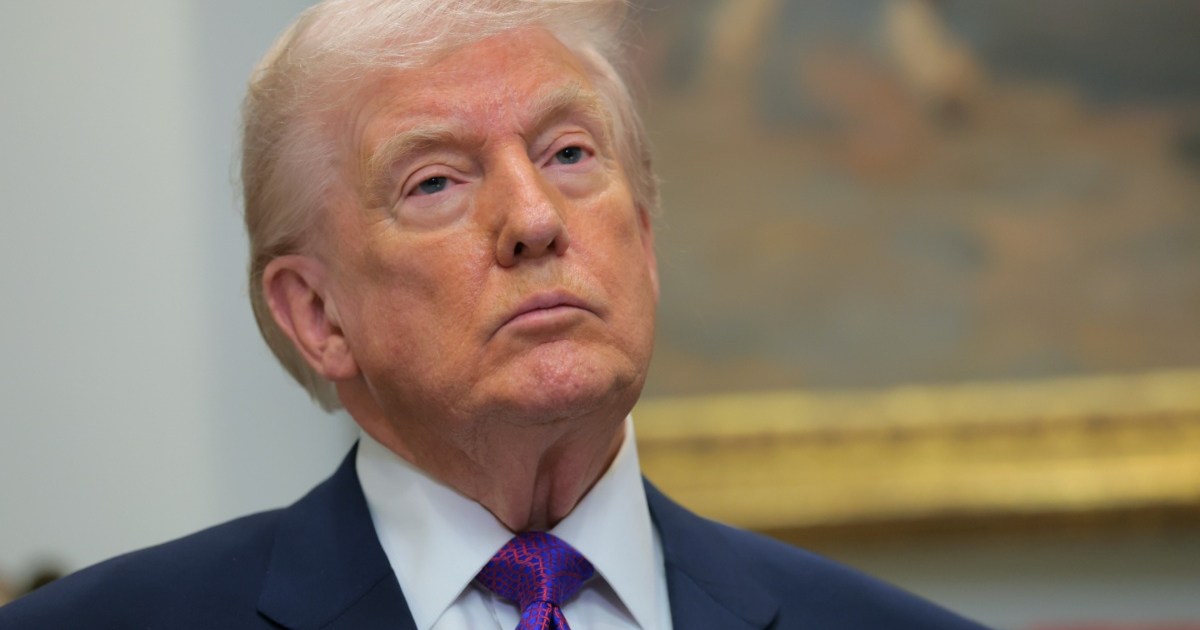
This dynamic has contributed to Iran conducting attacks that test US responses without fully ending the cease-fire. President Trump has declined to specify what level of attack would trigger a return to full-scale war, stating this week that observers would find out when the threshold is crossed.
Tensions escalated on Friday when US forces conducted airstrikes on three Iranian-linked tankers attempting to breach a blockade of Iranian ports. A Navy F/A-18 Super Hornet disabled two vessels, the Iranian-flagged M/T Sea Star III and M/T Sevda, by firing precision munitions into their smokestacks.
A third tanker was stopped when its rudder was disabled by rounds from a 20mm cannon. Video footage showed thick black smoke rising from the struck vessels. The blockade, which took effect on April 13, is enforced by approximately 15,000 US troops. US Central Command reported that American forces are currently preventing more than 70 tankers from entering or leaving Iranian ports.
Iran has conducted multiple attacks in the Strait of Hormuz area in recent days. On Monday, Iranian forces struck a Chinese-owned oil products tanker near the strait off the United Arab Emirates coast. Chinese Foreign Ministry spokesman Lin Jian acknowledged the incident on Friday and said Beijing would continue to push for peace talks and de-escalation.
"China is deeply concerned that a large number of vessels along with their crew have been caught in the conflict and stranded in the strait," Lin said. On Friday, Iranian forces seized a Barbados-flagged tanker called the Ocean Koi that was carrying Iranian oil in the Gulf of Oman.
The vessel had been sanctioned by the US. Iran's military stated the ship was stopped after an alleged attempt to harm oil exports by exploiting regional conditions.
President Trump announced on Truth Social that Project Freedom, an escort operation for vessels, would be paused temporarily to allow time for a potential agreement to be finalized. The blockade itself will continue in full force. US Central Command commander Adm.
Brad Cooper stated that American forces in the Middle East remain committed to full enforcement of the blockade. Iran has previously refused to participate in peace talks while the blockade is in place. Mediators have suggested that providing additional time without specific deadlines could improve the chances of a response from Iran.
As of Friday evening, the US was still awaiting Iran's reply to its latest offer. Sources familiar with the mediation said the IRGC maintains ultimate say over whether Iran accepts a peace agreement.
Key Facts
Story Timeline
5 events- 2026-05-09
US airstrikes disabled three Iranian-linked tankers attempting to breach blockade.
1 sourceNew York Post - 2026-05-08
Iran attacked a Chinese-owned oil tanker near the Strait of Hormuz.
1 sourceNew York Post - 2026-05-08
Iran seized the Barbados-flagged tanker Ocean Koi in the Gulf of Oman.
1 sourceNew York Post - 2026-05-08
Trump announced temporary pause of Project Freedom escort operation.
1 sourceNew York Post - 2026-04-13
US maritime blockade of Iranian ports took effect.
1 sourceNew York Post
Potential Impact
- 01
Continued blockade prevents more than 70 tankers from accessing Iranian ports.
- 02
Attacks in the Strait of Hormuz have affected vessels from China and other nations.
- 03
Pause in Project Freedom escort operations may allow additional time for cease-fire negotiations.
- 04
IRGC's elevated role could delay or alter terms of any final agreement with the US.
- 05
Seizure of the Ocean Koi tanker may disrupt oil export activities in the region.
Transparency Panel
Related Stories
Fox NewsJustice Department Files Denaturalization Cases Against 12 Naturalized Citizens for Alleged Fraud, Terrorism Ties and Criminal Concealment
The Trump administration announced a dozen new cases on May 8, 2026, targeting individuals accused of concealing ties to terrorism, war crimes, espionage and sexual abuse of minors. Acting Attorney General Todd Blanche said those who obtained citizenship through fraud should be w…
Fox NewsTrump Administration Seeks to Revoke Citizenship of 12 Naturalized Americans
The Justice Department on Friday filed denaturalization actions against a dozen foreign-born U.S. citizens accused of concealing terrorism ties, committing sex crimes, war crimes or immigration fraud. The cases mark a sharp increase in use of a rarely invoked process that prior a…
Spirit Airlines Files for Bankruptcy
The ultra-low-cost carrier launched in 1992 will cease operations in May 2026, removing a major disruptor from the U.S. market. Global airlines canceled 13,000 flights in May amid soaring fuel costs triggered by the closure of the Strait of Hormuz. Toyota reported a £3bn hit from…