finance
Iranian Revolutionary Guards State Strait of Hormuz Will Not Return to Normal for US and Israel
The Iranian Revolutionary Guards Corps (IRGC) announced that the Strait of Hormuz will never return to its previous state, especially for the United States and Israel. The IRGC Navy is preparing operations to establish a new order in the Persian Gulf. These statements were reported across multiple outlets on the same day.
Apr 5, 4:48 PM·2m read3 sources
FISP
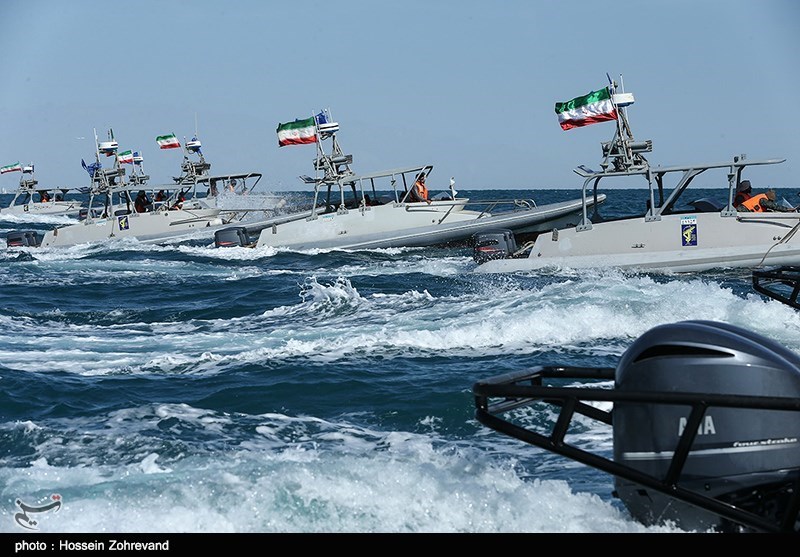 حسین ظهروند (Hossein Zohrevand) / Wikimedia (CC BY 4.0)
Audio version
Tap play to generate a narrated version.
The Iranian Revolutionary Guards Corps (IRGC) declared that the Strait of Hormuz will never return to its previous state, particularly for the United States and Israel. The IRGC Navy is preparing operations to implement a new order in the Persian Gulf. These statements were issued by IRGC officials and reported by multiple news outlets.
The Strait of Hormuz, located between Iran and Oman, serves as a critical chokepoint for global oil shipments, with approximately 20% of the world's oil passing through it daily. The IRGC's position targets U.S. and Israeli naval presence in the region, amid ongoing tensions.
FirstSquawk reported the full IRGC statement, emphasizing that normalcy will not resume for the specified countries. Spectator Index corroborated the core message in two separate updates, focusing on the preparation for a new regional order and the permanent alteration of the strait’s status.
Iran-U.S. relations have been strained since the 1979 Islamic Revolution, with the IRGC playing a central role in countering Western influence in the Gulf. Israel and Iran maintain adversarial positions, including proxy conflicts in Syria and Lebanon. The IRGC's navy conducts patrols and exercises in the Persian Gulf to assert control over these waters.
No specific timeline or details on the planned operations were provided in the statements. The announcements coincide with heightened military activities in the region, including joint U.S.-Israel drills reported earlier this month.
The IRGC's rhetoric aligns with previous threats to close the strait during escalations, such as in 2019 amid U.S. sanctions. However, no immediate actions were reported following these statements.
Disruption in the Strait of Hormuz could affect oil prices and supply chains worldwide. The U.S. maintains a naval presence through the Fifth Fleet in Bahrain to ensure freedom of navigation. Israel relies on allied support for its security interests in the Gulf.


