Substrate
politics

Iranian Visual Journalist Burns Protest Images as Act of Mourning After January Repression

Iranian-Canadian visual journalist Parisa Azadi created images from protest footage and later burned them in response to state actions in January 2026. The work uses instant camera prints to document events from the 2022 uprising in Iran. Azadi described the burning as a way to express rage, grief, and refusal without erasing the records.
The Guardian
1 source·May 5, 5:00 AM(1 day ago)·1m read
Iranian Visual Journalist Burns Protest Images as Act of Mourning After January RepressionSilar / Wikimedia (CC BY-SA 4.0)
Audio version
Tap play to generate a narrated version.
Developing·Limited corroboration so far. This page will refresh as more sources emerge.

Parisa Azadi, an Iranian-Canadian visual journalist and artist, began her project in September 2022 while in Dubai. She observed the uprising in Iran through videos shared on social media, which showed women burning hijabs, young men injured by pellets, and teenagers taken into vans.

Unable to return to Iran after six years of documenting life there, Azadi used open-source footage to create physical prints. Azadi photographed frames from these videos directly from her computer screen using a Fujifilm instax camera, which produces immediate prints.

This method aimed to convert digital images into tangible objects, building on her earlier practice in Iran of giving instant portraits to strangers as keepsakes. During the uprising, this approach adapted to address rebellion and censorship.

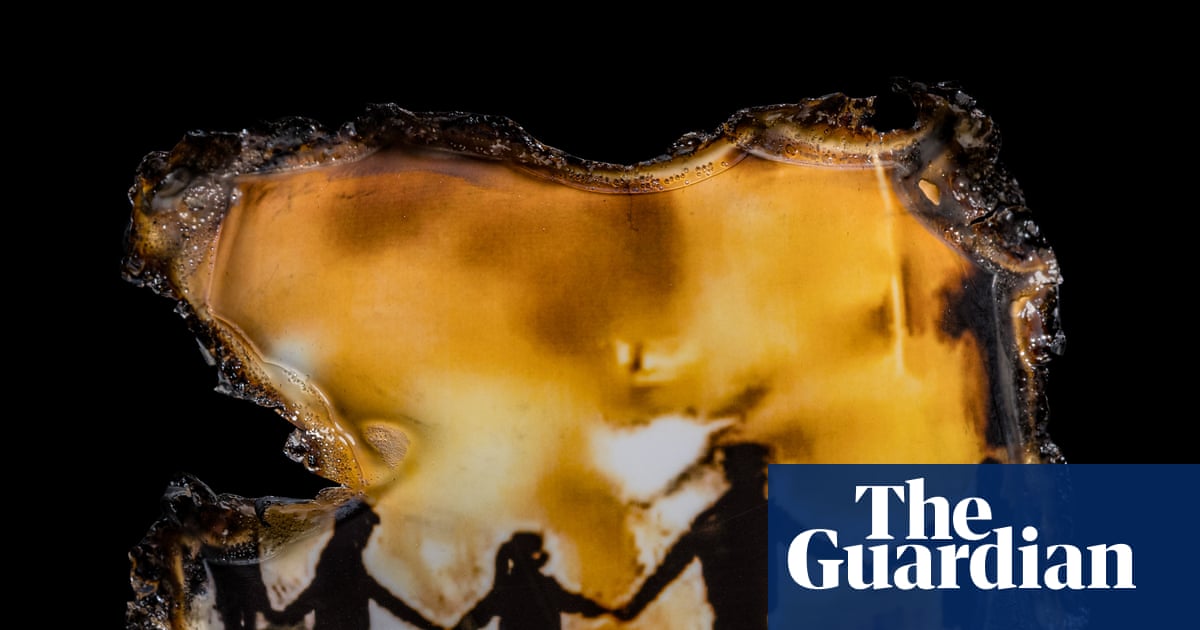
One image originates from a protest video in Tehran, depicting crowds around a street fire, holding hands and chanting against the state. The chant repurposed insults into defiance, according to Azadi. She captured the silhouette of a young woman with a ponytail against smoke and light, resulting in a grainy, pixelated print.

This style differs from Azadi's previous higher-resolution documentary work. It draws on the concept of the 'poor image' as a form of testimony, as described by German artist Hito Steyerl. The photograph is part of a series from protest fragments.

2026, following state massacres and executions in Iran, Azadi started burning the instax prints. The burning scarred the surfaces, reflecting the depicted violence. Azadi stated this act was a form of mourning to convey rage, grief, and refusal, rather than erasure.
The work connects public state violence with private witnessing. It emphasizes the body as a site of resistance and belongs to an ongoing story of resistance across generations. Azadi's practice incorporates low-tech methods to respond to demands for bodily freedom.

Key Facts

January 2026 burning
response to state massacres
Instax camera use
for creating physical prints from digital footage
September 2022 start
project began during Iran uprising
Tehran protest image
shows crowds chanting defiance

Story Timeline

2 events
  1. January 2026

    Parisa Azadi began burning instax prints of protest images as an act of mourning after state massacres and executions.

    1 sourceThe Guardian
  2. September 2022

    Azadi started isolating frames from social media protest videos and photographing them with an instax camera while in Dubai.

    1 sourceThe Guardian

Potential Impact

  1. 01

    Increased visibility of the project could highlight ongoing repression in Iran to international audiences.

  2. 02

    The work may inspire other artists to use similar methods for documenting censored events.

  3. 03

    Azadi's approach might influence discussions on low-tech archiving in journalism.

Transparency Panel

Sources cross-referenced1
Confidence score65%
Synthesized bySubstrate AI
Word count310 words
PublishedMay 5, 2026, 5:00 AM
Bias signals removed3 across 2 outlets
Signal Breakdown
Loaded 1Framing 1Editorializing 1

Related Stories

North Korea Updates Constitution, Omits Korean Unification References Amid International Trade FairUser:Langley16 / Wikimedia (CC BY-SA 4.0)
politics1 hr ago

North Korea Updates Constitution, Omits Korean Unification References Amid International Trade Fair

North Korea has revised its constitution to eliminate references to unification with South Korea. The country also opened the Pyongyang Spring International Trade Fair on Monday, showcasing domestic products like the Jindallae smartphone. More than 290 enterprises from several na…

Reuters
South China Morning Post
Japan Times
3 sources
U.S. Pauses One-Day Ship Guidance in Strait of Hormuz as Iran Talks Advancechannelnewsasia.com
politics5 hrs agoDeveloping

U.S. Pauses One-Day Ship Guidance in Strait of Hormuz as Iran Talks Advance

President Trump announced a pause in the one-day-old effort to guide ships out of the Strait of Hormuz, citing progress toward an agreement with Iran. Secretary of State Marco Rubio declared the war with Iran concluded after a month-old cease-fire. The U.S. blockade remains in pl…

The New York Times
National Review
2 sources
Trump Signs Memorandum to Revive Presidential Physical Fitness Award at White House EventOffice of White House Press Secretary / Wikimedia (Public domain)
politics3 hrs agoDeveloping

Trump Signs Memorandum to Revive Presidential Physical Fitness Award at White House Event

President Donald Trump signed a memorandum on May 5, 2026, restoring the Presidential Physical Fitness Award and reintroducing a competitive fitness test in U.S. schools. The event featured student athletes on the White House South Lawn, where Trump demonstrated his signature dan…

Fox News
ABC News
2 sources