world
Iraq and Pakistan Sign Energy Deals With Iran
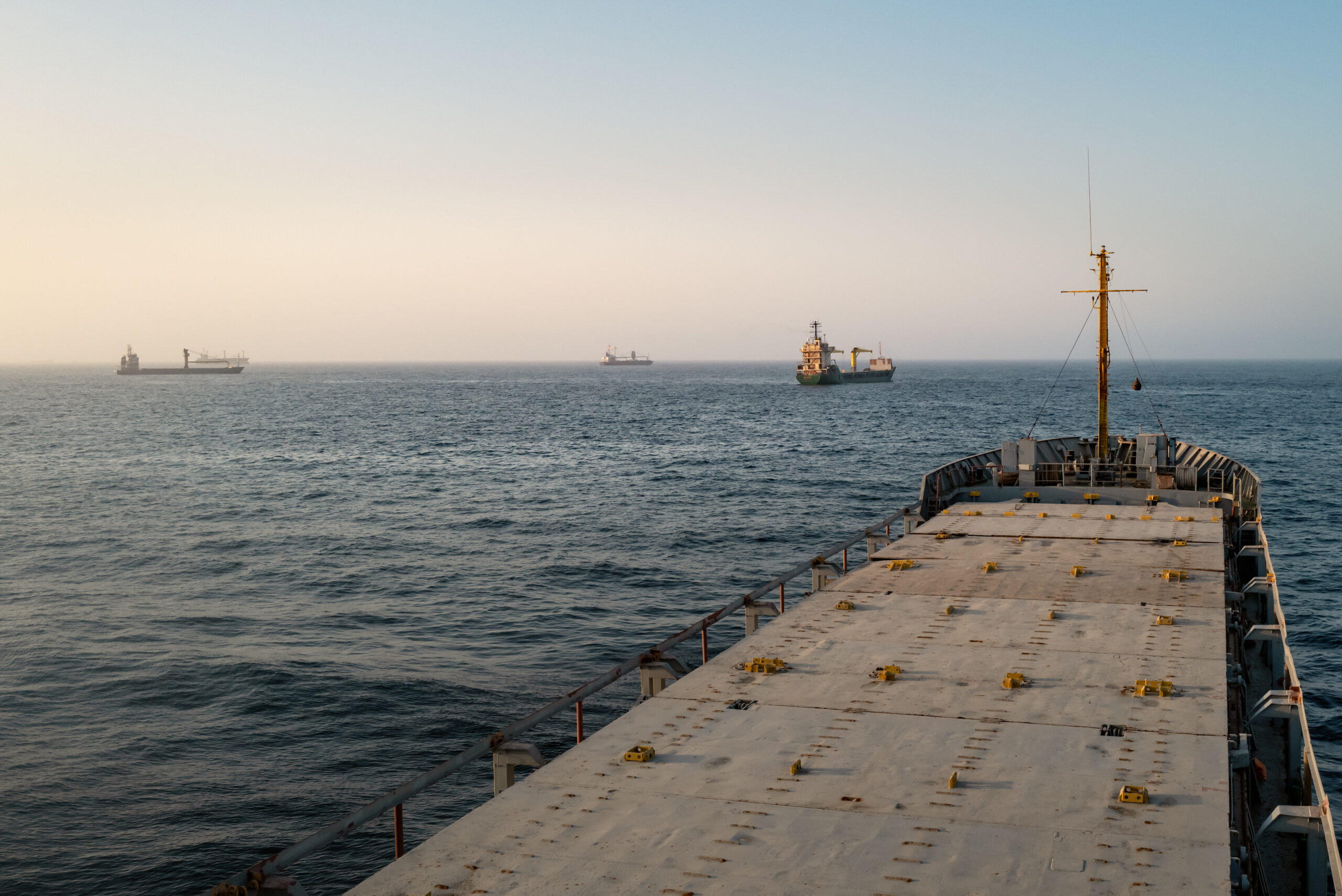
Iraq and Pakistan have signed agreements with Iran to ship oil and liquefied gas through the Strait of Hormuz amid ongoing Iranian threats to commercial shipping. The deals come as the waterway stays effectively shut to most traffic, disrupting one-fifth of global oil supplies and pushing Brent crude near $110 a barrel.
May 12, 6:38 PM·2m read9 sources
SESP +6
+6
 The Guardian
Audio version
Tap play to generate a narrated version.
Iraq and Pakistan have struck energy deals with Iran to transport oil and liquefied gas through the Strait of Hormuz even as Tehran continues to threaten commercial and naval shipping in the Arabian Gulf and Gulf of Oman. The agreements were reached as both countries faced severe energy disruptions from the recent conflict, with Iraqi exports slashed and Pakistani imports similarly affected.
Reuters reported the deals, citing people with knowledge of the matter. Iran has expanded its claimed geographical footprint for the Strait of Hormuz, according to state media. Tehran now defines the area as stretching from the port of Jask in the Gulf of Oman to the island of Siri in the Persian Gulf, roughly 200 kilometers to each side of the strait’s apex.
The waterway remains effectively closed to commercial traffic. This has disrupted approximately one-fifth of global oil supplies and driven rising energy costs worldwide. Global oil prices climbed further with Brent crude nearing $110 a barrel. The increase follows the continued standoff, during which both the U.S. and Iran rejected each other’s ceasefire proposals.
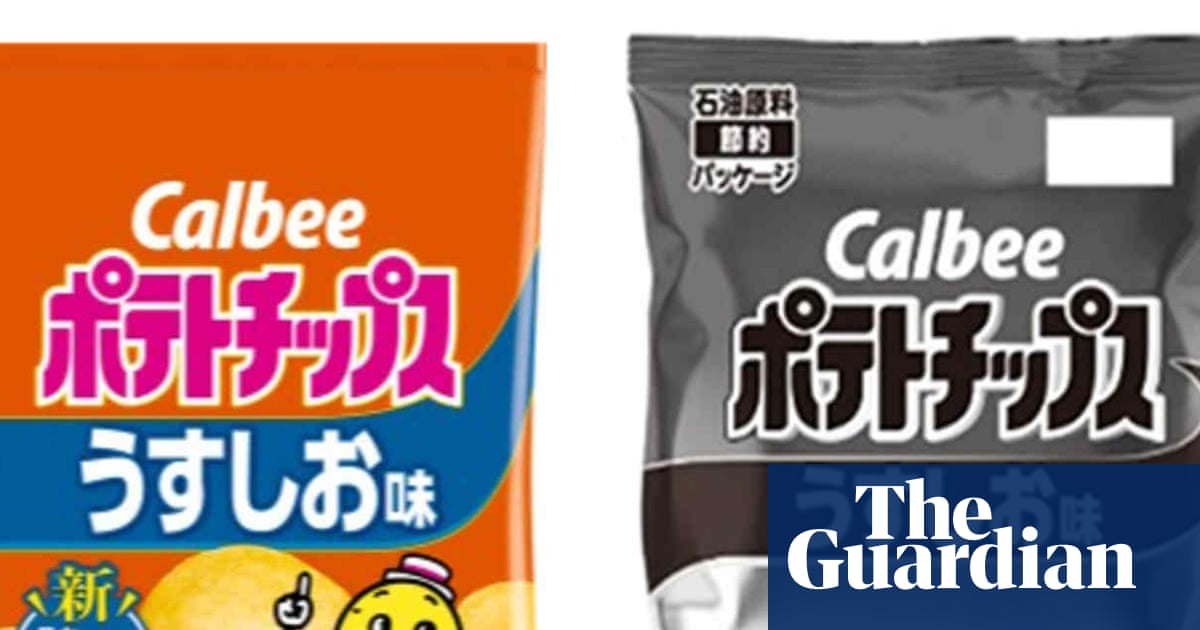
Japan gets 70 percent of its naphtha imports, a petroleum-based material used in printing inks, from the Middle East. Shortages caused by the blockade have forced Calbee, the country’s largest snack maker, to change packaging for some of its best-known products.
The company will switch 14 products, including potato chips and prawn crackers, to black-and-white bags by the end of May. Its brightly colored designs have become a signature of the brand. The Guardian reported that the ink ingredient shortages stem directly from the Strait of Hormuz blockade.
Fortune noted the same link between the Iran conflict and Calbee’s packaging change.
A multinational military mission involving more than 40 countries is working to restore safe passage. Officials have described the effort as defensive in character with the goal of reopening the strait to commercial shipping when conditions allow. One country announced it would contribute drones, jets, a warship already en route to the Middle East, autonomous mine-hunting equipment and counter-drone systems.