Substrate
world

Iraq's Historic Marshes Revive as Water Levels Rise After Drought

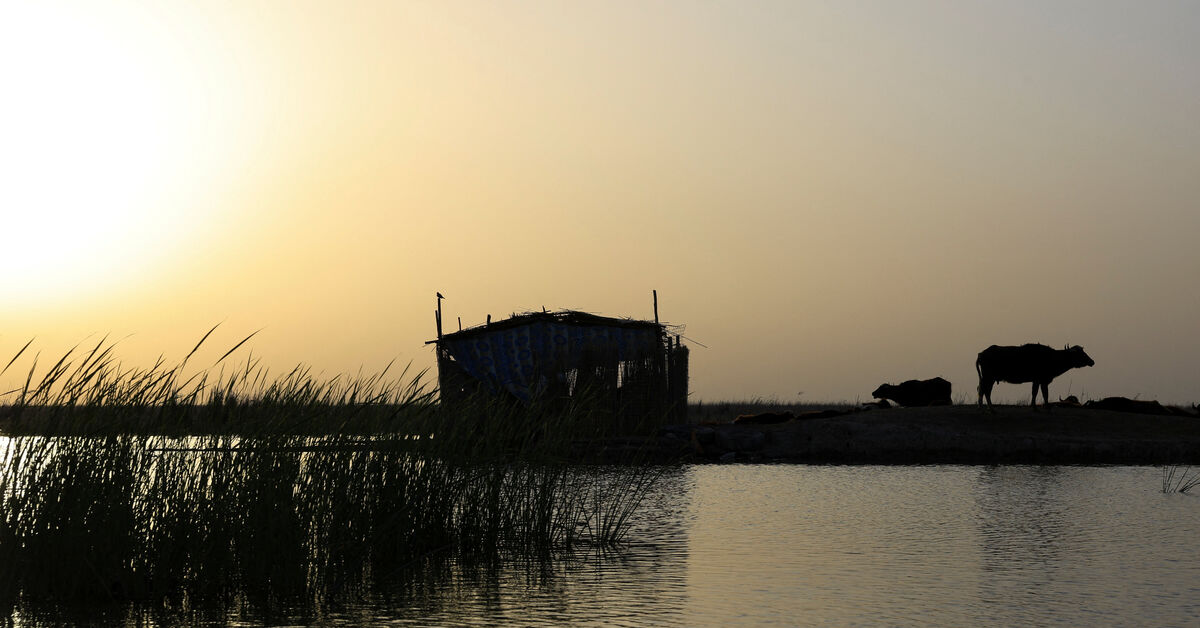
Rising water levels from heavy winter rainfall have begun restoring Iraq's southern marshes after years of drought that dried up large areas and forced residents to migrate. In the Chibayish marshes, canoes now glide through waterways, water buffalo graze on returning pasture, and some families have returned.

The Independent
Al-Monitor
2 sources·May 7, 10:36 AM(22 days ago)·2m read
|
Iraq's Historic Marshes Revive as Water Levels Rise After DroughtAl-Monitor
Audio version
Tap play to generate a narrated version.
Developing·Limited corroboration so far. This page will refresh as more sources emerge.

Rising water levels are reviving Iraq's historic marshes after years of severe drought left large areas cracked and empty, drawing buffalo herders and fishermen back to regions once abandoned. In the southern Chibayish marshes, canoes glide through waterways that had dried up in recent years while water buffalo wade through restored marshland and patches of green pasture have reappeared.

The revival follows heavy winter rainfall that boosted reservoir levels, enabling the water resources ministry to release growing volumes into the wetlands. Some time ago, all our livestock died and there was no water at all. Many of our people migrated because of the drought.

Haidar Qassem, a farmer raising water buffalo in the central marsh, described the recent return of water this year, with livestock numbers recovering and some families coming back. Residents continue to hope for further water releases to sustain the gains.

Iraqi marshland expert Jassim al-Assadi said the Ishan Hallab area, part of the marshes believed by some to be the biblical Garden of Eden and designated a UNESCO World Heritage site in 2016, had dried up completely between 2021 and 2025. In recent months wetter conditions have helped restore the area, reviving pastureland and allowing some residents to return.

Al-Assadi reported the proportion of submerged marshland has risen to between 32% and 36%, compared with no more than 8% over the past five years. Iraqi water resources officials confirmed that assessment. The higher water levels are supporting a gradual recovery in biodiversity, including fish stocks, vegetation growth and reeds that residents use to build traditional homes.

The marshes have been inhabited for thousands of years by the Marsh Arabs, whose livelihoods and traditions depend closely on the water.

Wadai, a water resources official, said larger inflows, improved water management and stronger seasonal rainfall had boosted reserves in dams and increased flows in the Tigris and Euphrates rivers, allowing more water to reach the marshes. The water resources ministry stated that Iraq's strategic reserves have increased by about 6 billion cubic metres this year.

That increase gives authorities greater flexibility to manage supplies during the summer months. The marshes once stretched across more than 3,600 square miles but were heavily drained in the 1990s in a bid to root out insurgents, prompting many residents to flee.

Since 2003 parts of the wetlands have been reflooded by the government, with around 250,000 Marsh Arabs gradually returning over the years. For residents like buffalo herder Raheem Abdul Zahra the recent improvements have transformed daily life. >The land was dry, but now it's alive again.

The return of water has already begun restoring both the ecosystem and the traditional way of life tied to these ancient wetlands.

Key Facts

32-36%
current submerged marshland proportion
6 billion cubic metres
increase in Iraq's strategic water reserves this year
Ishan Hallab
fully dried 2021-2025, now partially restored
250,000
Marsh Arabs returned since 2003 reflooding
3,600 square miles
original historic size of the marshes

Story Timeline

5 events
  1. May 7, 2026

    Reporters observe canoes, water buffalo and green pasture returning to Chibayish marshes.

    2 sourcesThe Independent · Al-Monitor
  2. 2026

    Iraq's strategic water reserves increase by 6 billion cubic metres.

    2 sourcesThe Independent · Al-Monitor
  3. Recent months

    Submerged marshland rises to 32-36% from previous maximum of 8%.

    2 sourcesThe Independent · Al-Monitor
  4. 2021-2025

    Ishan Hallab area dried up completely, forcing herders to abandon it.

    2 sourcesThe Independent · Al-Monitor
  5. 2026 winter

    Heavy rainfall boosts reservoir levels, enabling water releases into marshes.

    2 sourcesThe Independent · Al-Monitor

Potential Impact

  1. 01

    Buffalo herders and fishermen have resumed activities in previously abandoned marsh areas.

  2. 02

    Water resources ministry gains greater flexibility for summer supply management.

  3. 03

    Biodiversity is recovering with improved fish stocks, vegetation and reed growth.

  4. 04

    Marsh Arab families that migrated during the drought have begun returning to the region.

  5. 05

    Traditional reed-based home construction has become viable again for residents.

Transparency Panel

Sources cross-referenced2
Framing risk18/100 (low)
Confidence score74%
Synthesized bySubstrate AI
Word count457 words
PublishedMay 7, 2026, 10:36 AM
Bias signals removed2 across 2 outlets
Signal Breakdown
Amplifying 1Editorializing 1

Related Stories

WHO Chief Visits DRC as Ebola Death Rate Reaches 30-50%The Guardian
world42 min ago

WHO Chief Visits DRC as Ebola Death Rate Reaches 30-50%

World Health Organization director-general Tedros Adhanom Ghebreyesus arrived in the Democratic Republic of the Congo to support containment of a new Ebola outbreak. The agency revised the death rate to 30-50% based on confirmed cases and recorded 10 confirmed and 223 suspected d…

SK
The Guardian
2 sources
Greek National Charged in UK With Aiding Iran-Linked Intelligence Servicewesternjournal.com
world42 min ago

Greek National Charged in UK With Aiding Iran-Linked Intelligence Service

A 46-year-old Greek man living in Germany was charged under the UK National Security Act with assisting an intelligence service believed to be Iran by targeting a journalist at Iran International.

Reuters
BBC News
2 sources
Supreme Court Revives Havana Docks Lawsuit Over Confiscated Cuban Propertyupi.com
world2 hrs ago

Supreme Court Revives Havana Docks Lawsuit Over Confiscated Cuban Property

The U.S. Supreme Court sent a Helms-Burton Act case back to lower courts for further argument. The suit seeks damages from cruise lines that used docks seized by Cuba in 1959.

FO
1 source