world
Iraqi Militia Commander Charged in U.S. With Plotting Attacks in New York and Los Angeles
Mohammad Baqer Saad Dawood Al-Saadi, an alleged commander of Kataib Hezbollah, faces charges after a criminal complaint was unsealed Friday detailing plots against a New York synagogue and other Jewish targets in Los Angeles and New York City. The Iraqi militia member also planned at least 18 attacks in Europe and Canada in retaliation for U.S. and Israeli actions against Iran.
May 15, 7:17 PM·1m read2 sources

 news.sky.com
Audio version
Tap play to generate a narrated version.
Developing·Limited corroboration so far. This page will refresh as more sources emerge.
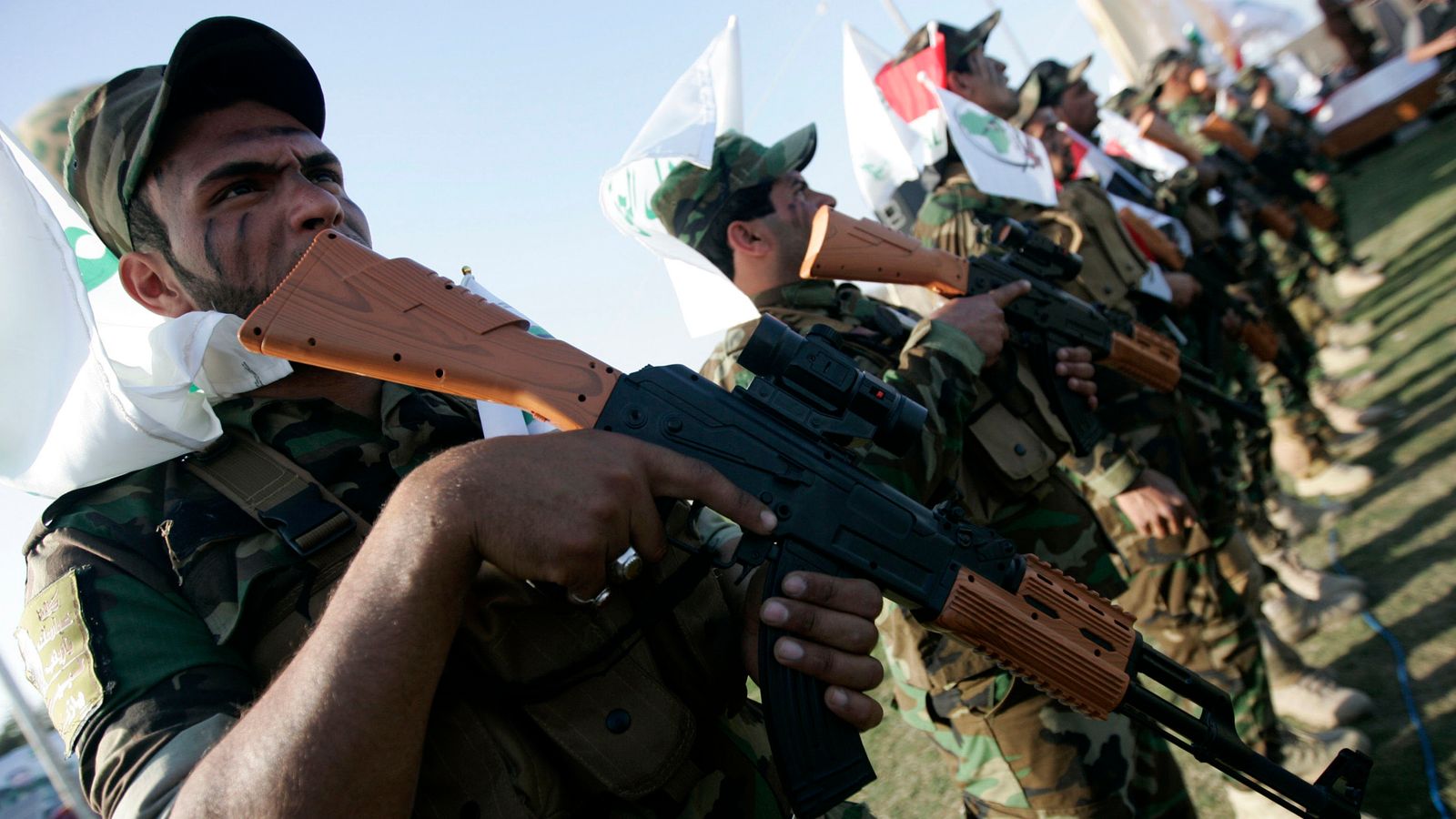
U.S. The high-level member of an Iraqi militia with ties to Iran was allegedly planning to kill Americans in attacks in Los Angeles and New York City. Mohammad Baqer Saad Dawood Al-Saadi, also known as Dawood al-Saadi, is an alleged commander of Kataib Hezbollah, an Iraqi militia that is a proxy for Iran’s Revolutionary Guards.
U.S. and Israeli attacks on Iran, according to the complaint reported by the New York Times. The article detailing the charges was published on May 15, 2026 at 2:42pm.
Dawood al-Saadi is expected to be presented in federal court in Manhattan on Friday. U.S. cities including Los Angeles and New York.
Prosecutors allege the plots were developed in direct response to American and Israeli military actions against Iran earlier this year. Kataib Hezbollah has operated as an Iranian proxy for years, with its leadership maintaining close operational links to Iran’s Revolutionary Guards.
The unsealing of the complaint on Friday marks the first public disclosure of the specific plots attributed to Al-Saadi.