IRGC Commander Says Missiles and Drones Are Locked on US Targets
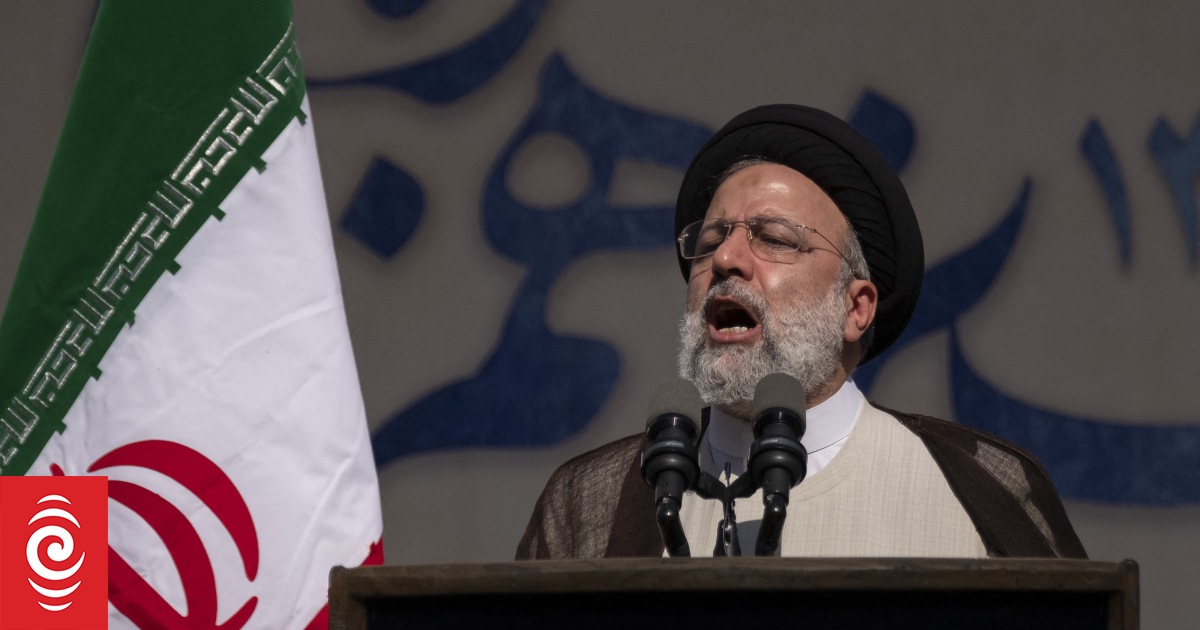
Iran's Islamic Revolutionary Guard Corps commander stated that missiles and drones are locked onto American targets and enemy ships in the region and are awaiting orders to fire. The announcement comes amid an existing ceasefire between the United States and Iran that President Trump says remains in effect despite reported skirmishes.
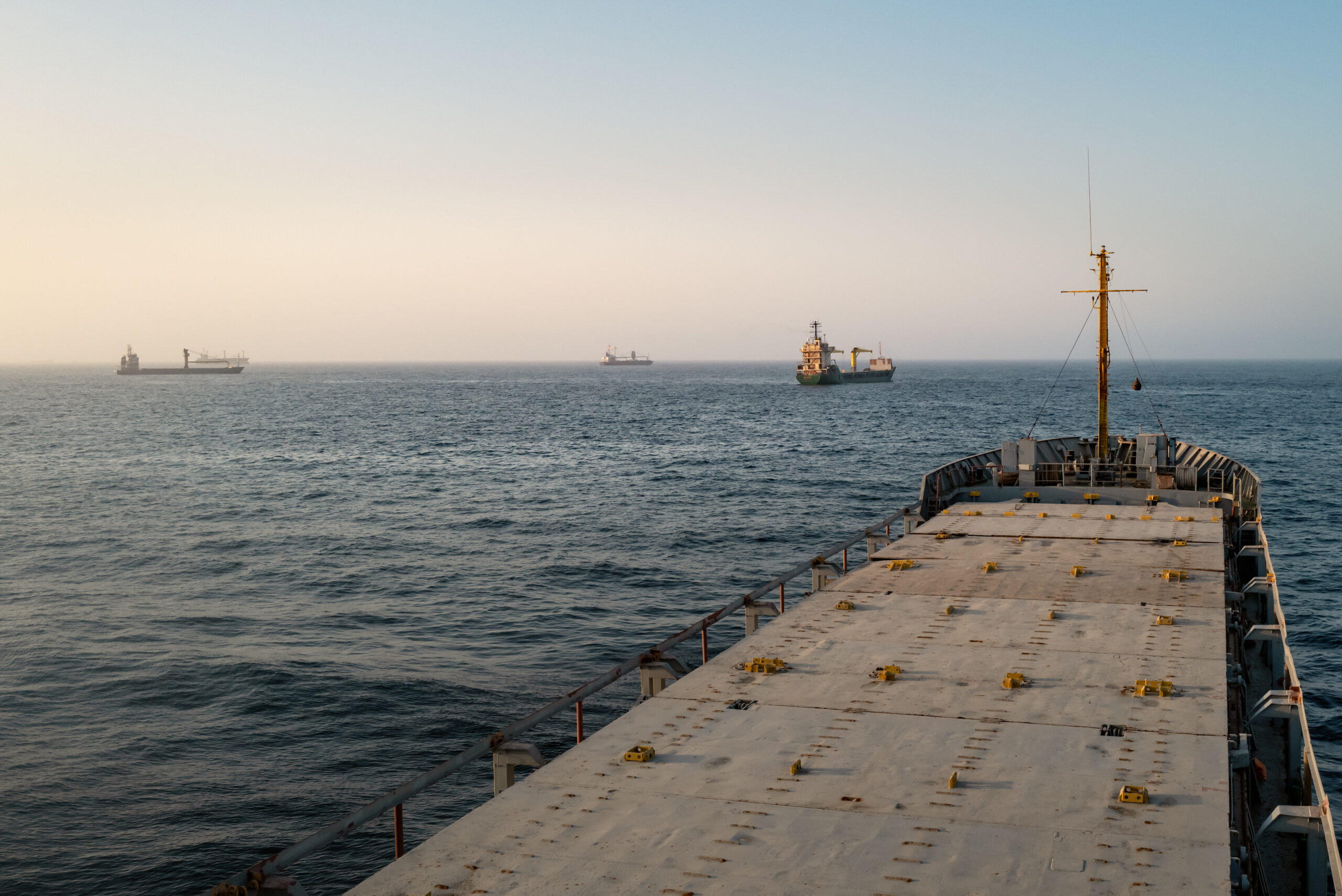
Iran's Islamic Revolutionary Guard Corps commander announced Saturday that its missiles and aerospace drones are locked on American targets in the region and aggressor enemy ships, awaiting the order to fire. " The statement comes hours after the IRGC navy command warned that any attack on Iranian oil tankers or commercial ships will be met with a wide attack on one of the American bases in the region and enemy ships.
Tensions remain high in the strait with Iranian and U.S. forces exchanging fire in limited skirmishes. Despite those exchanges, President Trump says the ceasefire between the United States and Iran is still in effect. The IRGC commander’s remarks represent the most direct public threat against U.S. forces since the ceasefire took hold last month.
Hezbollah claimed 22 strikes on Israeli forces on Saturday, targeting gatherings of soldiers and vehicles in multiple towns in southern Lebanon and northern Israel with rockets, artillery and drones. The group said the actions responded to continued Israeli strikes despite the ceasefire.
Israeli forces killed at least 23 people in Lebanon on Saturday according to Lebanese authorities, including four killed in strikes across southern Lebanon. A health ministry preliminary toll reported seven killed and 15 wounded in an Israeli strike on Saksakiyeh where families had sought safety after fleeing other areas.
Hezbollah remains an important proxy for Tehran, which could influence longer-term calculations.
Qatar’s prime minister and foreign minister held a phone call with Saudi Arabia’s foreign minister to discuss the ceasefire between the United States and Iran and efforts at de-escalation. The two sides stressed the need for all parties to engage with mediation and address root causes of the crisis.
Both Iran and the United States are approaching negotiations believing they have won the conflict, making concessions more difficult, according to Sina Azodi of George Washington University. He told Al Jazeera that resolving Iran’s uranium enrichment capacity through an agreed suspension could significantly raise the likelihood of a deal.
The United States needs to rebalance its relationship with Gulf states by treating them as partners rather than clients, said Mark Kimmitt, former assistant secretary of state for political-military affairs. He cited growing U.S. debt payments relative to defense spending as a driver for change in regional posture.
“IRGC missiles and aerospace drones are locked on American targets in the region and aggressor enemy ships. We are waiting for the order to fire.”
Iran views control of the Strait of Hormuz as greater leverage than a nuclear weapon and intends to use it to return to pre-war conditions, one regional analyst told Al Jazeera. The IRGC navy command separately warned that attacks on its tankers would prompt retaliation against U.S. bases.
Russia’s president said he hopes the Iran conflict ends soon but warned that prolongation would carry a high price for the world. He noted the difficult position it creates for Moscow given its relations with both Iran and Gulf states. Iran’s football federation announced the men’s national team will participate in the 2026 World Cup hosted by the United States, Mexico and Canada but demanded that hosts accommodate its conditions related to the ongoing regional war.
Key Facts
Story Timeline
5 events- May 9, 2026 — evening GMT
IRGC commander states missiles and drones locked on US targets awaiting fire order.
2 sourcesspectatorindex · AJEnglish - May 9, 2026 — afternoon GMT
IRGC navy warns attacks on Iranian tankers will trigger strike on US base.
1 sourceAJEnglish - May 9, 2026
Hezbollah claims 22 strikes on Israeli forces in southern Lebanon and northern Israel.
1 sourceAJEnglish - May 9, 2026
Israeli strikes kill at least 23 people across southern Lebanon.
1 sourceAJEnglish - May 9, 2026
Qatar and Saudi foreign ministers discuss Iran-US ceasefire and de-escalation.
1 sourceAJEnglish
Potential Impact
- 01
Heightened rhetoric increases risk of miscalculation in the Strait of Hormuz.
- 02
Lebanese civilian casualties continue to rise from Israeli strikes despite ceasefire.
- 03
Iran links Strait of Hormuz access to demands for sanctions relief and reparations.
- 04
Diplomatic talks between Gulf states focus on maintaining de-escalation efforts.
- 05
Hezbollah actions risk further escalation along the Israel-Lebanon border.
Transparency Panel
Related Stories
The GuardianWHO Chief Visits DRC as Ebola Death Rate Reaches 30-50%
World Health Organization director-general Tedros Adhanom Ghebreyesus arrived in the Democratic Republic of the Congo to support containment of a new Ebola outbreak. The agency revised the death rate to 30-50% based on confirmed cases and recorded 10 confirmed and 223 suspected d…
westernjournal.comGreek National Charged in UK With Aiding Iran-Linked Intelligence Service
A 46-year-old Greek man living in Germany was charged under the UK National Security Act with assisting an intelligence service believed to be Iran by targeting a journalist at Iran International.
upi.comSupreme Court Revives Havana Docks Lawsuit Over Confiscated Cuban Property
The U.S. Supreme Court sent a Helms-Burton Act case back to lower courts for further argument. The suit seeks damages from cruise lines that used docks seized by Cuba in 1959.