world
IRGC Launches Missiles and Drones at Kuwaiti Economic Infrastructure Amid US Rescue Mission in Iran
The Islamic Revolutionary Guard Corps (IRGC) reportedly launched missiles and drones targeting systems supporting Kuwait's economy while a US rescue mission was underway in Iran. Satellite imagery showed fires at the affected sites. The incident occurred as global attention focused on the US operation.
Apr 5, 8:21 AM·2m read1 source
MA
 middleeasteye.net
Audio version
Tap play to generate a narrated version.
The Islamic Revolutionary Guard Corps (IRGC) of Iran launched missiles and drones toward Kuwait, targeting infrastructure critical to the country's economy, according to a report by @MarioNawfal. This action took place concurrently with a US rescue mission in Iran that drew international attention.
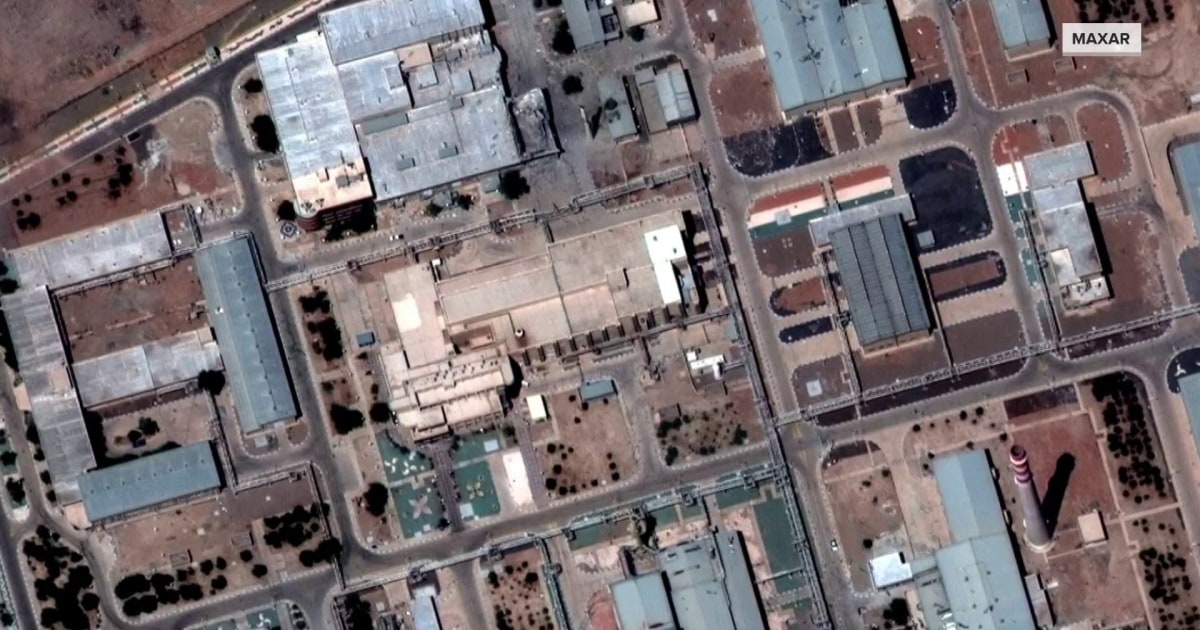
Satellite imagery captured fires at the targeted locations, indicating damage to underlying systems that sustain Kuwait's economic operations.
Kuwait, a major oil-producing nation in the Gulf region, relies heavily on its energy infrastructure, including refineries, pipelines, and ports, to maintain its economy. The strikes reportedly aimed at these foundational elements, which could disrupt oil exports and related industries if significantly impaired.
No immediate casualties were mentioned in the initial reports, but the potential for economic fallout remains a concern for Kuwait's government and international markets.
The timing of the attack coincided with heightened regional tensions, as the US conducted a rescue operation inside Iran. Details of the US mission have not been fully disclosed, but it involved extracting personnel from a sensitive location. @MarioNawfal reported that the IRGC's actions occurred out of the global spotlight focused on the US efforts.
Kuwait's Ministry of Defense and regional allies have not yet issued official confirmations of the attack's extent or response measures. The incident raises questions about escalation in the Gulf, where Iran and Kuwait share maritime borders and historical diplomatic ties.
Affected parties include Kuwaiti energy firms and workers in the targeted sectors, with potential ripple effects on global oil prices.
In the broader context, Iran has faced international sanctions and military pressures, leading to IRGC operations in response to perceived threats. Kuwait, as a member of the Gulf Cooperation Council, maintains defense pacts with the US and Saudi Arabia.