finance
Israel Assesses Low Probability of Iran Nuclear Deal, Prepares Strikes on Energy Infrastructure
Israeli officials have assessed a low chance of reaching a nuclear deal with Iran, according to Channel 14 reports. Preparations are underway for potential strikes targeting Iranian energy infrastructure, including newly constructed facilities. This development occurs amid ongoing tensions in nuclear negotiations and regional security concerns.
Apr 5, 2:07 PM·2m read1 source
FI
 thehindu.com
Audio version
Tap play to generate a narrated version.
JERUSALEM — Israeli security officials have concluded that the likelihood of a nuclear agreement with Iran remains low, prompting preparations for military action against key Iranian energy assets. The assessment, reported by Channel 14, highlights Israel's strategic planning in response to stalled diplomatic efforts.
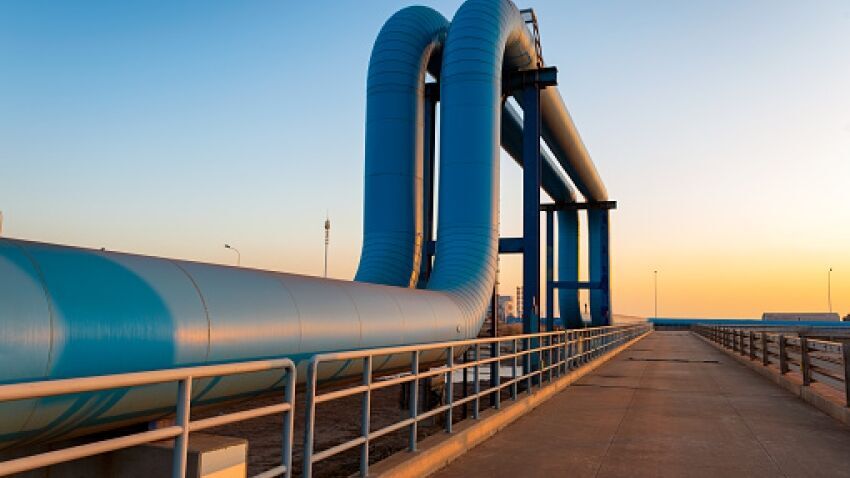
These preparations include targeting energy infrastructure, such as oil refineries and natural gas facilities, which are vital to Iran's economy.
The context stems from prolonged international negotiations aimed at curbing Iran's nuclear program. Previous rounds of talks, involving the United States and other world powers, have failed to produce a comprehensive deal since the 2015 Joint Comprehensive Plan of Action was abandoned in 2018.
Israel, which views Iran's nuclear ambitions as an existential threat, has consistently advocated for a hardline approach, emphasizing military readiness alongside diplomacy.
Iran's nuclear activities have escalated in recent years, with the International Atomic Energy Agency reporting increased uranium enrichment levels beyond those permitted under prior agreements. Israel has conducted surveillance and limited operations against Iranian targets in the past, including cyberattacks and airstrikes in Syria.
The current preparations, as per Channel 14, extend to Iran's domestic energy sector, which supplies a significant portion of the country's revenue through exports.
Affected parties include Iranian civilians reliant on energy infrastructure for daily needs, as well as global markets that depend on stable oil supplies from the region. Disruptions could lead to price fluctuations in international energy commodities.
Stakeholders such as the United States, European Union, and Gulf states are monitoring the situation closely, given their interests in regional stability.