Israel-Hezbollah Clashes Continue as U.S.-Iran Ceasefire Talks Stall
Fighting between Israel and Hezbollah continued Friday after Hezbollah rejected a proposed truce. U.S. and Iranian officials reported no progress toward reopening the Strait of Hormuz.
 jpost.com
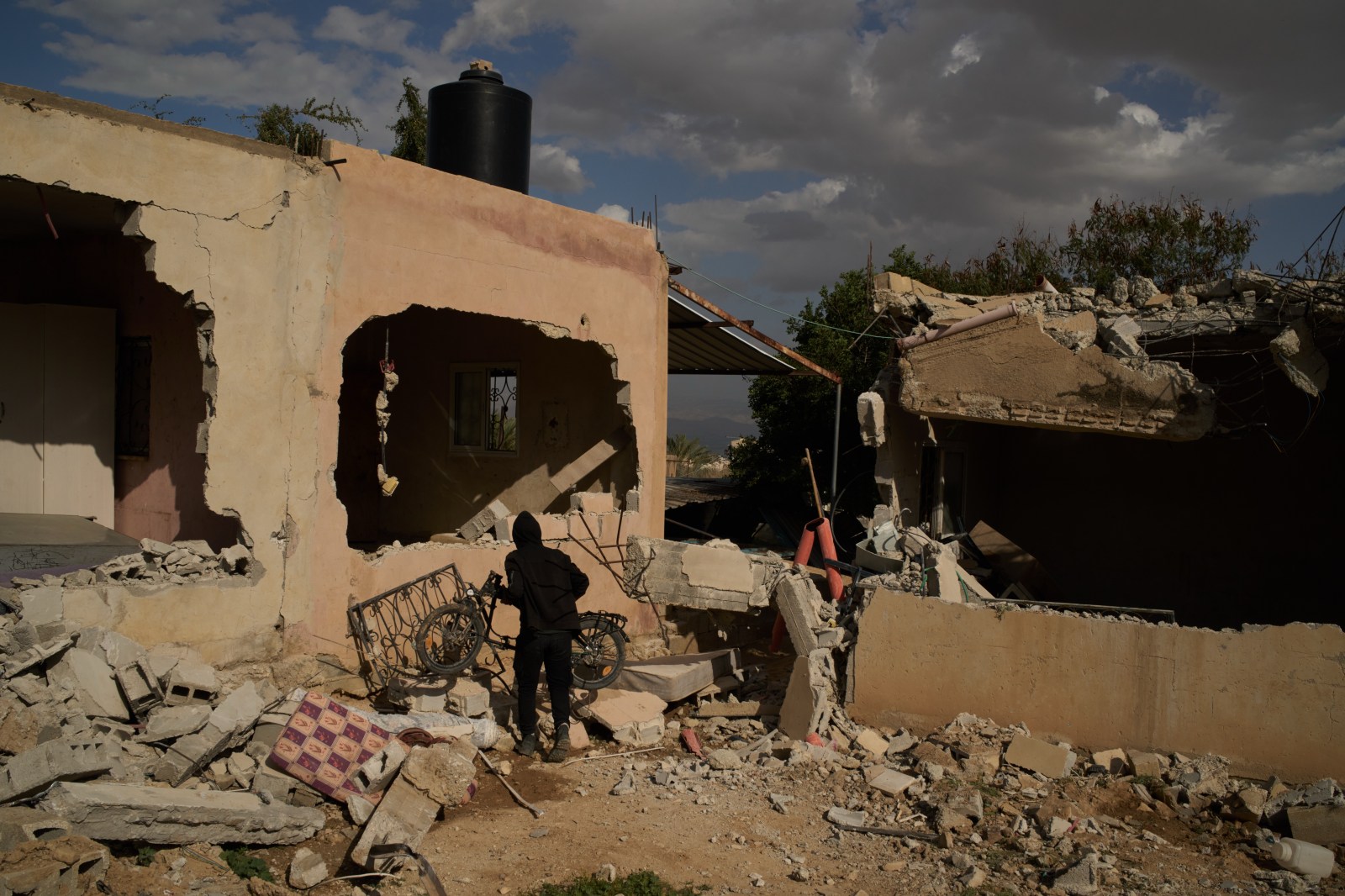
Israel and Hezbollah exchanged fire in southern Lebanon on Friday, one day after Hezbollah rejected a U.S.-mediated ceasefire agreement between Israel and Lebanon. The Lebanese Ministry of Public Health reported 32 deaths and 137 new injuries in the preceding 24 hours, bringing the conflict total since March 2 to 3,558 killed and 10,870 wounded.
Salam told a Beirut conference that the fighting "is not our war" and accused Iran of treating Lebanon as a bargaining chip. President Joseph Aoun separately told CNN that Hezbollah must accept negotiations because "the Lebanese people are not your people." Hezbollah stated it carried out about 20 attacks on Israeli troops Friday in response to what it described as Israeli violations.
Araghchi said Wednesday that "no tangible progress" had been made on a U.S.-Iran deal to end the war and reopen the Strait of Hormuz. President Trump said any Iranian killing of U.S. troops would constitute "a good reason" to restart hostilities. U.S. Central Command stated that American forces remain in a ceasefire with Iran.
CENTCOM reported that U.S. forces have redirected 129 commercial vessels and disabled six ships to enforce the blockade of Iranian ports. The command denied Iranian claims that warning shots were fired at U.S. destroyers. National Economic Council Director Kevin Hassett told reporters that gasoline and fertilizer prices would fall once a deal reopens the strait, though an industry analyst said pre-war price levels may not return until 2027.