Israel and Iran Exchange Strikes on Each Other’s Territory Then Quickly Announce Mutual Halt
Israeli forces hit sites inside Iran on June 8 for the first time since an April ceasefire. Iran responded with missile launches at Israel before both sides announced a halt within hours.
 Al-Monitor
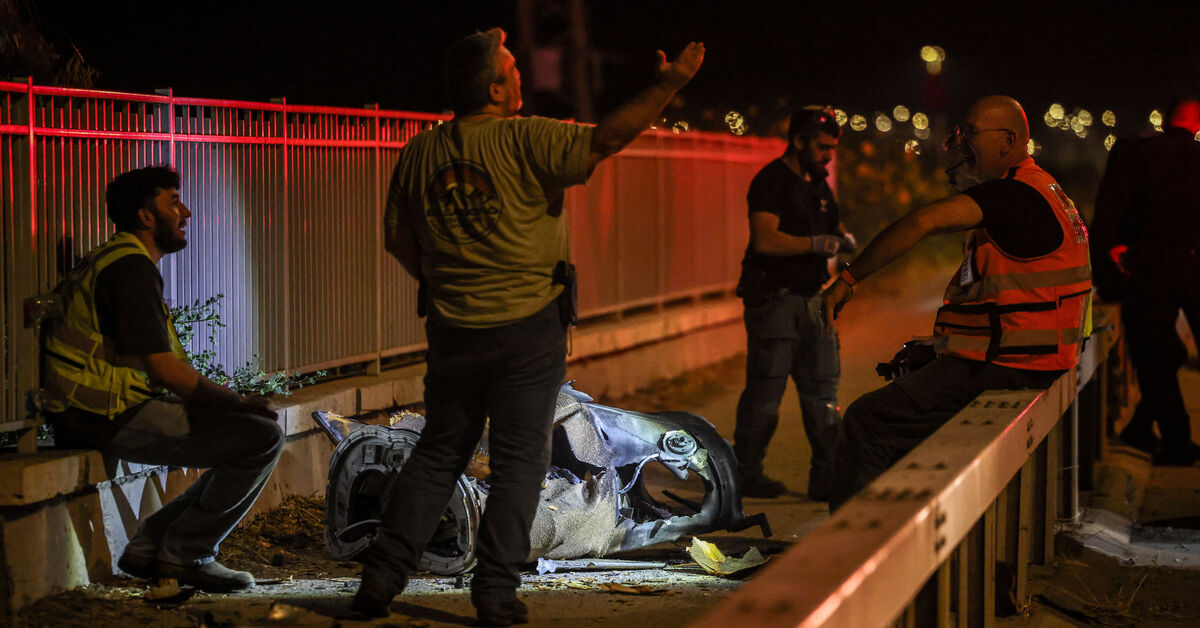
Israeli forces struck targets in Iran on Monday for the first time since an April ceasefire. Iranian forces launched missiles at Israel, which Tehran described as retaliation for earlier Israeli operations in Lebanon's capital. Both sides declared a halt to the exchange within hours.
U.S. officials have been conducting talks with Iran while keeping Israel outside those discussions. Israeli officials have stated that any final agreement must account for their security concerns. A military historian at Hebrew University said that excluding Israeli interests could lead to further disruptions of any agreement.
Israeli officials said the strikes on Iran were intended to prevent future Iranian influence over Israeli military actions in Lebanon. They cited a need to maintain the ability to target Hezbollah positions and keep forces in southern Lebanon.
U.S. Officials on a sustained ceasefire in Lebanon. Israeli officials noted that sustained air operations against Iran would require external support beyond Israel's own resources. A researcher at the Institute for National Security Studies stated that ammunition supplies limit how long such a campaign could continue without additional backing.
Iranian media is reporting that there were no immediate casualties following apparent Israeli strikes on the Karun petrochemical plant in Mahshahr, a city in Iran’s southwestern Khuzestan province.