Israel and Lebanon agree to ceasefire as operations continue in south
Israel and Lebanon reached a ceasefire agreement on condition that Hezbollah cease fire. Israeli officials stated operations targeting infrastructure in southern Lebanon will continue for now.
 upi.com
Israel and Lebanon agreed to a ceasefire on the condition that Hezbollah stops firing, the U.S. State Department said. The agreement includes plans to establish pilot zones under exclusive Lebanese army control. Israeli officials said military operations in southern Lebanon will continue for now.
The operations target what officials described as terrorist infrastructure while preserving freedom of action in response to attacks.
Ceasefire Terms and Implementation The U.S.
State Department stated the two sides agreed under U.S. guidance to move quickly toward the pilot zones. The zones are intended to place security responsibility with the Lebanese army. Israeli officials said the operations will continue despite the ceasefire. They cited the need to maintain response capability if attacks resume.
Related Developments The U.S.
House backed a resolution that would limit presidential authority to initiate military action against Iran. The measure comes as the Trump administration pursues negotiations with Iran. He described Iran as volatile and said the U.S. military could respond if needed.
Transparency
Story details
Related Stories
 middleeasteye.net
Iranian Drone Strikes Kuwait Airport, Killing One
An Iranian one-way attack drone struck Kuwait International Airport on June 3, 2026, killing one person and injuring more than 60. The attack caused significant damage to Terminal One.
 thehindu.com
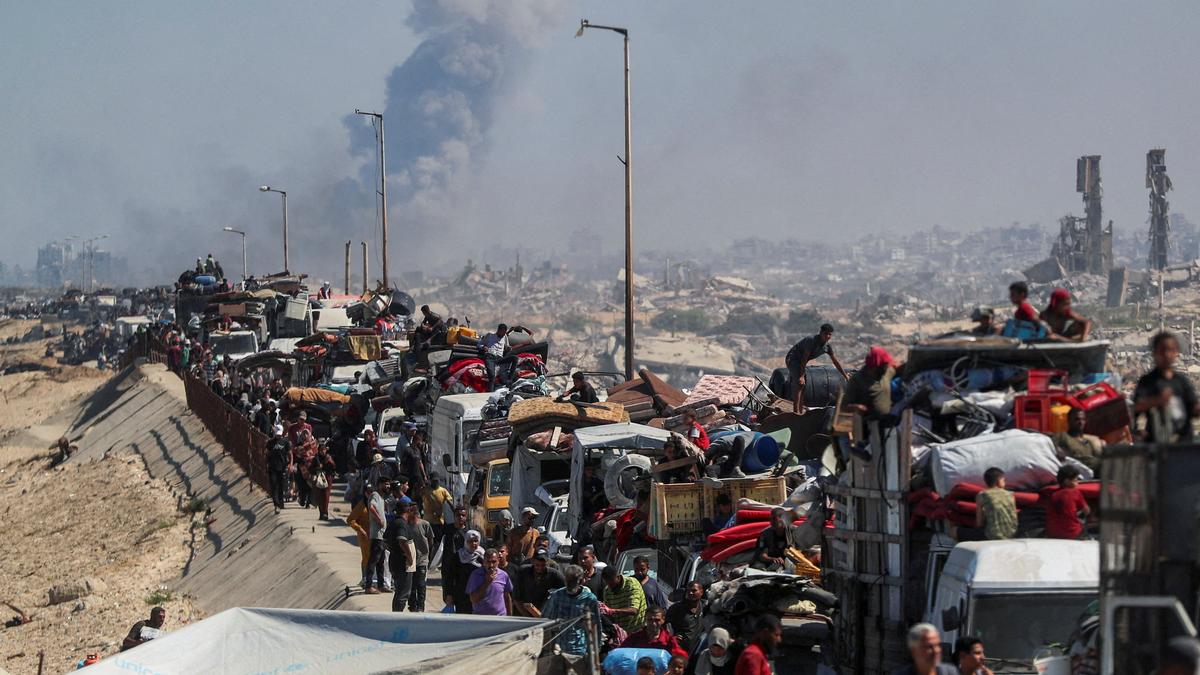
Israeli Strikes Kill Hamas Commander and at Least 9 Others in Gaza City
Israeli aircraft struck four residential buildings in Gaza City before dawn Thursday. Health officials reported nine deaths and 15 wounded.
 Breaking Defense
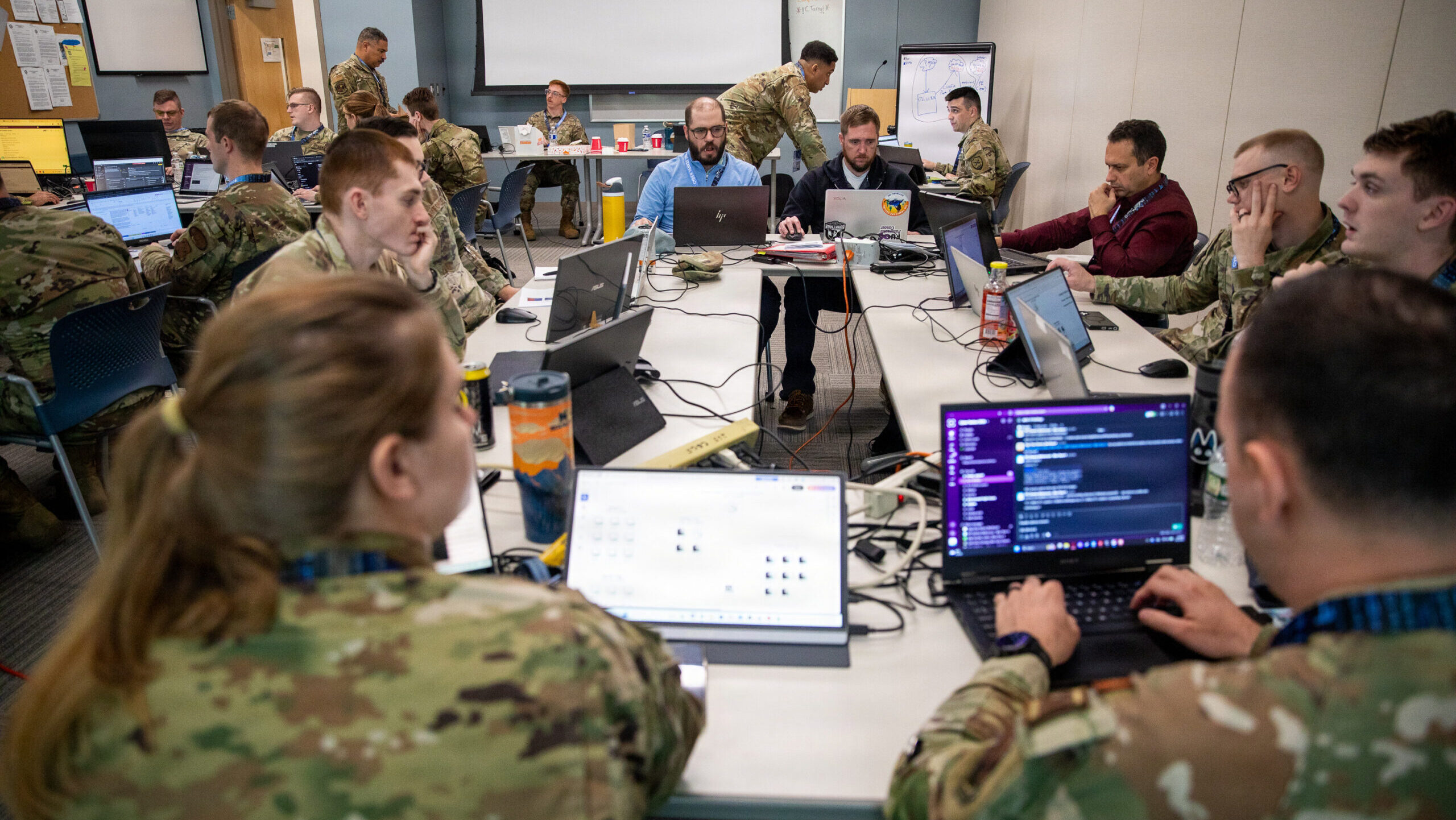
Pentagon Cyber Unit Drafts Plan to Defend Critical Infrastructure
The Defense Cyber Defense Command is developing a joint task force and command structure to coordinate responses to cyberattacks on U.S. critical infrastructure. Officials are mapping roles among federal agencies and examining digital protections modeled on physical security zone…