world
Israel's Defense Ministry Approves New F-35I and F-15IA Squadrons
Israel's Ministerial Committee on Procurement has approved acquiring two new fighter squadrons, one of F-35I and one of F-15IA, with deals estimated at tens of billions of shekels. The move, part of the Magen Israel program, follows operational lessons from recent conflicts including airstrikes on Iran. Procurement delegations will sign agreements with U.S. officials soon.
TH
 The War Zone
Audio version
Tap play to generate a narrated version.
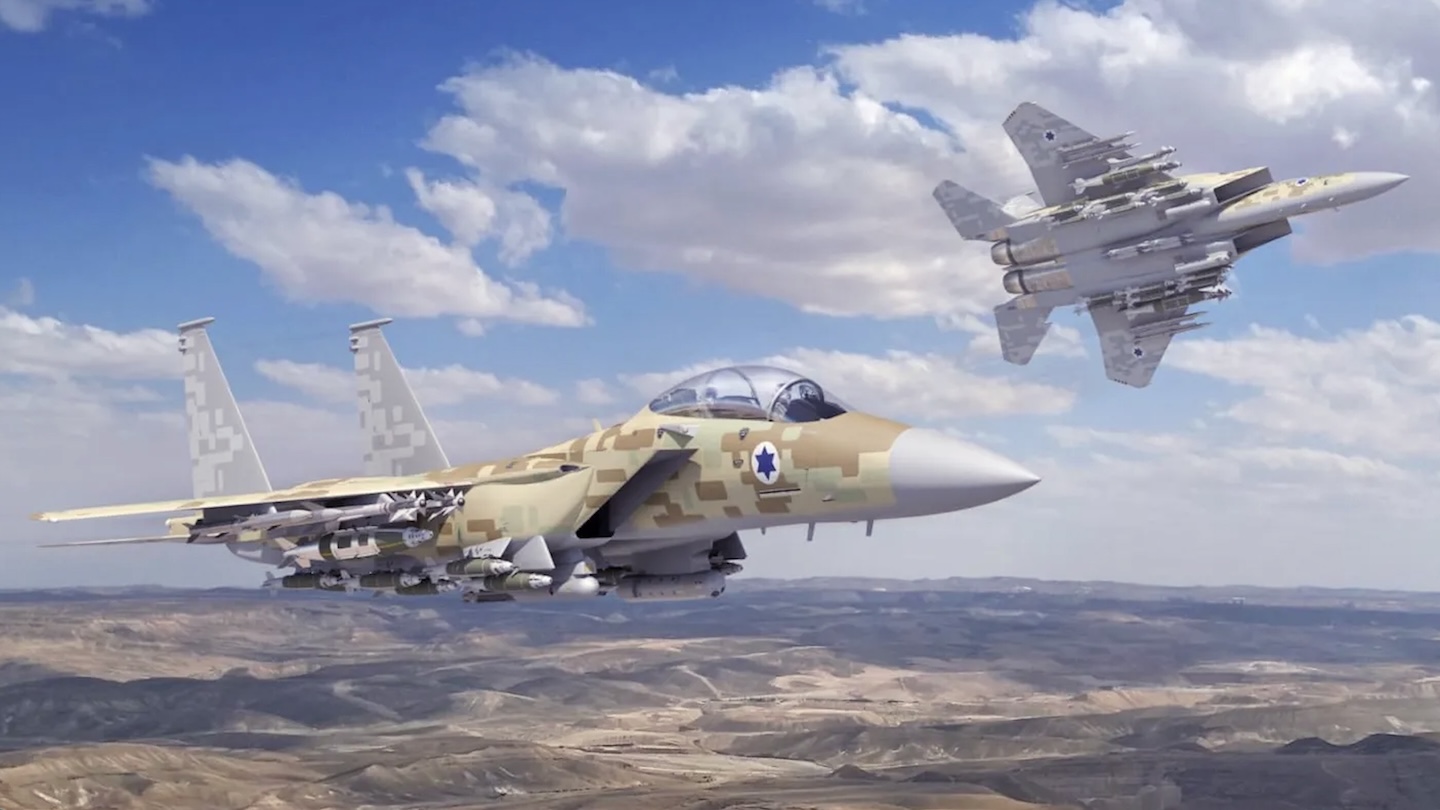
Israel's Ministerial Committee on Procurement approved a plan to acquire two new fighter squadrons over the weekend before May 3, 2026—one of F-35I stealth jets and one of F-15IA aircraft. The deals, estimated at tens of billions of shekels, include integration into the Air Force, comprehensive support, spare parts, and logistics.
Israeli Prime Minister Benjamin Netanyahu referenced the two new squadrons in a statement on May 3, 2026, noting Israel's investment in military independence through domestic production of armaments and defense technology.
U.S. government and military officials in the near future. Israeli Minister of Defense Israel Katz stated that the procurement is driven by operational lessons learned from the campaign against Iran, requiring acceleration of force buildup.
Maj. Gen. ) Amir Baram, director general of the Israeli Ministry of Defense, described the procurement as the first and central step in implementing force buildup for a challenging security decade. Israel and the United States launched airstrikes on Iran on February 28, 2026, with a ceasefire in place since April 8, 2026.
U.S. Navy maintains a blockade of Iranian ports as of May 3, 2026. The Israel Defense Forces remains heavily engaged in fighting in Lebanon as of May 3, 2026. Israeli aircraft conducted strikes against Iranian-backed Hamas militants in Gaza and Hezbollah militants in Lebanon following the October 7, 2023, attacks on Israel.
Israeli aircraft also conducted long-range strikes against targets in Syria and Yemen in recent years before May 3, 2026. Katz added that the procurement of these squadrons is a central part of the Magen Israel program, designed to ensure the Israel Defense Forces maintains a sustained qualitative edge. The Magen Israel initiative provides a budget of close to $120 billion over the next 10 years.


