Substrate
science

Israeli Airstrikes on Tehran Oil Facilities Released 29,800 Tonnes of Sulphur Dioxide

Satellite data show the 7 March strikes produced a plume spanning 300,000 square kilometres that crossed several Asian countries. The emissions reached levels that can affect respiratory health.

New Scientist
1 source·May 26, 12:57 PM(3 days ago)·1m read
|
Israeli Airstrikes on Tehran Oil Facilities Released 29,800 Tonnes of Sulphur Dioxideindiatoday.intoday.in
Audio version
Tap play to generate a narrated version.

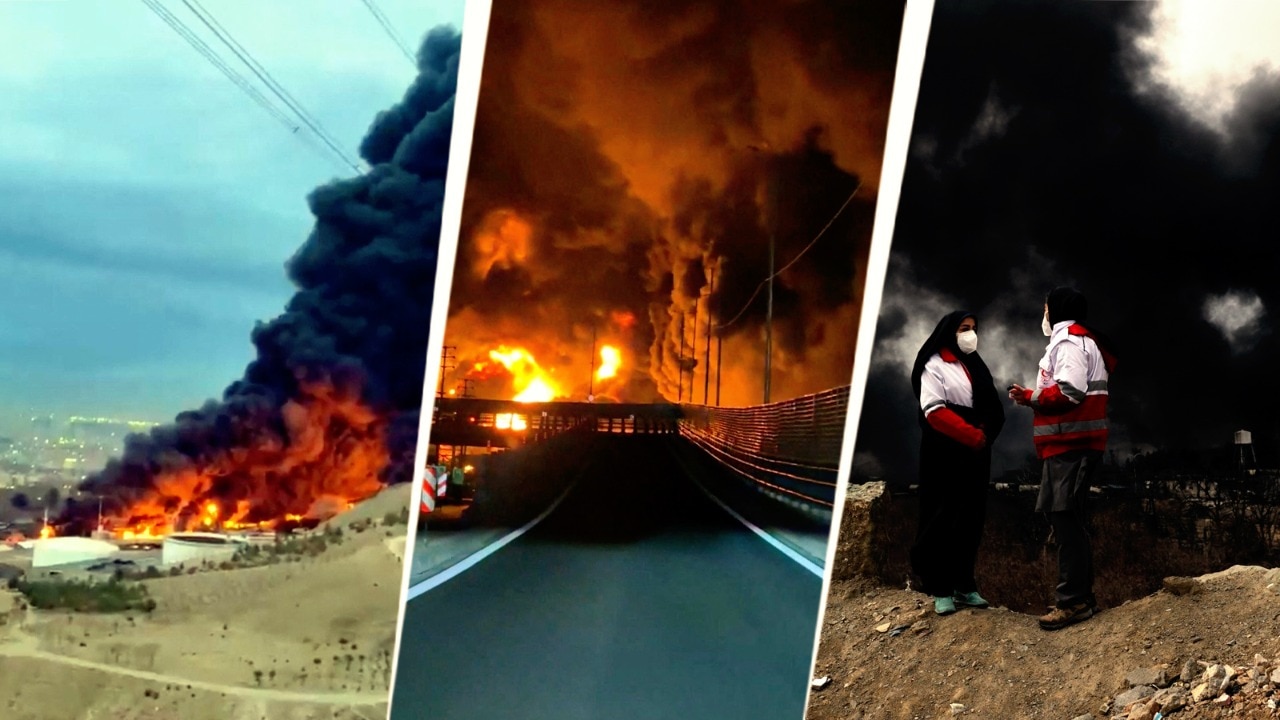
Israeli airstrikes on oil facilities in Tehran on 7 March released 29,800 tonnes of sulphur dioxide, according to measurements from Chinese satellites reported by New Scientist. The plume covered 300,000 square kilometres and moved across Turkmenistan, Uzbekistan, Kyrgyzstan, Kazakhstan and China.

Warplanes struck several oil depots and a refinery, igniting fires that burned for days. Black rain containing soot and hydrocarbons fell on the Iranian capital, and residents reported eye and skin irritation along with breathing difficulty. Data analysed by Zhenping Yin at Wuhan University showed sulphur dioxide concentrations high enough to impair lung function, irritate eyes and throat, and worsen asthma or bronchitis, particularly for children and older adults.

Carpenter at the University of York noted that the sulphur dioxide was accompanied by nitrogen oxides, polycyclic aromatic hydrocarbons and unburned hydrocarbons such as benzene. These substances have been linked to cancer and other health effects. The plume lasted about three days.

Ground-level concentrations remain uncertain because satellites measure the full atmospheric column. Yin stated that satellite readings of pollutants could support faster disaster response and early warnings for areas downwind.


Key Facts

29,800 tonnes SO2
Total sulphur dioxide released by the fires
300,000 square kilometres
Area covered by the detected plume
Three days
Duration the plume remained detectable

Story Timeline

2 events
  1. 7 March 2026

    Israeli airstrikes hit oil depots and a refinery in Tehran, starting fires that burned for days.

    1 source@NewScientist
  2. March 2026

    Chinese Fengyun 3 satellites recorded a 29,800-tonne sulphur dioxide plume crossing five countries.

    1 source@NewScientist

Potential Impact

  1. 01

    Downwind populations may experience short-term increases in respiratory irritation.

  2. 02

    Satellite data could enable faster pollution alerts for countries along the plume path.

Transparency Panel

Sources cross-referenced1
Confidence score75%
Synthesized bySubstrate AI
Word count191 words
PublishedMay 26, 2026, 12:57 PM
Bias signals removed2 across 1 outlet
Signal Breakdown
Amplifying 1Speculative 1

Related Stories

WHO Director Visits Congo as Ebola Outbreak SpreadsNpr
science3 hrs ago

WHO Director Visits Congo as Ebola Outbreak Spreads

The head of the World Health Organization arrived in Kinshasa to support efforts against a rare Ebola strain. Health workers face equipment shortages, community distrust, and armed conflict in affected provinces.

Npr
France 24
2 sources
Benzinga Publishes Article on Biotech Stocks During Pandemic Recoveryfinance.yahoo.com
science5 hrs agoDeveloping

Benzinga Publishes Article on Biotech Stocks During Pandemic Recovery

Benzinga published an article titled 'Best Biotech Stocks Right Now' that addresses the sector's position during global recovery from the pandemic. The piece notes government institutions and professional traders are focusing on biotech companies for vaccine and booster developme…

Benzinga
1 source
FDA Panel Recommends XFG Variant for Fall Covid Shotsmedpagetoday.com
science1 hr agoDeveloping

FDA Panel Recommends XFG Variant for Fall Covid Shots

Replimune will submit an application to the FDA for the third time. Pfizer and Innovent Biologics reached a collaboration agreement valued at up to $10.5 billion.

Stat
1 source