world
Israeli High-School Yeshivas Receive State Funds Without Core Curriculum Requirements
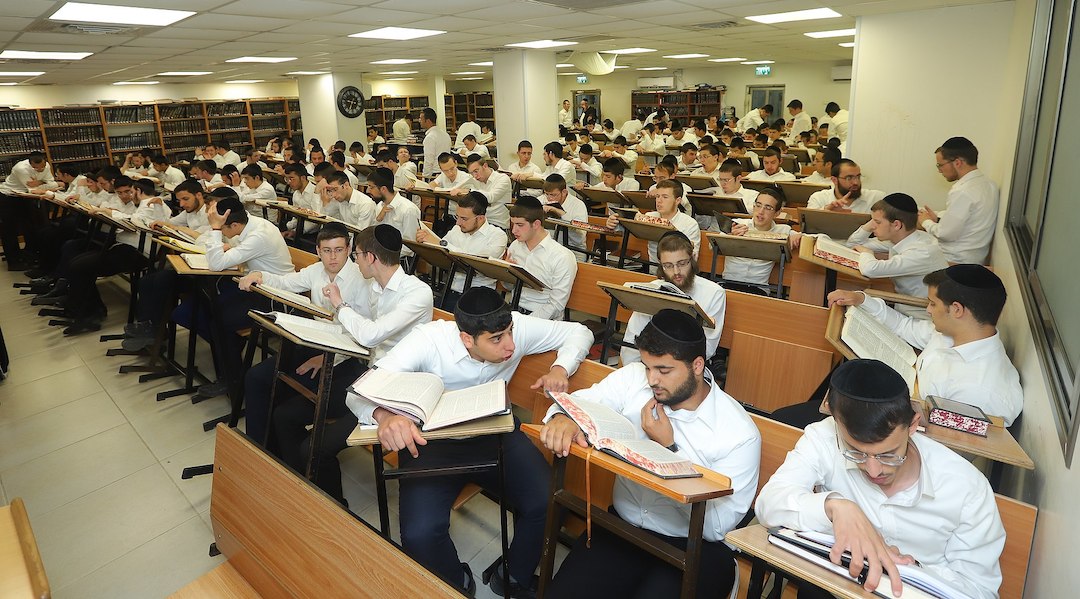
Haaretz reported on the funding and curriculum structure of certain ultra-Orthodox high-school yeshivas. The article describes state support without mandated core academic subjects.
May 23, 8:45 AM·1m read1 source
 jta.org
Audio version
Tap play to generate a narrated version.
Developing·Limited corroboration so far. This page will refresh as more sources emerge.
Haaretz reported that some Israeli high-school yeshivas receive state funding while operating without required core curriculum subjects such as mathematics, English, or science. Nati Tucker, who attended one such institution, described the admissions process as lacking external oversight. He stated that the state maintains no supervision over these schools.
The report indicates that the system channels hundreds of millions of shekels to private operators. Enrollment decisions rest with individual yeshivas rather than a centralized authority. Rabbi Michel Yehuda Lefkowitz met with Tucker in Bnei Brak after an extended wait. Tucker noted the rabbi's role at Or Israel Yeshiva, where he studied at age 15.
Tucker wrote that the absence of core studies limits future educational and employment options for Haredi boys. He characterized the arrangement as a state policy decision. The article provides no data on the number of schools or students currently participating in this funding model.
Transparency
How sources framed this
Single source — no framing comparison available.
CorroborationLimited · 1 source