Israeli Military Actions in Lebanon Against Hezbollah
Israeli forces have conducted airstrikes and a ground operation in Lebanon following exchanges of fire with Hezbollah. The conflict has displaced over one million people and exacerbated Lebanon's existing economic and political challenges. A new Lebanese government formed in 2025 is attempting reforms amid the crisis.
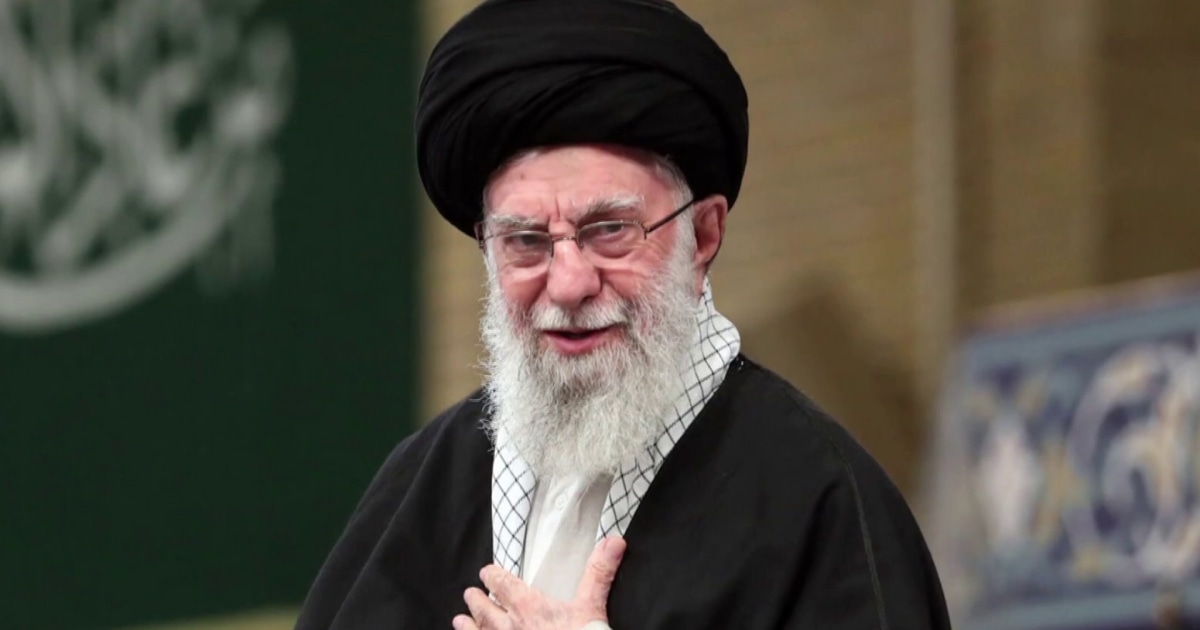
Israel has carried out airstrikes across Lebanon, including in the south, Beirut, and the Bekaa Valley, in response to rocket and drone launches by Hezbollah. Hezbollah, backed by Iran, entered the conflict after pledging retaliation for the assassination of Iran's Supreme Leader Ali Khamenei on February 28, 2026.
According to @ForeignAffairs, Hezbollah has launched between 1,000 and 1,800 rockets into Israel over the past month. On March 16, 2026, Israeli Defense Minister Israel Katz announced a targeted ground operation in southern Lebanon. The operation aims to prevent the return of displaced Shiite civilians to the area.
Israel has compared this campaign to its actions in Gaza.
has faced multiple crises prior to the current conflict. In 2019, a banking crisis led to a 90 percent collapse in the currency's value and a sovereign debt default. In 2020, an explosion at Beirut's port killed more than 200 people and caused over $8 billion in damage, according to World Bank estimates.
A previous conflict with Israel began after Hamas's attack on October 7, 2023, with Hezbollah launching attacks the next day. Israel assassinated Hezbollah's secretary-general Hassan Nasrallah and invaded Lebanon in 2024. A cease-fire was reached two months later, but Israel maintained occupation of five strategic points and continued attacks, with a U.S. side letter granting operational latitude.
The Israeli military has issued evacuation orders for over 100 towns and villages in southern Lebanon, extending to areas up to 25 miles into Lebanese territory, as well as parts of the Bekaa Valley and Beirut's southern suburbs. More than one million people, mostly Shiites, have been displaced from a total population of 5.6 million.
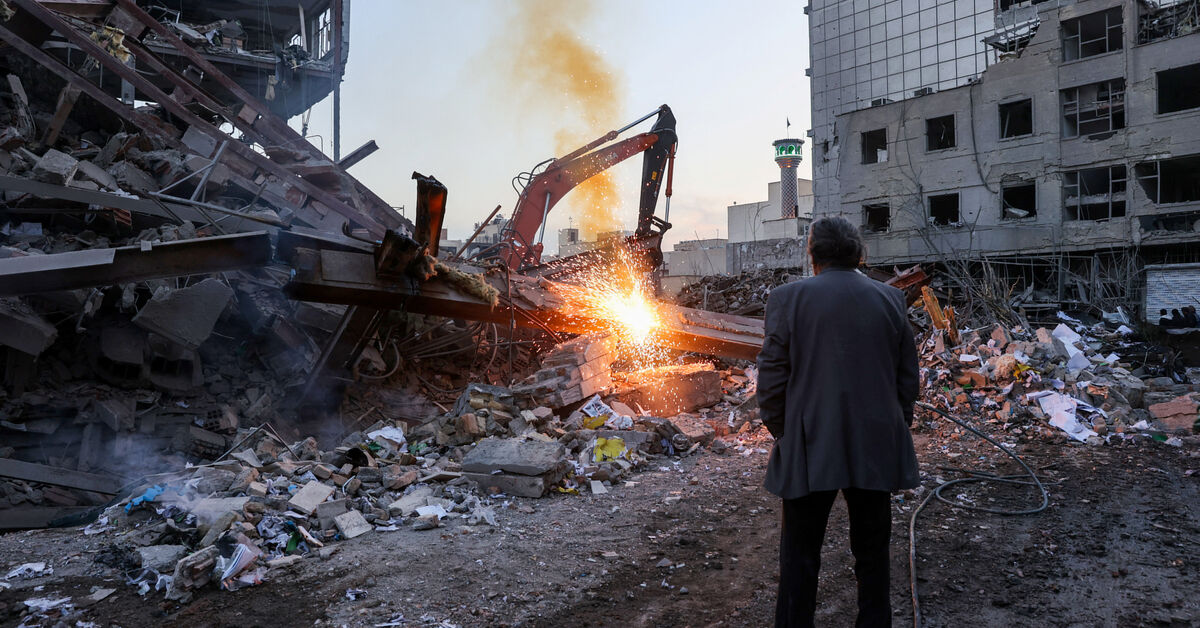
@ForeignAffairs reported that Israel has destroyed infrastructure, including dynamiting villages, preventing many from returning home. In February 2025, a new Lebanese government took office, led by President Joseph Aoun and Prime Minister Nawaf Salam.
The administration appointed ministers based on technocratic expertise and pledged reforms to address the financial crisis, judicial issues, reconstruction from the 2023-2024 war, and implementation of UN Resolution 1701, which calls for Hezbollah's disarmament.
Future Risks Hezbollah has continued its operations, with around 350 fighters and 127 civilians killed in Israeli attacks since the 2024 cease-fire. The group has refused to disarm and views the conflict as an existential struggle. Israeli actions have razed over 25 border villages and prevented returns to 62 towns.
Lebanese society remains divided over Hezbollah's role and Iran's influence. The ongoing war has hindered the new government's reform efforts. @ForeignAffairs noted that potential Israeli occupation or border adjustments could deepen social divides and lead to further instability in Lebanon.
Key Facts
Story Timeline
5 events- March 16, 2026
Israeli Defense Minister Israel Katz announced a targeted ground operation in southern Lebanon.
1 source@ForeignAffairs - March 1, 2026
Hezbollah leader Naim Qassem pledged retaliation for the assassination of Ali Khamenei, leading to rocket launches into Israel.
1 source@ForeignAffairs - February 2025
A new Lebanese government took office under President Joseph Aoun and Prime Minister Nawaf Salam.
1 source@ForeignAffairs - 2024
A cease-fire was reached after Israel's invasion of Lebanon, but attacks continued.
1 source@ForeignAffairs - October 8, 2023
Hezbollah began attacks on Israel following Hamas's October 7 assault.
1 source@ForeignAffairs
Potential Impact
- 01
Lebanon's new government may struggle to implement financial and judicial reforms amid the ongoing conflict.
- 02
Displacement of over one million people could deepen social divides in Lebanon.
- 03
International funding for Lebanon's recovery may decrease due to regional economic fallout.
- 04
Destruction of infrastructure may prevent civilians from returning to southern Lebanon.
- 05
Hezbollah's refusal to disarm could prolong the conflict with Israel.
Transparency Panel
Related Stories
Explosion at China Fireworks Factory Kills 26 and Injures 61 in Hunan Province
An explosion at the Huasheng Fireworks Manufacturing and Display Company in Liuyang, Hunan province, killed at least 26 people and injured 61 on Monday afternoon. Rescue operations concluded with evacuations and production halts at local fireworks manufacturers. President Xi Jinp…
indiatoday.intoday.inTrump Pauses Project Freedom in Strait of Hormuz Amid Progress on Iran Agreement
President Trump announced a temporary pause to Project Freedom, the U.S. effort to escort ships through the Strait of Hormuz, citing mutual agreement with Iran to facilitate finalizing a deal while the blockade remains in place. The decision follows requests from Pakistan and oth…
Australian Government Introduces Levy on Tech Platforms to Support Local News Publishers
Australia's government introduced the News Bargaining Incentive to shield publishers from big tech's use of news content. President Trump imposed a 100% tariff on imported pharmaceuticals, but Australia stated it would not raise drug prices. On International Day of the Midwife, g…