finance
Italian Airports Impose Jet Fuel Limits Amid Middle East Conflict Supply Disruptions
Several Italian airports have introduced fuel restrictions for flights due to limited jet fuel supplies linked to the Middle East conflict. The measures affect Bologna, Milan Linate, Treviso, and Venice airports from April 2 to April 9. Authorities state the situation remains under control, with no immediate shortages reported across Europe.
 Substrate placeholder — needs review
Audio version
Tap play to generate a narrated version.
Italian airports in Bologna, Milan Linate, Treviso, and Venice have issued advisories limiting jet fuel supplies for flights from April 2 through April 9. The restrictions stem from reduced availability of Air BP Italia’s Jet A1 fuel, prompted by ongoing disruptions in the Middle East. These advisories, known as Notice to Airmen (Notam), prioritize certain flights while capping fuel for others.
At Venice airport, priority is given to medical flights, state flights, and those longer than three hours. For other flights under three hours, a maximum of 2,000 liters per aircraft is permitted. Similar provisions apply at Bologna and Treviso airports.
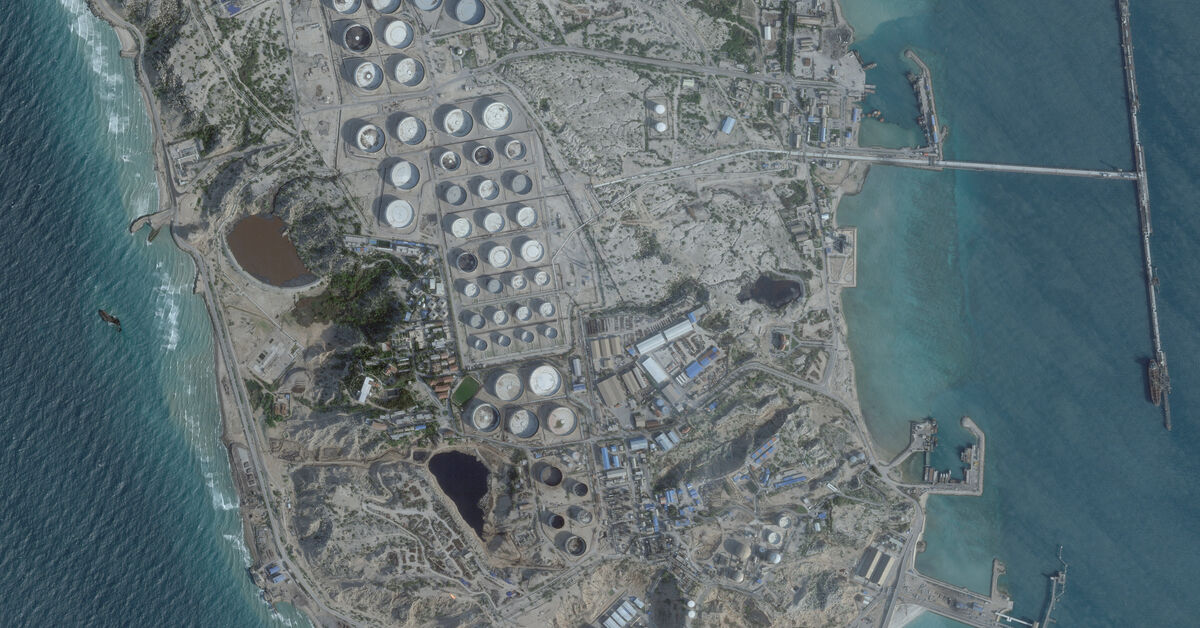
The fuel limitations arise from the conflict in the Middle East, which has led to the effective closure of the Strait of Hormuz. This has restricted supplies of crude oil, natural gas, and products including jet fuel to global markets. Europe relies heavily on imports from the Persian Gulf, which account for about half of jet fuel imports to the European Union and the United Kingdom, according to Vortexa data compiled by Bloomberg News.
Italian airport operator Save SpA, which manages Venice, Treviso, and Verona airports, stated to Corriere della Sera that the fuel limitations are not significant and relate to a single supplier. The company noted that other fuel providers remain active at its airports and that operations for intercontinental and Schengen-area flights face no restrictions.
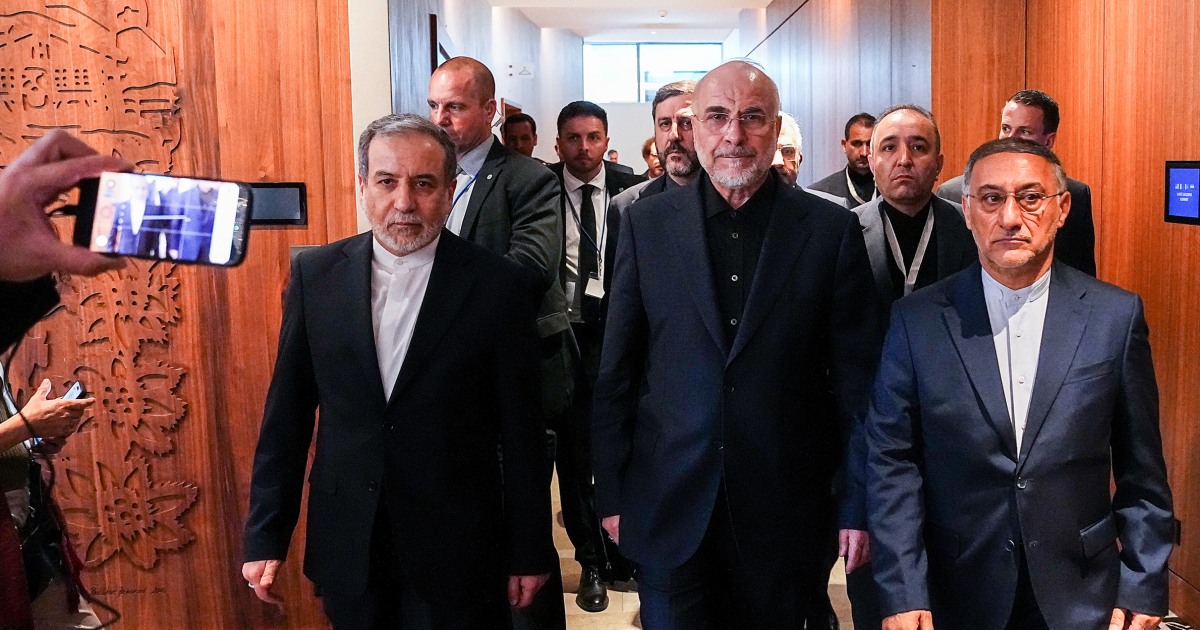
Pierluigi Di Palma, head of Italy’s civil aviation authority ENAC, told Corriere della Sera that the situation is under control despite sector tensions. He indicated no issues should concern travelers currently but noted potential risks could arise after April if supply pressures continue.
Internationally, International Energy Agency Executive Director Fatih Birol told the Financial Times that no physical shortages of jet fuel or diesel exist in Europe at present. However, he added that the situation could change in coming weeks if disruptions to Middle East flows persist.