science
Italian Region Continues Cuban Doctors Program Despite U.S. Pressure
Calabria continues to employ more than 200 Cuban medical staff in its hospitals. The program has drawn visits from U.S. officials seeking alternatives.
Jul 9, 12:59 AM·1m read2 sources

 Abc News
Audio version
Tap play to generate a narrated version.
Developing·Limited corroboration so far. This page will refresh as more sources emerge.
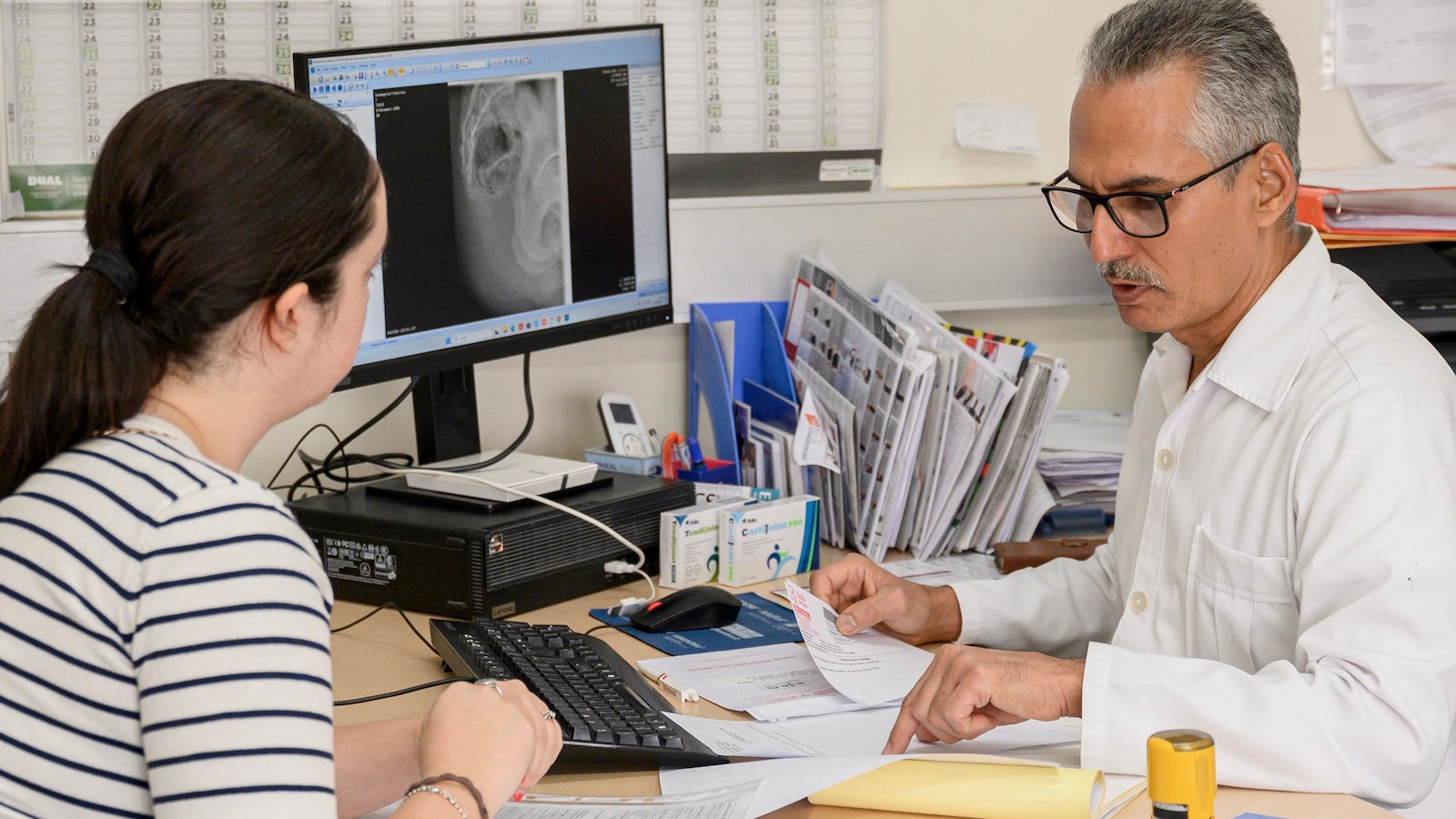
Italy's southern Calabria region continues to staff remote hospitals with more than 200 Cuban doctors under a program that began in January 2023. The region ranks last among Italy's 20 regions in public healthcare access, according to the health ministry.
Wages are about 30 percent lower than the national average and unemployment is double the national average. A shortage of local doctors had forced some departments to close before the Cuban staff arrived. One emergency room now treats 30,000 patients a year with six Cuban physicians making up half its staff.
U.S. officials visited the region this year and expressed concerns about the program. The State Department described the missions as a source of revenue for the Cuban government and said it has shared information with partner nations. Calabria's governor stated that the region needs the doctors to keep hospitals open.
The governor also said the administration is developing incentives to attract local physicians. The region pays the Cuban doctors directly into Italian bank accounts rather than through a Cuban government agency. Some doctors send up to half their salaries back to Cuba.
Background on the Program Cuba has deployed medical personnel to 55 countries, according to Cuban officials. Several other nations have ended similar agreements in recent months. Calabria continued the arrangement after the COVID-19 pandemic. The region had been under special administration for 17 years until April due to budget deficits.