Substrate
science

IUCN Upgrades Emperor Penguins to Endangered Status Due to Sea Ice Loss

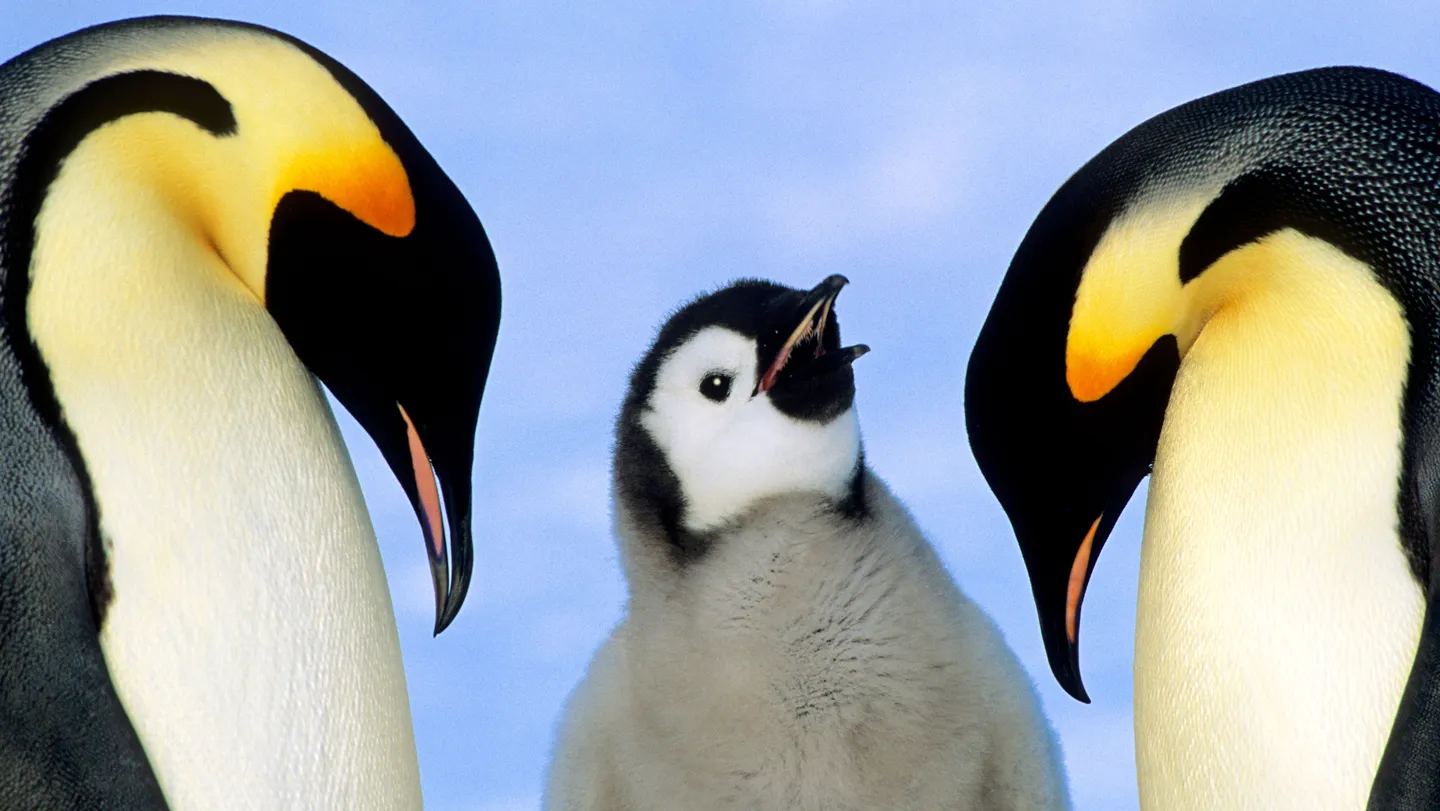
The International Union for Conservation of Nature has reclassified emperor penguins from threatened to endangered on its Red List, citing climate-driven sea ice decline in Antarctica. The change reflects a very high risk of extinction in the wild. Antarctic fur seals have also been downgraded to endangered amid population drops linked to warming oceans.
Science News
The New York Times
2 sources·Apr 9, 5:39 PM(26 days ago)·1m read
IUCN Upgrades Emperor Penguins to Endangered Status Due to Sea Ice LossScience News
Audio version
Tap play to generate a narrated version.

The International Union for Conservation of Nature (IUCN) reclassified emperor penguins (Aptenodytes forsteri) from threatened to endangered status on April 9. This upgrade indicates the species faces a very high risk of extinction in the wild. The decision stems from ongoing sea ice loss around Antarctica, which disrupts breeding and chick survival.

Emperor penguins rely on stable fast ice—immobile sea ice—for breeding and raising young. Over the past decade, Antarctica has recorded record lows in sea ice extent, with breakup occurring earlier in the year. This premature ice melt exposes chicks to drowning or freezing, as they lack waterproof feathers.

In 2022, satellite observations documented the collapse of five emperor penguin breeding colonies near the Bellingshausen Sea. The event resulted in the loss of approximately 10,000 chicks. Science News reported these details based on satellite data.

Current global emperor penguin populations stand at about 595,000 adults. This represents a decline of 10 to 22 percent since 2009. Projections indicate the population could halve by 2080 under continued climate trends.

The IUCN also reclassified Antarctic fur seals (Arctocephalus gazella) to endangered status.

In 1999, the species was listed as of least concern with an adult population of around 2,187,000. By 2025, the population had decreased to 944,000. Rising ocean temperatures and shrinking sea ice have driven this decline.

These changes push the seals' primary food source, krill, to deeper waters. Consequently, first-year pup survival rates have fallen sharply.

The IUCN Red List is maintained by a network of about 17,000 scientists and experts from over 160 countries.


It assesses the extinction risk of species worldwide. BirdLife International led the emperor penguin assessment.

— Martin Harper, CEO of BirdLife International, April 9 (Science News)

The New York Times noted that populations are declining as climate change causes sea ice retreat, aligning with IUCN findings. No contradictions appear across sources regarding the status changes or primary causes.

Key Facts

595,000 adults
current emperor penguin population estimate
Endangered status
IUCN reclassification for emperor penguins on April 9
10,000 chicks
lost in 2022 Bellingshausen Sea colony collapses
944,000 adults
2025 Antarctic fur seal population
Halve by 2080
projected emperor penguin population decline

Story Timeline

5 events
  1. April 9

    IUCN reclassifies emperor penguins to endangered status on Red List.

    2 sourcesScience News · The New York Times
  2. 2025

    Antarctic fur seal population reaches 944,000 adults, earning endangered status.

    1 sourceScience News
  3. 2022

    Five emperor penguin colonies collapse near Bellingshausen Sea, killing 10,000 chicks.

    1 sourceScience News
  4. 2009

    Emperor penguin adult population estimated at baseline for later decline calculations.

    1 sourceScience News
  5. 1999

    Antarctic fur seals listed as least concern with 2,187,000 adults.

    1 sourceScience News

Potential Impact

  1. 01

    Emperor penguin breeding success decreases further with continued early sea ice breakup.

  2. 02

    Antarctic fur seal pup survival rates drop due to reduced krill accessibility.

  3. 03

    Krill populations shift deeper, affecting broader Antarctic food web dynamics.

  4. 04

    Global awareness of climate impacts on polar ecosystems rises following status changes.

  5. 05

    IUCN Red List prompts increased international conservation funding for Antarctic species.

Transparency Panel

Sources cross-referenced2
Confidence score74%
Synthesized bySubstrate AI
Word count326 words
PublishedApr 9, 2026, 5:39 PM
Bias signals removed4 across 2 outlets
Signal Breakdown
Loaded 2Amplifying 1Framing 1

Related Stories

NASA Releases Thousands of Photos from Artemis II Lunar MissionNASA / Harrison H. Schmitt / Wikimedia (Public domain)
science5 hrs ago

NASA Releases Thousands of Photos from Artemis II Lunar Mission

NASA has released over 12,000 images from the Artemis II mission, which orbited the moon in April 2026. The photos capture views of Earth, the lunar surface, and a solar eclipse observed during the crew's return. Astronauts from the mission also visited the United Nations headqua…

Nbc News
UN
The Atlantic
Benzinga
Business Insider
5 sources
Three Die in Hantavirus Cases on MV Hondius Cruise Shipdeccanchronicle.com
science15 hrs agoFraming55Framing risk55/100Rewrite largely sticks to facts but inherits mild consensus framing around human-to-human transmission risk and repeatedly centers WHO spokespeople for reassurance.Click to jump to full framing analysis

Three Die in Hantavirus Cases on MV Hondius Cruise Ship

A hantavirus outbreak on the MV Hondius cruise ship has killed three passengers and sickened seven others, prompting an international response coordinated by the World Health Organization. The ship, carrying 147 people from 23 nationalities, is set to sail to Spain's Canary Islan…

Stat
Cbs News
2 sources
Houtman Abrolhos Corals Show High Resilience to 2025 Heatwave, Unlike Global Lossesnewscientist.com
science7 hrs agoDeveloping

Houtman Abrolhos Corals Show High Resilience to 2025 Heatwave, Unlike Global Losses

Coral reefs at the Houtman Abrolhos Islands off Western Australia endured a prolonged heatwave in early 2025 virtually unscathed, unlike widespread global die-offs. Researchers found exceptional heat tolerance across multiple species, with lab tests showing survival rates far exc…

New Scientist
1 source