science
J.P. Morgan Report Examines Climate Tipping Points and Business Risks
J.P. Morgan has released a report outlining a framework for businesses to assess risks from climate tipping points. The report, led by Sarah Kapnick, global head of climate advisory, uses financial models to evaluate potential damages. It addresses how such events could affect operations amid ongoing climate change.
 Time
TimeAudio version
Tap play to generate a narrated version.
Assessment The report provides a framework for understanding and responding to these risks.
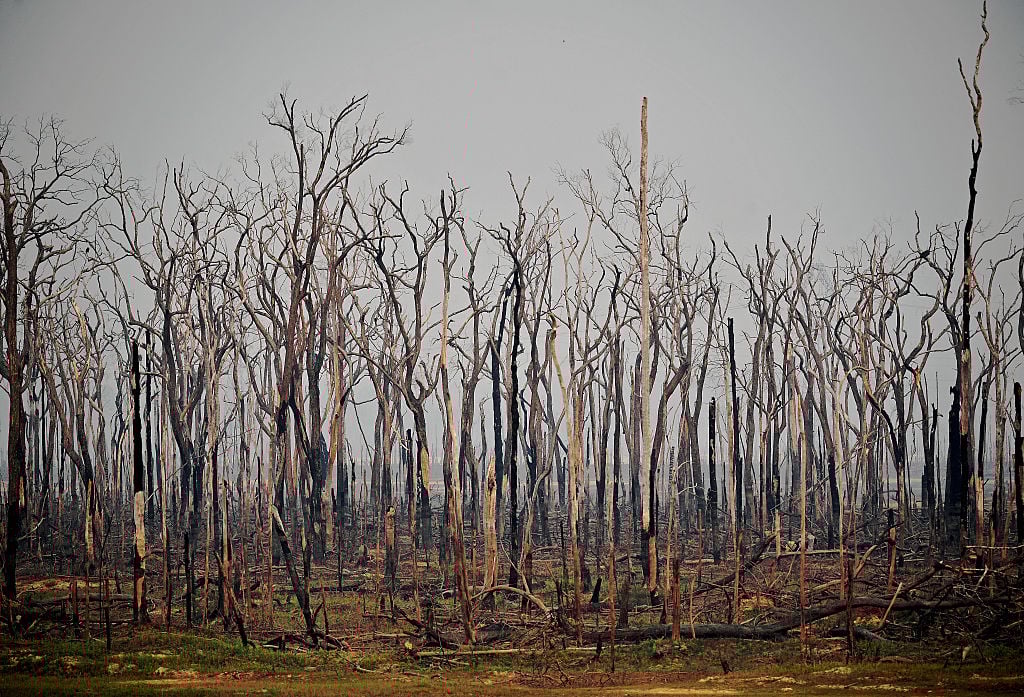
It marks a development in how financial institutions address irreversible climate changes. Climate tipping points refer to events where climatic conditions change rapidly and irreversibly. Examples include the potential dieback of the Amazon rainforest, which could convert the ecosystem into a savannah with unpredictable effects.
The Atlantic Meridional Overturning Circulation (AMOC), which regulates weather in North America and Europe, may weaken due to warming, leading to shifts in conditions. Scientists debate whether coral reefs have already passed a tipping point from climate stress. The science of tipping points has been recognized in climate research for decades.
However, economists have faced challenges in incorporating these risks into models. The report notes that only forward-looking investors and firms currently include tipping points in their business models and operations.
Context and Implications The report suggests that firms build capacity to identify vulnerabilities in a post-tipping point world.
It emphasizes evaluating costs without requiring immediate radical changes. As climate change progresses, more companies may need to integrate these considerations to manage potential financial impacts. Background on climate risks includes long-standing economic discussions, such as the late Harvard economist Martin Weitzman's concept of the 'dismal theorem,' which highlights difficulties in addressing severe outcomes.
The report aims to bridge this gap for corporate decision-making, where short-term metrics like quarterly returns often dominate. Stakeholders affected include investors, executives, and sectors vulnerable to environmental shifts, such as agriculture and insurance. Next steps involve firms adopting similar frameworks to prepare for possible disruptions.