world
Japan Faces Naphtha Shortages After Iran War Disrupts Oil Shipments
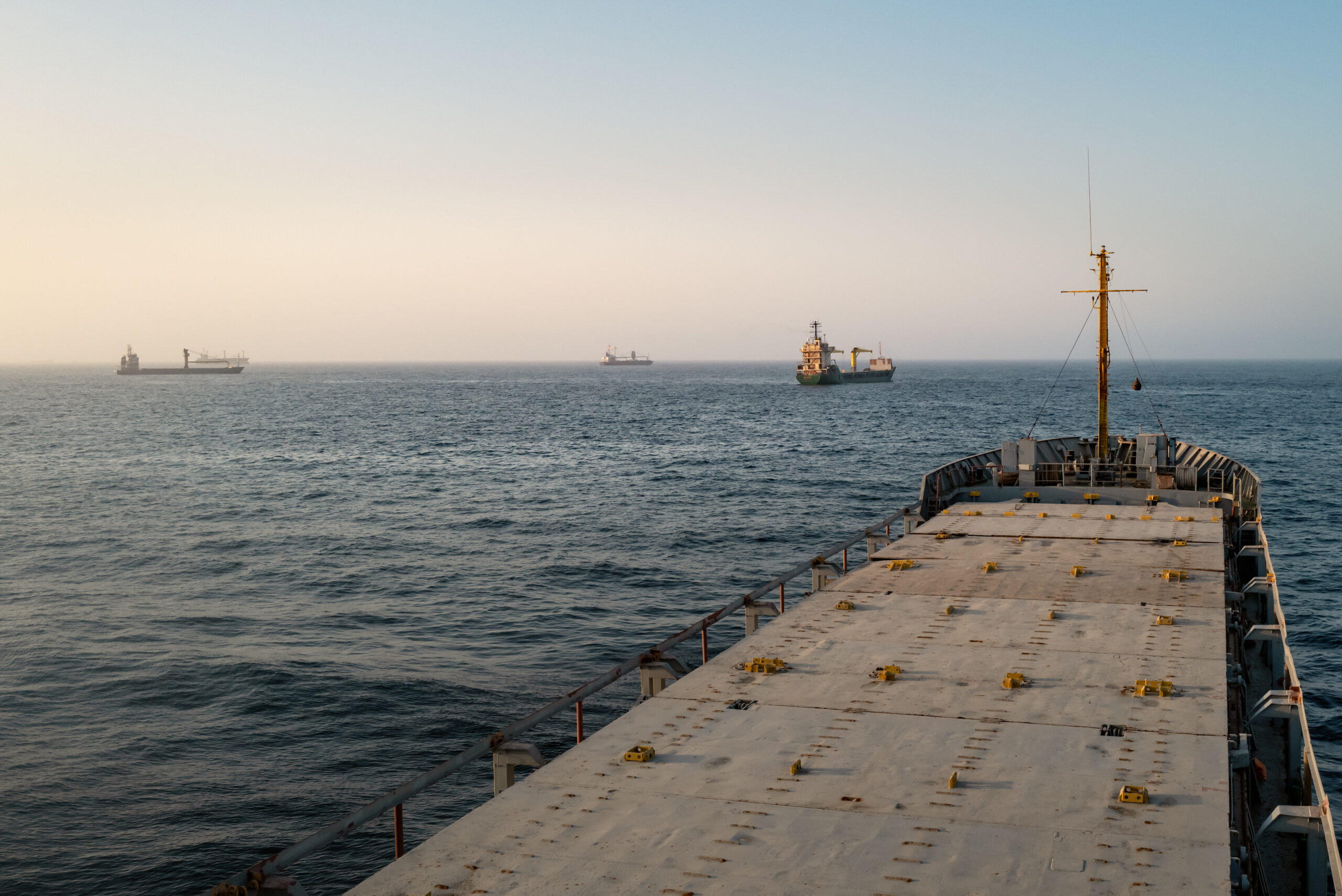
Japan received 93 percent of its oil through the Strait of Hormuz before the Feb. 28 start of the Iran war. Government assurances of adequate naphtha supplies have not stopped panic buying that has created distribution bottlenecks and shortages for industrial users.
Jun 5, 2:17 AM·1m read1 source
 Japan Times
Audio version
Tap play to generate a narrated version.
Developing·Limited corroboration so far. This page will refresh as more sources emerge.
Japan received 93 percent of its oil via the Strait of Hormuz before the Feb. 28 start of the Iran war. Officials stated that supplies of naphtha, an oil-derived feedstock, have been secured through next year, yet panic buying of naphtha-derived products has continued.
The buying has clogged distribution networks and produced on-the-ground shortages for end users in multiple industries. Businesses have raised concerns about obtaining sufficient volumes, the cost of those volumes, and whether added expenses can be absorbed or passed to customers.
During Thursday’s parliamentary budget committee, the head of the Centrist Reform Alliance told Prime Minister Sanae Takachi that the Anti-Hoarding and Price-Gouging Act could be applied. The law, if enforced, would affect businesses across the supply chain, the official said.
No end date has been set for the Iran war, and officials have not announced additional measures to address the naphtha constraints.
Transparency
How sources framed this
Single source — no framing comparison available.
CorroborationModerate · 1 source