Substrate
science

Japan Plans to Cut Sugi Tree Plantations by 20 Percent to Reduce Pollen

A 1950s government reforestation program planted millions of hectares of Japanese cedar and cypress trees. The resulting pollen has contributed to hay fever affecting an estimated 43 percent of the population.

bbc.com
1 source·May 19, 10:00 AM(10 days ago)·1m read
|
Japan Plans to Cut Sugi Tree Plantations by 20 Percent to Reduce Pollenbbc.com
Audio version
Tap play to generate a narrated version.

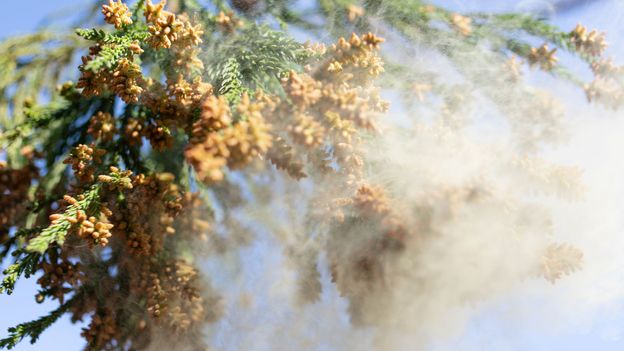
Japan is addressing widespread seasonal allergies linked to large-scale tree planting that began after World War Two. Government data show that 43 percent of the population experiences medium to severe hay fever symptoms each spring, compared with 26 percent in the UK and 12-18 percent in the US.

After wartime fuel shortages led to widespread deforestation, officials planted only Japanese cedar, known as sugi, and Japanese cypress, known as hinoki, across roughly 10 million hectares. These fast-growing species now cover one-fifth of the country's land area and release large volumes of lightweight pollen that drifts into urban areas.

The trees matured around 30 years ago and now produce more pollen each spring. 6 billion per day at the height of the season.

2023 the central government declared allergies a national social problem and set a target of reducing pollen levels by 50 percent within 30 years. The first step calls for cutting sugi plantation area by 20 percent while replacing removed trees to prevent soil erosion.

Local projects are already underway. Kobe city has selectively cleared more than 180 hectares of plantation forest and reports increased sightings of badgers, pond turtles, frogs and insects. The town of Nishiawakura has converted hinoki and sugi wood into heating fuel for eel farms and other products.

Officials say the work also supports goals to expand protected natural areas and reduce landslide risks linked to climate change.


Key Facts

43 percent
of Japanese population has medium to severe hay fever symptoms
10 million hectares
covered by sugi and hinoki plantations
$1.6 billion
daily economic loss at peak allergy season
20 percent
target reduction in sugi plantation area

Story Timeline

3 events
  1. Post-World War Two

    Japan began large-scale planting of sugi and hinoki trees on deforested land.

    1 sourcebbc.com
  2. 2023

    Central government declared allergies a national social problem and set 30-year pollen reduction target.

    1 sourcebbc.com
  3. 2020

    Kobe city began converting 180 hectares of plantation forest to broadleaf woodland.

    1 sourcebbc.com

Potential Impact

  1. 01

    Sales of anti-allergy medication and masks may remain elevated during spring months.

  2. 02

    Local governments may expand selective logging and replanting programs to meet national pollen targets.

  3. 03

    Demand for broadleaf seedlings and forestry labor could increase in affected prefectures.

Transparency Panel

Sources cross-referenced1
Confidence score65%
Synthesized bySubstrate AI
Word count240 words
PublishedMay 19, 2026, 10:00 AM
Bias signals removed2 across 2 outlets
Signal Breakdown
Loaded 1Amplifying 1

Related Stories

WHO Director Visits Congo as Ebola Outbreak SpreadsNpr
science4 hrs ago

WHO Director Visits Congo as Ebola Outbreak Spreads

The head of the World Health Organization arrived in Kinshasa to support efforts against a rare Ebola strain. Health workers face equipment shortages, community distrust, and armed conflict in affected provinces.

Npr
France 24
2 sources
FDA Panel Recommends XFG Variant for Fall Covid Shotsmedpagetoday.com
science2 hrs agoDeveloping

FDA Panel Recommends XFG Variant for Fall Covid Shots

Replimune will submit an application to the FDA for the third time. Pfizer and Innovent Biologics reached a collaboration agreement valued at up to $10.5 billion.

Stat
1 source
Benzinga Publishes Article on Biotech Stocks During Pandemic Recoveryfinance.yahoo.com
science6 hrs agoDeveloping

Benzinga Publishes Article on Biotech Stocks During Pandemic Recovery

Benzinga published an article titled 'Best Biotech Stocks Right Now' that addresses the sector's position during global recovery from the pandemic. The piece notes government institutions and professional traders are focusing on biotech companies for vaccine and booster developme…

Benzinga
1 source