politics
Japanese NATO Envoy Says Europe Can Maintain Stability If It Strengthens Defense as Alliance Prepares Ankara Summit
Osamu Izawa, Japan's ambassador to NATO, said in a Brussels interview that shared values make European stability a Japanese interest. He added that NATO remains unified ahead of its Ankara summit.
 The Japan Times
Audio version
Tap play to generate a narrated version.
Developing·Limited corroboration so far. This page will refresh as more sources emerge.
Japanese Ambassador to NATO Osamu Izawa said maintaining stability in Europe serves Japan’s interests because the two share fundamental values. Izawa, speaking in Brussels on Friday, July 3, said Europe could preserve that stability even if the Trump administration reduces its defense involvement, provided European nations strengthen their own capabilities.
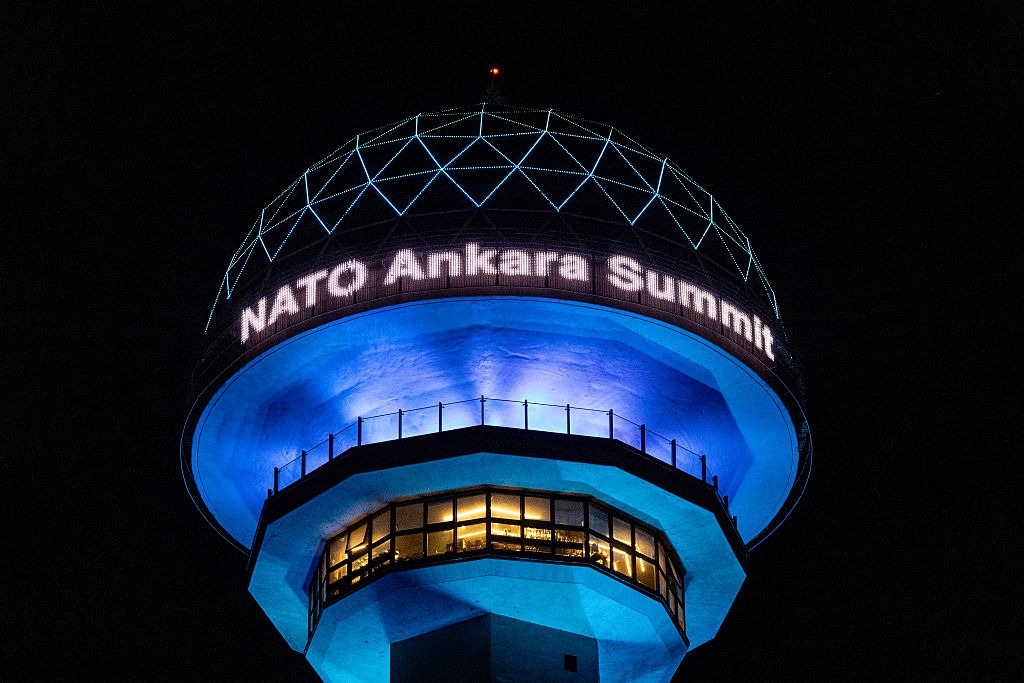
” A NATO summit is scheduled for Tuesday and Wednesday in Ankara.
Izawa said it is most important for the leaders of the alliance’s 32 member states to demonstrate the organization’s presence to the international community at the meeting. Japan and NATO have strengthened ties through support for Ukraine and defense-industry cooperation, Izawa said.
Four Japanese Self-Defense Forces personnel were sent last month to the NATO Security Assistance and Training for Ukraine headquarters in Germany.
Information and lessons from that mission will help improve Japan’s own security, he added. Izawa noted that North Korea has deployed troops to support Russia’s war with Ukraine and that China is also backing Moscow’s effort. He said the recognition that security in the Euro-Atlantic and Indo-Pacific regions is inseparable has grown within NATO.