finance
JPMorgan CEO Jamie Dimon Comments on Gas Prices and Russia-Ukraine Conflict
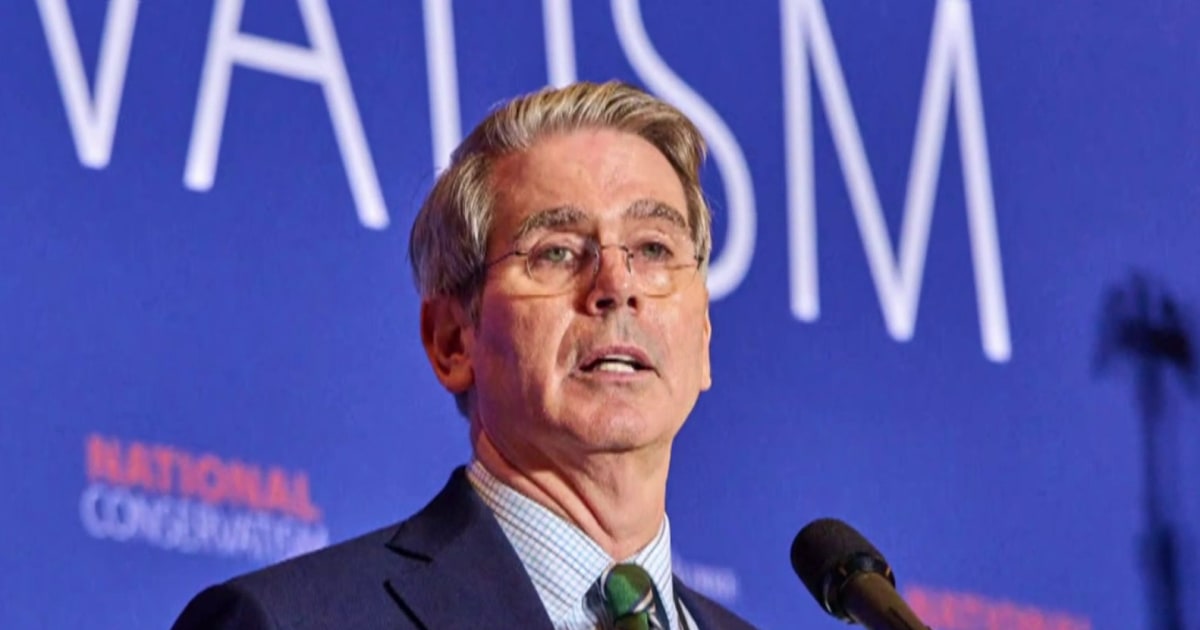
JPMorgan Chase CEO Jamie Dimon stated that rising gas prices will affect consumers but noted that many still have spending money and jobs. He described Russia as having engaged in harmful actions for 47 years and referred to its leadership as bad people. Dimon made these remarks amid discussions on the Russia-Ukraine situation.
Apr 5, 5:01 PM·1m read1 source
UN
 Substrate placeholder — needs review
Audio version
Tap play to generate a narrated version.
JPMorgan Chase CEO Jamie Dimon addressed the impact of rising gas prices on consumers during recent comments. He indicated that higher gas prices would hurt people to some extent but emphasized that consumers continue to have money to spend and maintain employment.
Dimon spoke in the context of global energy market pressures, particularly those linked to the ongoing conflict between Russia and Ukraine. He referenced statements from others claiming that Russia did not pose an imminent threat, countering that view with observations on Russia's historical actions.
Dimon's remarks highlight the balance between inflationary pressures from energy costs and the resilience of the U.S. job market. As of the latest reports, average U.S. gas prices have risen due to supply disruptions from geopolitical tensions. This affects households nationwide, particularly those reliant on vehicles for daily commuting and essential travel.
The CEO's perspective comes as JPMorgan Chase, one of the largest U.S. banks, monitors economic indicators closely. Higher energy costs contribute to broader inflation concerns, influencing Federal Reserve policy decisions and consumer spending patterns.
Dimon noted that Russia has been involved in actions deemed harmful for 47 years, dating back to the Soviet invasion of Afghanistan in 1979. He characterized those responsible as bad people, underscoring a long history of international conflicts involving the country.
The current Russia-Ukraine war, which began with Russia's full-scale invasion on February 24, 2022, has exacerbated global energy prices. This conflict affects not only European security but also worldwide commodity markets, with implications for U.S. consumers and businesses.
Looking ahead, stakeholders including policymakers, businesses, and international organizations are assessing potential escalations or resolutions. Dimon's comments reflect banking sector views on how geopolitical events intersect with economic stability. Further developments in the conflict could influence energy prices and inflation trajectories in the coming months.