Substrate
politics

Justice Department Demands Four States Issue Vehicle Registrations to ICE for Undercover Use

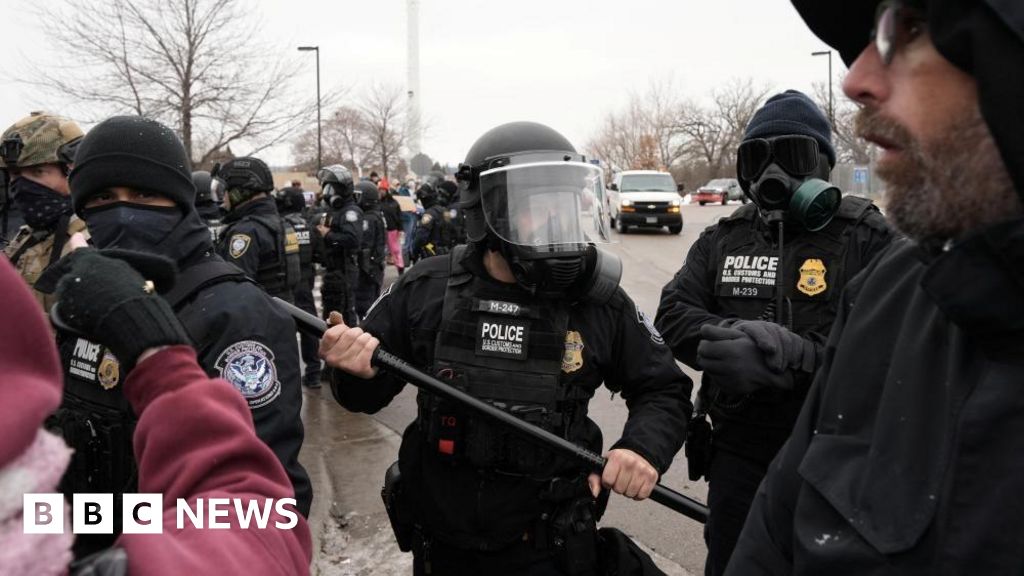
The Justice Department sent letters to officials in Oregon, Massachusetts, Washington and Maine demanding they change policies that restrict vehicle registrations for undercover ICE operations. The department said the restrictions treat federal agencies differently from state and local law enforcement and could violate the Constitution. Acting U.S.

The Washington Times
1 source·May 13, 4:47 PM(16 days ago)·2m read
Justice Department Demands Four States Issue Vehicle Registrations to ICE for Undercover Usebbc.co.uk
Audio version
Tap play to generate a narrated version.
Developing·Limited corroboration so far. This page will refresh as more sources emerge.

The Justice Department said Wednesday that officials in four Democrat-led states are refusing to issue vehicle registrations to Immigration and Customs Enforcement officers working undercover. The department sent letters to the governors of Oregon and Massachusetts and the attorneys general in Washington and Maine demanding they revoke the policies.

Assistant Attorney General Brett Shumate released the letters publicly and wrote on social media that the restrictions are dangerous, shameful and unconstitutional.

Vehicle registrations for undercover work allow agents to blend in with regular traffic while conducting operations with less visibility. Shumate said Oregon refuses to license any federal law enforcement vehicles. Maine will only grant a license after the federal agency proves the vehicle will not be used for immigration enforcement.

Washington issues registrations to some federal agencies but not those under Homeland Security. Massachusetts specifically targets ICE and offers civilian undercover registrations only if the agency proves the vehicles are for criminal investigations and not civil immigration enforcement. Treating federal agencies differently from state and local ones has created legal issues in the past.

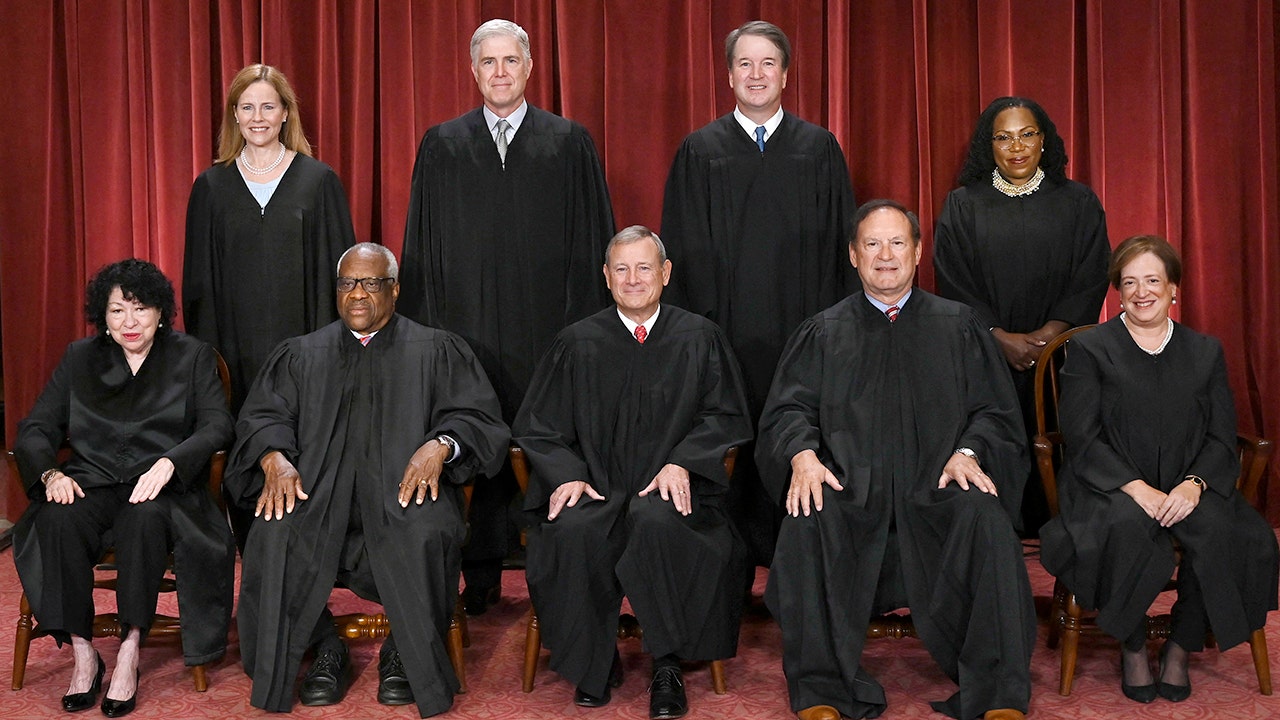
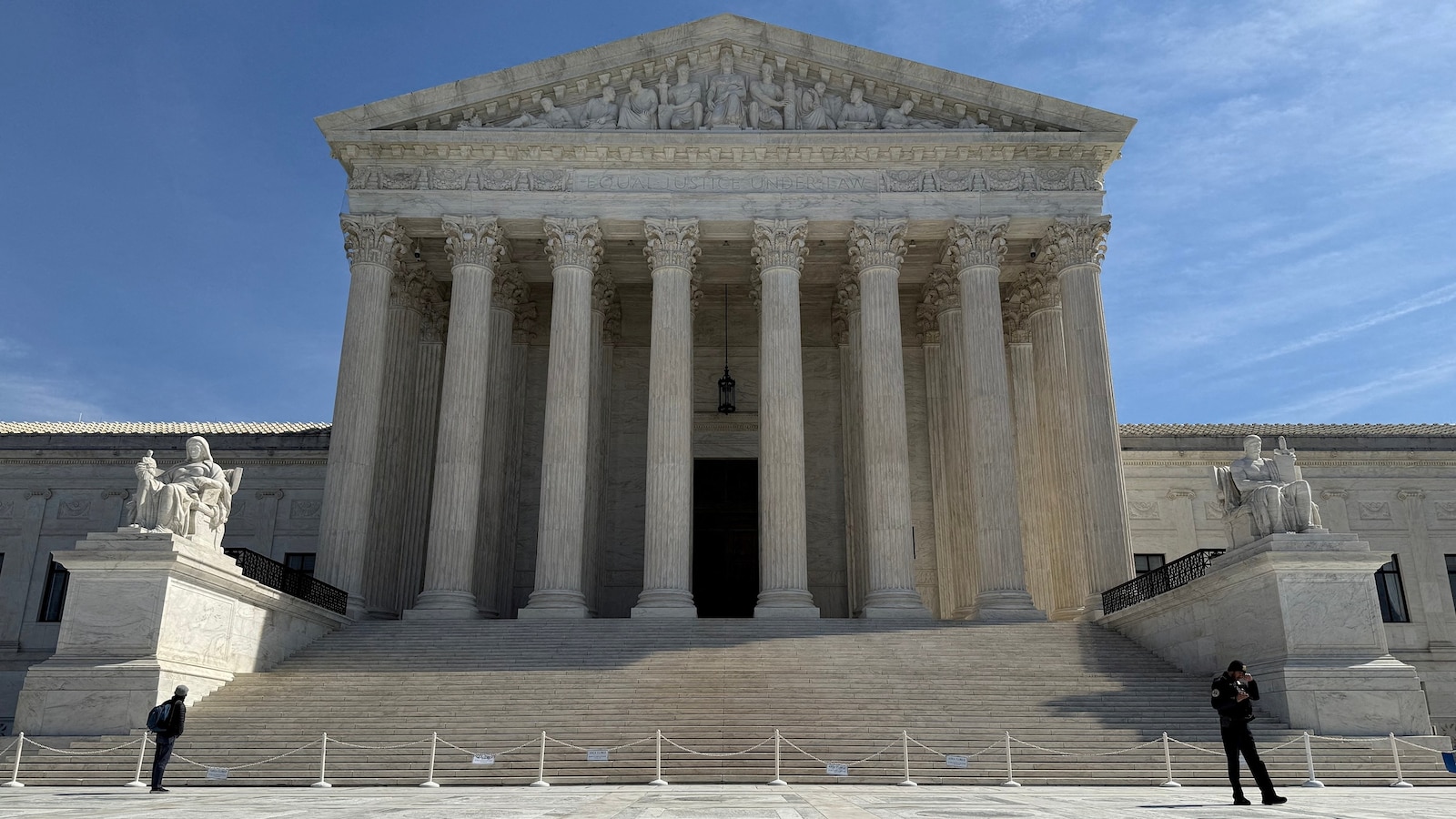
A judge previously blocked a California law that barred federal immigration authorities from wearing masks while on duty, ruling that it violated the Constitution by discriminating against federal operations. Acting U.S. Attorney General Todd Blanche signaled that the states denying registrations would face similar legal action.
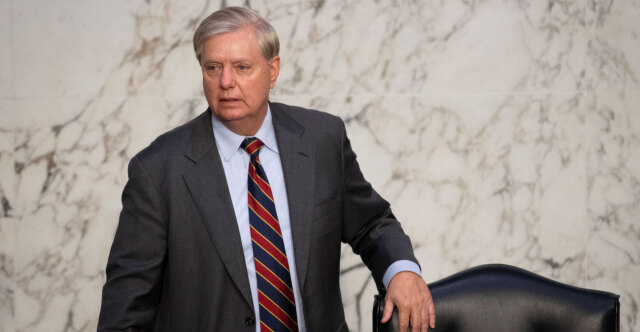
He wrote on social media that sanctuary policies obstructing ICE from performing its lawful mission to protect public safety are inexcusable. " — Acting U.S. Attorney General Todd Blanche (The Washington Times) The Washington Times has contacted the four states for comment on the demands.

The registration restrictions form part of a broader pattern of resistance from some Democrat-led states to the current administration's immigration policies. The Justice Department's efforts to challenge such state policies have produced mixed court outcomes. One state's attempt to bar federal immigration authorities from wearing masks was blocked by a district judge.

A federal appeals court halted another state's requirement for ICE officers to wear identifying name tags or badge numbers. In New York, however, a federal judge upheld a policy that bars ICE from making immigration arrests inside state courthouses.

The judge in the New York case ruled that the state provides courthouse security and that ICE arrests there amounted to commandeering the state for federal purposes.

Key Facts

Four states
Oregon, Massachusetts, Washington, Maine restrict ICE undercover registrations
Justice Department
sent demand letters to governors and attorneys general
Oregon policy
refuses to license all federal law enforcement vehicles
Massachusetts policy
targets ICE, requires proof of criminal not civil use
Prior court ruling
California anti-masking law blocked under Supremacy Clause

Potential Impact

  1. 01

    ICE undercover operations in the four states could face continued visibility constraints.

  2. 02

    States may revise vehicle registration policies to avoid federal legal challenges.

  3. 03

    Federal courts may again review whether state policies violate the Supremacy Clause.

  4. 04

    Broader disputes between the administration and states over immigration enforcement may escalate.

Transparency Panel

Sources cross-referenced1
Confidence score65%
Synthesized bySubstrate AI
Word count384 words
PublishedMay 13, 2026, 4:47 PM
Bias signals removed4 across 2 outlets
Signal Breakdown
Loaded 2Framing 1Editorializing 1

Related Stories

Trump Meets Advisers to Decide on Iran Ceasefire ExtensionBBC News
politics30 min ago

Trump Meets Advisers to Decide on Iran Ceasefire Extension

President Trump said he is holding a Situation Room meeting to make a final decision on a possible deal with Iran. The proposed agreement would extend the ceasefire by 60 days and reopen the Strait of Hormuz.

Al Jazeera
JA
MA
AF
AJ
+6
11 sources
Trump to Decide on Iran Deal in Situation Room Meetingmiddleeasteye.net
politics30 min ago

Trump to Decide on Iran Deal in Situation Room Meeting

President Trump said Friday he is heading into the Situation Room to make a final determination on a potential agreement with Iran. The proposed deal would reopen the Strait of Hormuz without tolls and require destruction of Iran's highly-enriched uranium.

LI
Just the News
CBS News
3 sources
Trump Says U.S. Will Lift Iran Naval Blockade After Nuclear and Hormuz Pledgesrealitytea.com
politics2 hrs agoDeveloping

Trump Says U.S. Will Lift Iran Naval Blockade After Nuclear and Hormuz Pledges

President Trump stated the U.S. will end its naval blockade of Iran once Tehran commits to forgoing nuclear weapons and opens the Strait of Hormuz to unrestricted shipping. The announcement came via Truth Social and a live statement.

FI
LI
MA
3 sources