world
Kenya Transport Operators Strike Nationwide Over Record Fuel Prices
Public transport operators across Kenya launched a nationwide strike to protest sharp increases in fuel prices. Key roads in Nairobi stayed largely empty and some schools directed students to remain at home.
May 18, 5:40 AM·1m read2 sources
 bbc.co.uk
Audio version
Tap play to generate a narrated version.
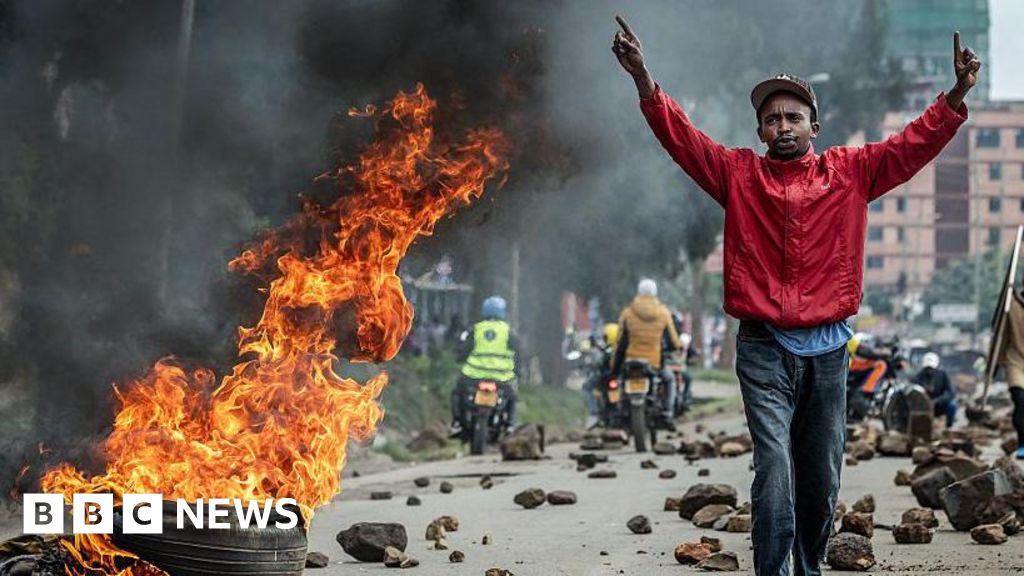
Public transport operators across Kenya began a nationwide strike on Monday to protest recent record increases in fuel prices. Thousands of commuters were left without service and many businesses in Nairobi remained closed. Key roads stayed largely empty, forcing some residents to walk to work.
Local television showed protesters barricading roads and lighting fires in parts of the capital and other areas.
The Energy and Petroleum Regulatory Authority raised maximum fuel prices on Thursday to 242 shillings per litre for both diesel and petrol. The increases exceeded 20 percent and followed a reduction in value-added tax on fuel from 16 percent to 8 percent last month.
Kenya imports most of its fuel from the Gulf region. Supply routes have been affected by the US-Israel conflict with Iran that began on 28 February, and the Strait of Hormuz remains blocked despite a declared ceasefire.
Treasury Minister John Mbadi told local NTV that the price rise was "unfortunate" and acknowledged its impact on the economy. He described the strike as "completely uncalled for" and said decisions would be informed rather than emotional. The Transport Sector Alliance urged all vehicle users, including private motorists and truckers, to stay off the roads.
The group called for the price increases to be reversed and for fuel prices to fall by about 35 percent. " — Transport Sector Alliance, statement Police used tear gas to disperse some demonstrations and warned against disruptive conduct. Reports indicated that protesters stopped and harassed certain motorists during the clashes.
The high cost of fuel has already contributed to higher prices for food and other goods, with public service vehicles raising commuter fares in advance of the strike.