Kershaw County Man Pleads Guilty to Crack Cocaine Distribution
Van Lydell Starling, 48, of Kershaw, South Carolina, pleaded guilty in federal court to possession with intent to distribute crack cocaine. The conviction triggers mandatory federal sentencing proceedings that will determine prison term, supervised release and fines under U.S. Sentencing Guidelines for Schedule II narcotics.
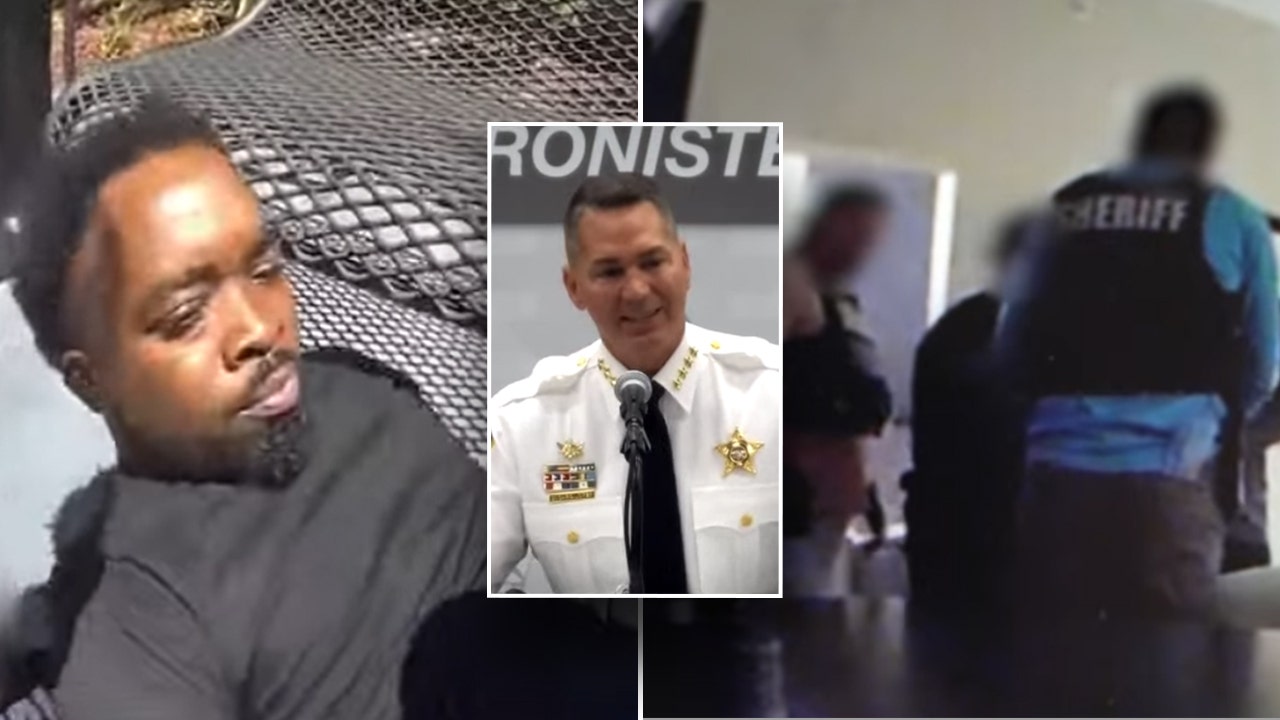 foxnews.com
COLUMBIA, S.C. — Van Lydell Starling, 48, of Kershaw, pleaded guilty to possession with the intent to distribute crack cocaine, the U.S. Department of Justice announced on June 1, 2026.
The single-count guilty plea covers Starling’s admitted conduct involving crack cocaine, a Schedule II controlled substance. Federal prosecutors did not release the precise quantity involved in the plea agreement. Under federal law, penalties for possession with intent to distribute crack cocaine range from five to 40 years in prison for first-time offenders depending on weight, with mandatory minimums applying at higher quantities.
The plea changes Starling’s legal status from defendant to convicted felon. Sentencing has not yet been scheduled. Once sentenced, Starling will face a term of imprisonment followed by supervised release. The conviction also carries collateral consequences that include loss of certain federal benefits, firearms restrictions and potential impacts on employment and housing eligibility.
Downstream, the U.S. Probation Office must prepare a presentence investigation report. The U.S. Attorney’s Office for the District of South Carolina will submit its sentencing memorandum. The court must then apply the U.S. Sentencing Guidelines, calculate the advisory range and decide any departures or variances.
Starling’s counsel can still argue for a lower sentence within the statutory range. The final judgment will set a specific prison term, fine amount and length of supervised release that begins immediately upon release from custody.
This case is one of multiple federal crack-cocaine distribution prosecutions handled by the U.S. Attorney’s Office in South Carolina in recent years. The Department of Justice has pursued such cases under Title 21 U.S.C. § 841, the primary statute governing intentional distribution and possession with intent to distribute controlled substances.
The guilty plea resolves the criminal charge without trial and initiates the formal federal sentencing process that dictates the operational outcome for the convicted individual.
Primary sources: U.S. Department of Justice press release dated June 1, 2026.
Coverage spread
Substrate’s article above is written from the primary record. Below: how mainstream outlets reported the same event.
No mainstream coverage of this story has surfaced yet.
Transparency
Reported by a single outlet. This score reflects source tier and factual specificity — corroboration is limited with one source.
Related Stories
 Axios
AxiosLebanese Parliament Speaker Offers Full Ceasefire with Israel
Nabih Berri told U.S. officials that Hezbollah is prepared for an immediate, comprehensive ceasefire covering land, air and sea operations. The proposal came after the Trump administration suggested a narrower truce limited to northern Israel and Beirut.
 gamereactor.eu
Medal of Honor Recipient Florent Groberg Credits Military Medicine for Recovery at 2026 MHS Conference
Retired Army Capt. Florent Groberg delivered the keynote address at the 2026 Military Health System Conference in Dallas on June 1, recounting his combat survival and subsequent mental health treatment. The presentation highlights the role of Department of Defense medical program…
 Newsweek
Supreme Court Weighs Challenge to Trump Birthright Citizenship Order
President Trump posted on Truth Social that the court system is rigged and could strike down his 2025 executive order narrowing birthright citizenship. The Supreme Court is considering consolidated cases from three states after hearing oral arguments.