finance
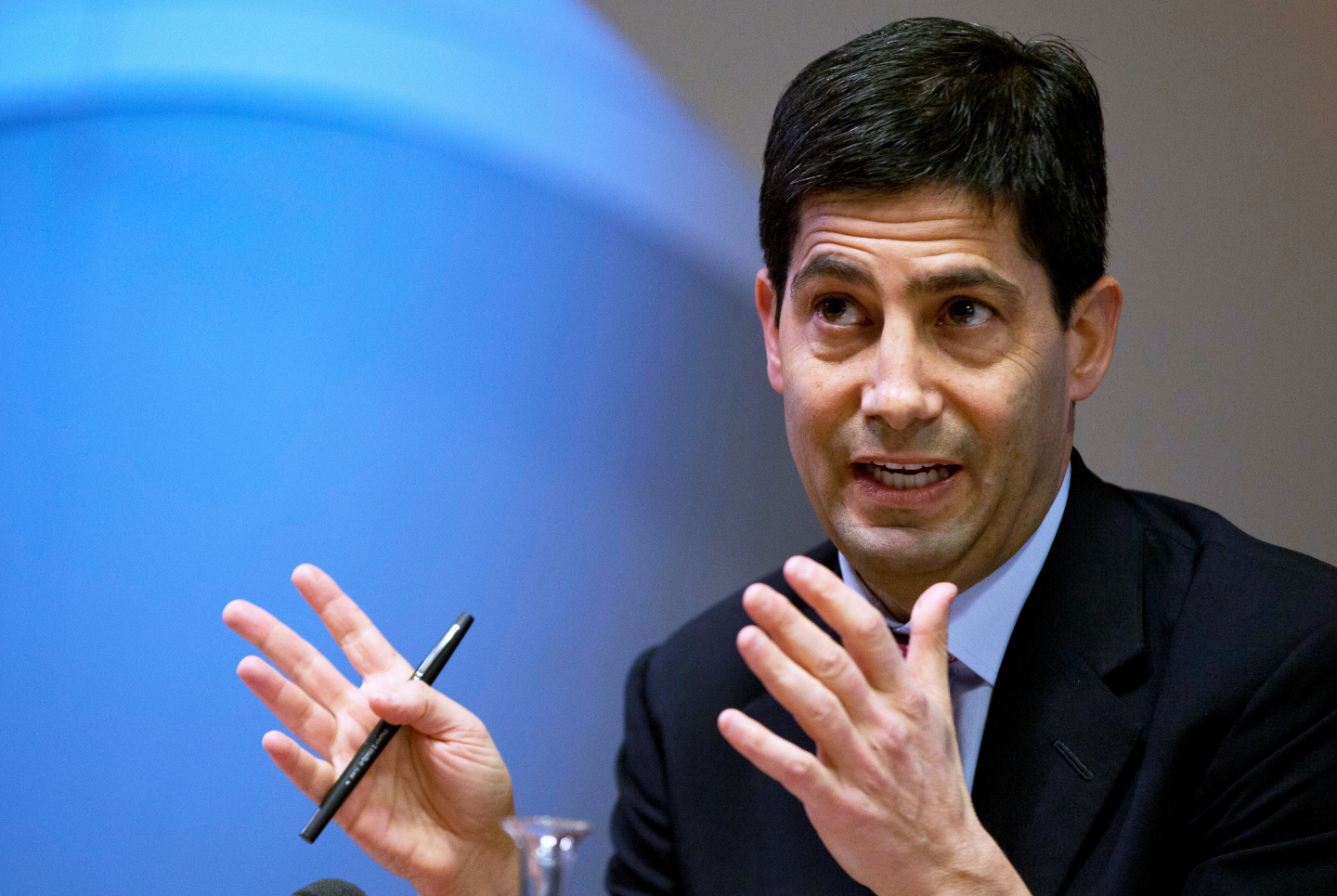
Kevin Warsh Begins Tenure as Federal Reserve Chairman
Kevin Warsh has assumed the role of Federal Reserve chairman amid economic pressures including artificial intelligence developments, geopolitical tensions, and inflation concerns. The transition follows a Senate Banking Committee hearing where partisan divisions were evident.
May 17, 10:26 AM·1m read1 source
FO
 realclearmarkets.com
Audio version
Tap play to generate a narrated version.
Kevin Warsh has taken over as chairman of the U.S. Federal Reserve at a time when the central bank faces multiple economic challenges. Artificial intelligence developments are expected to affect economic structures, geopolitical tensions continue, and inflation remains elevated at 3.5 percent with potential to reach 4 percent in the near term.
Republicans supported Warsh's nomination while Democrats expressed reservations. Wall Street analysts are monitoring his policy approach for potential effects on markets and investor sentiment.
Warsh has criticized previous Federal Reserve decision-making and favors a more dovish policy stance. At the most recent Federal Open Market Committee meeting, regional presidents from Minneapolis, Dallas, and Cleveland dissented from the post-meeting statement, citing concerns about signaling a potential rate cut.
David Doyle, head of economics at Macquarie, stated that confidence in the institution would increase if Warsh emphasizes collegiality and open-mindedness in his early days. Jack Manley, a global market strategist at J.P. Morgan Asset Management, noted that a unified front is critical for forward guidance to remain effective.
Joe Brusuelas, chief economist at RSM, warned that premature action could inject unnecessary risk into an economy reliant on liquidity and leverage. Warsh has also expressed interest in changing forward guidance practices, including reduced reliance on tools like the dot plot.
Eric Winograd, chief U.S. economist at Alliance Bernstein, said it remains unclear whether regulatory tweaks alone would suffice or whether deeper changes are planned.
Central bank independence remains a key question for Warsh's tenure. Aditya Bhave, head of U.S. economics at Bank of America, stated that data-driven decisions would address concerns while non-data-driven actions would raise flags. Brusuelas added that a clear statement in Warsh's first speech outlining inflation risks could help address questions about independence.