Kew Report: 40% of Assessed Plants at Extinction Risk While Digitisation and New Species Discoveries Advance
Royal Botanic Gardens, Kew released its 2026 State of the World’s Plants and Fungi report, documenting extinction threats and new tools for discovery.
 The Guardian
Royal Botanic Gardens, Kew released a major report in June 2026 stating that about 40% of the 70,000 assessed plant species are at risk of extinction. Another 330,000 plant species have yet to be assessed, and an estimated 100,000 plant species remain unnamed by scientists. The report was produced by 400 scientists across 40 countries.
For fungi the gaps are larger. The report states that 90% of an estimated 2 million fungal species are still unknown to science and that less than 1% of known fungal species have been assessed for extinction risk. 4 million of its specimens after a four-year programme that reached a peak rate of 20,000 high-resolution images per day.
The specimens are now freely available online. Globally, 145 million digital plant and fungi specimens exist, representing less than 16% of the total held in herbaria. 5 days per decade over the last century.
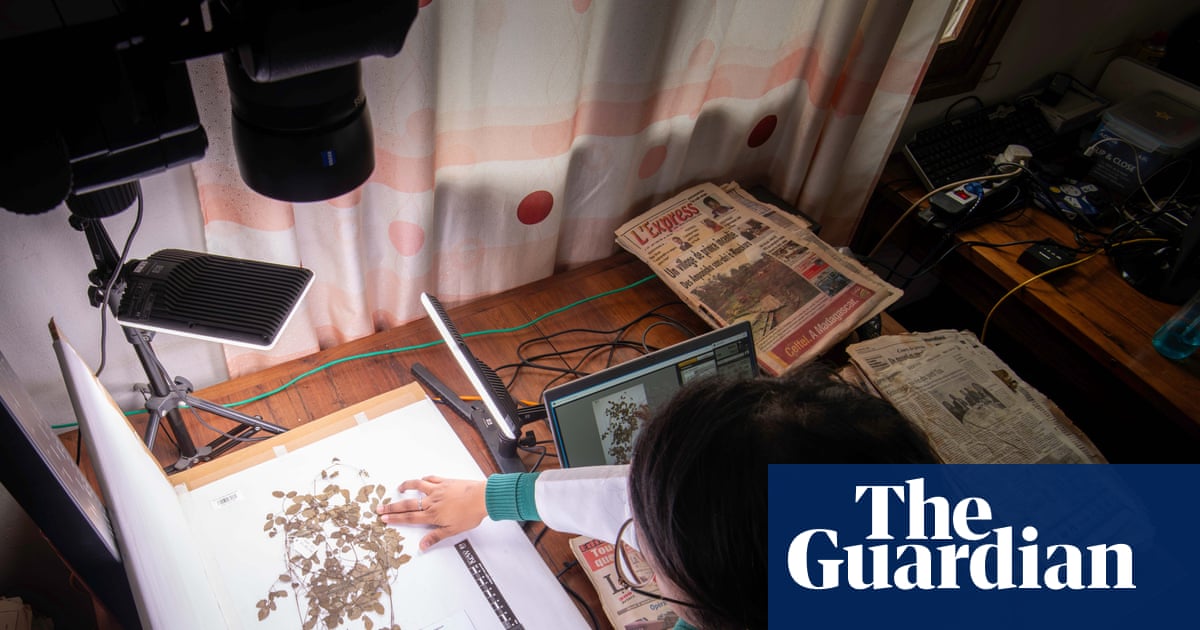
A separate study using herbarium specimens showed that the proportion of kindal trees in India’s Western Ghats flowering simultaneously fell from about 80% to less than half by the 1990s. Kew Madagascar digitised 37,000 physical plant specimens. ” Scientists produced high-quality genomes from fungus specimens up to 180 years old.
The report describes historical fungarium specimens as a potential “genomic goldmine” for new medicines and disease-outbreak prediction. Three newly described species appear in the report’s top 10 for 2024: Pisolithus madagascariensis, a gasteroid fungus endemic to Madagascar; Russula neopascua, a ‘fishy’ toadstool from the High Rockies of Colorado and Montana; and Fomitopsis solaris, a bracket fungus now recognised across Sweden, Canada, Israel and Argentina after DNA analysis split a previously known species.