ai
Labour MP files lawsuit against xAI over AI-generated images
A member of Parliament submitted a claim in London high court alleging that xAI's Grok tool created non-consensual sexualised images of her. The case seeks to test liability rules for AI developers.
Jun 3, 1:48 PM·1m read1 source
 flipboard.com
Audio version
Tap play to generate a narrated version.
Developing·Limited corroboration so far. This page will refresh as more sources emerge.
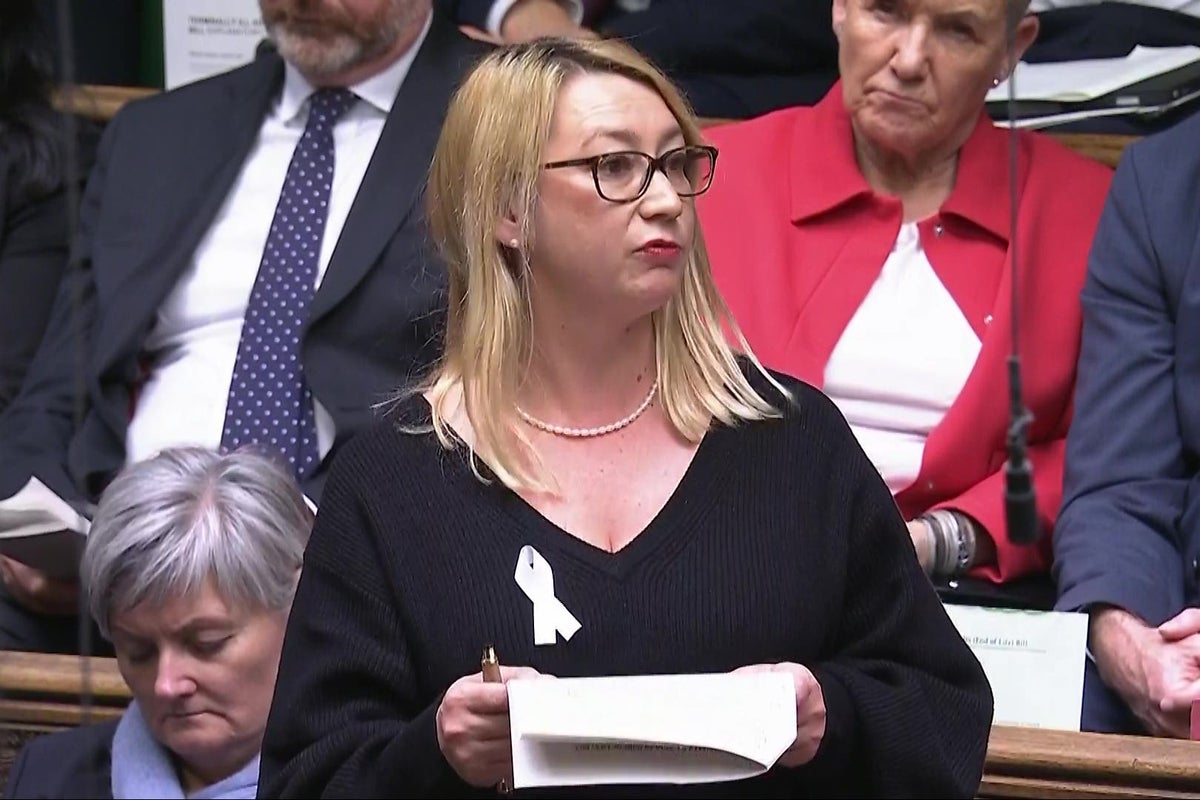
A Labour member of Parliament has filed a lawsuit in London's high court against xAI, alleging the company's Grok tool generated non-consensual sexualised images of her. The MP for Lowestoft stated that Grok produced images showing her in a bikini and a video depicting her being chloroformed and prepared for sexual assault.
She said the images appeared after she publicly criticised the creation of such material. The claim alleges breaches of data protection laws and misuse of private information. It argues that xAI, now a subsidiary of SpaceX, should be held responsible for the outputs users create with its tools.
Background to the case The MP told the Financial Times that the images were generated after she condemned non-consensual sexualised pictures. She said the lawsuit aims to rebalance individuals' rights against large technology companies. Her lawyer stated that developers must answer for how they design and deploy their tools.
The lawyer argued that an image designed to look like a person and intended to degrade them should be treated as an image of that person. A similar lawsuit was filed in New York state by another individual who alleged Grok generated explicit images of her, including one in which she appeared underage.
Government response The UK government threatened action against X in January after Grok produced large quantities of sexualised imagery based on real women and children. The media regulator launched an inquiry. X initially said it would restrict such image generation to paying users, then announced it had stopped Grok from editing pictures of real people to show them in revealing clothes.
The MP's case could establish precedent for how much responsibility AI companies bear for content users generate with their systems.


