Substrate
politics

Labour Loses Seats in UK Local and Regional Elections

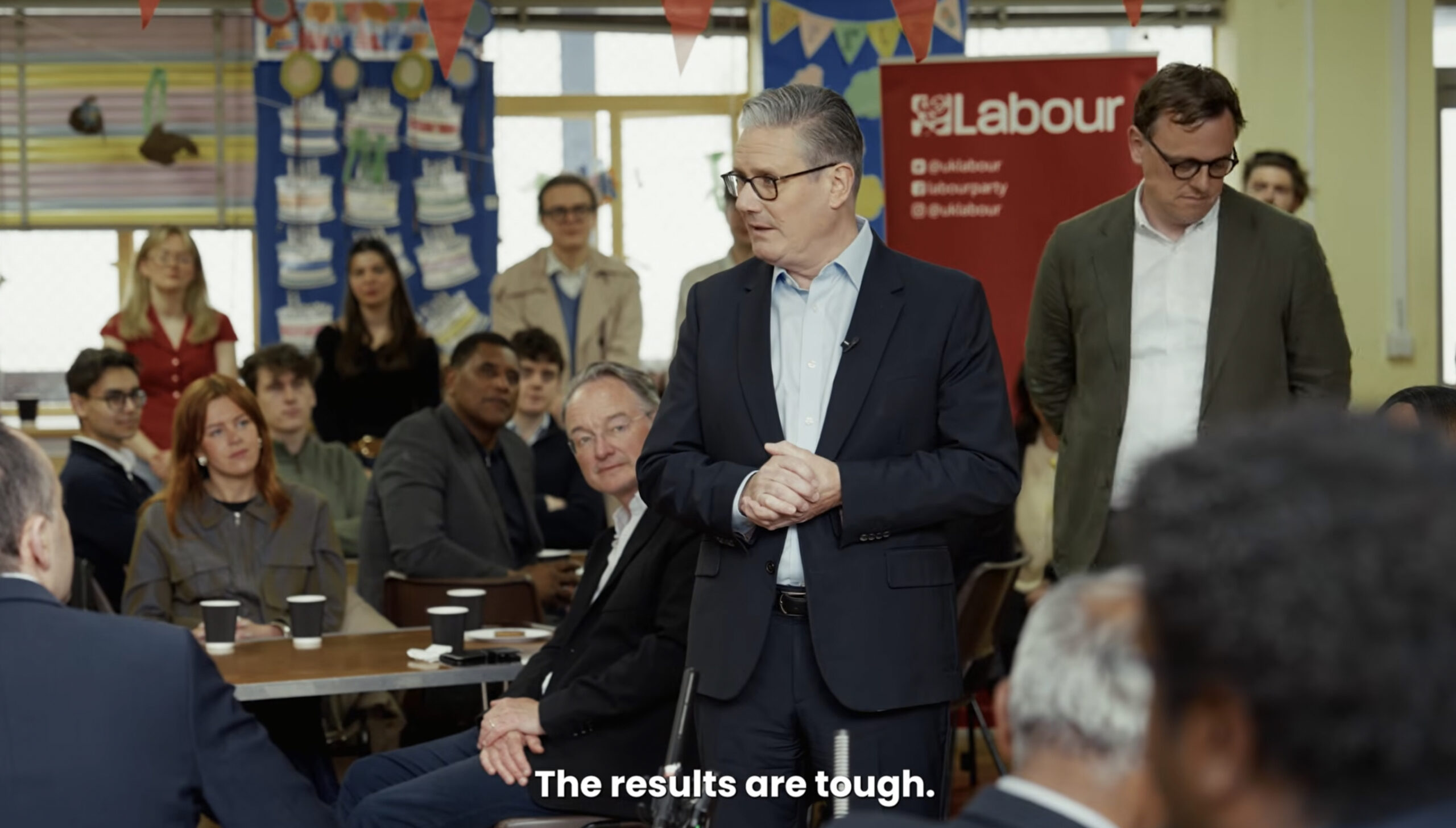
Voters delivered sharp defeats to the ruling Labour Party in Thursday's local council elections across England as well as elections in Scotland and Wales. Reform UK made large gains while smaller parties including the Greens and nationalists also advanced. Prime Minister Keir Starmer vowed to remain in office despite the results, which do not affect the national Parliament.

csmonitor.com
AF
The Federalist
3 sources·May 8, 6:05 PM(3 hrs ago)·3m read
Labour Loses Seats in UK Local and Regional ElectionsThe Federalist
Audio version
Tap play to generate a narrated version.

Voters in the United Kingdom delivered a sharp rebuke to the ruling Labour Party in local and regional elections held on Thursday, with the party losing more than 1,300 seats across England while Reform UK gained over 1,400. Results released Friday showed Labour losing control of multiple councils, including in former industrial strongholds where the party had long dominated.

Reform UK secured a majority of contested seats in at least one such area, reflecting widespread dissatisfaction with the national government on issues including immigration, local services and economic conditions. The elections, which covered town and district councils as well as seats in the devolved parliaments of Scotland and Wales, functioned as a de facto referendum on Prime Minister Keir Starmer's leadership less than two years after Labour took power.

Starmer said he would remain in office and focus on delivering results for voters.

Labour recorded a net loss of 1,360 seats in English council elections while Reform UK recorded a net gain of 1,419 seats as of Friday. The party also lost ground in Scotland's Holyrood parliament and in Wales, where the first minister lost her seat.

In one former Labour stronghold on the outskirts of Manchester, 13 of 20 contested seats went to Reform UK, leaving the council with no overall control. Similar shifts occurred across multiple regions, with voters citing neglect of local infrastructure, underfunding and frustration over national policies on migration.

One newly elected Reform UK councillor described chronic underfunding in his ward that had led to the loss of public facilities over nearly four decades. Voters interviewed at polling stations expressed particular concern about small boat crossings in the English Channel and called for stronger measures on immigration and support for British citizens.

The Green Party gained 498 local seats and won two London mayoral races previously held by Labour. Its leader declared that two-party dominance in British politics was over. In Wales, the nationalist Plaid Cymru secured 43 seats in the Senedd while Reform UK took 34 and Labour managed only nine.

These shifts point to a fragmenting political landscape in which voters are increasingly willing to support parties outside the traditional Labour-Conservative duopoly. Local councils in many areas now lack a single party in overall control, requiring negotiation and compromise among multiple groups.

Starmer has vowed to remain as Britain's prime minister after the local elections saw his centre-left Labour party humiliated across the UK, with disillusioned Britons backing hard-right and nationalist parties. >"I think people in this town and this borough are fed up and have made their voice very loud and clear at this election.

They’re fed up with the wanton disregard of concerns. " — Reform UK councillor, May 8, 2026 (Christian Science Monitor) Analysts noted that while local elections often feature protest votes and lower turnout, the scale of the shift suggested deeper disillusionment.

Some voters who backed Labour did so only because they saw no viable alternative, with several expressing a desire for the party to show more resolve on key issues. The current first-past-the-post electoral system has historically favored larger parties through tactical voting.

Experts warned that if smaller parties sustain their momentum, the same mechanics could accelerate losses for Labour and the Conservatives in future national elections, potentially producing rapid and dramatic changes in representation. The results do not alter the composition of the national Parliament in Westminster and will have limited direct effect on nationwide policy.

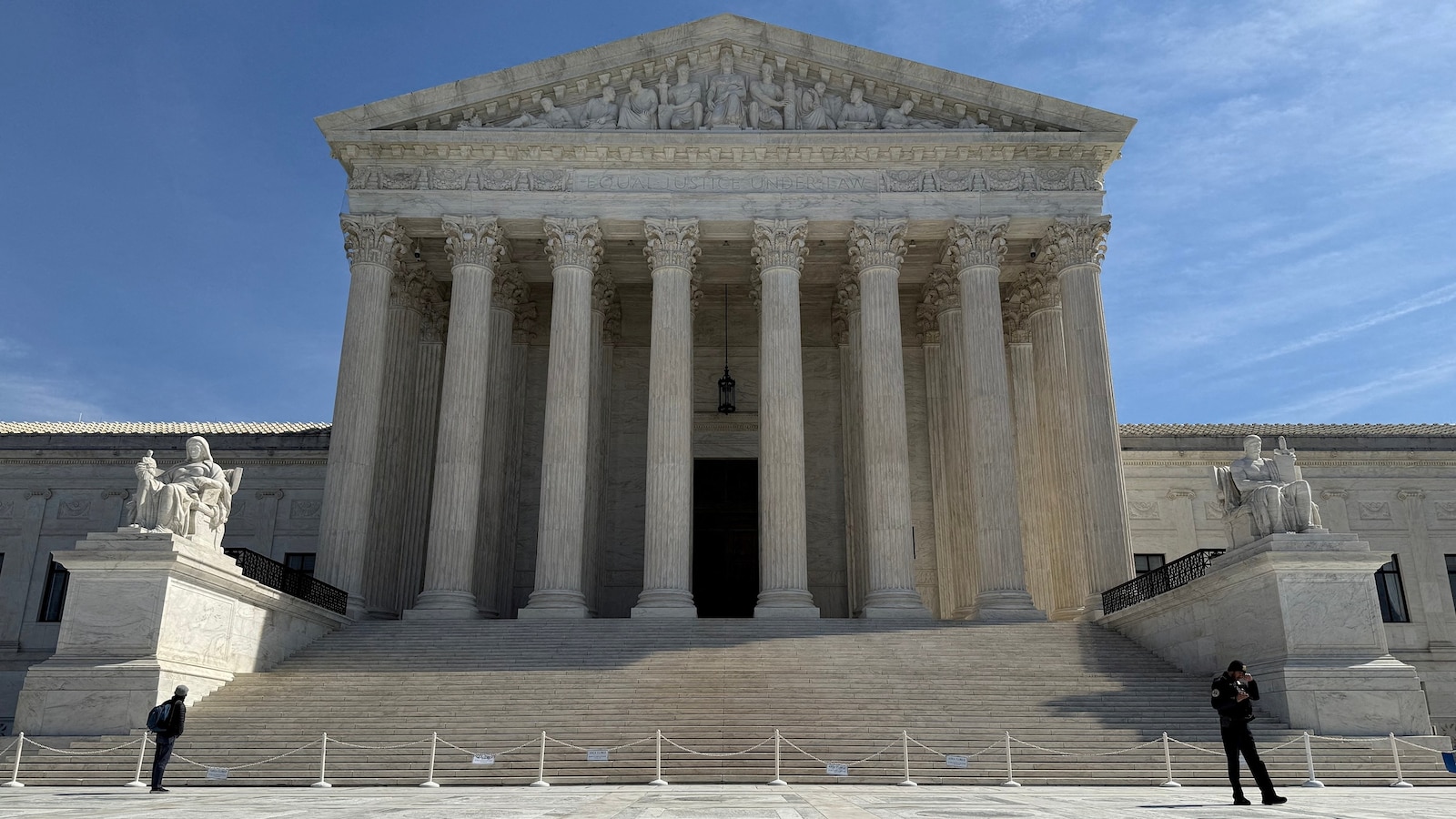
However, they are expected to intensify pressure on the government ahead of the next general election.

Key Facts

1,360
net seats lost by Labour in English councils
1,419
net seats gained by Reform UK
498
local seats won by Green Party
No overall control
in multiple councils after results
May 8, 2026
results announced following Thursday vote

Story Timeline

5 events
  1. May 7, 2026

    Voters across the UK cast ballots in local council elections and devolved parliament elections in Scotland and Wales.

    3 sourcescsmonitor.com · @AFP
  2. May 8, 2026

    Vote counting continued overnight with early results showing heavy losses for Labour and gains for Reform UK.

    2 sourcescsmonitor.com
  3. May 8, 2026 — morning

    Final results confirmed Labour lost control of multiple councils including Oldham while Reform UK secured large gains.

    2 sourcescsmonitor.com
  4. May 8, 2026

    Keir Starmer vowed to remain as prime minister despite the poor performance.

    2 sources@AFP · csmonitor.com
  5. May 8, 2026

    Green Party and nationalist parties also recorded significant seat gains in various regions.

    2 sourcescsmonitor.com

Potential Impact

  1. 01

    Reform UK and smaller parties are positioned to build momentum ahead of the next general election.

  2. 02

    Many local councils will require cross-party negotiations to govern after losing single-party majorities.

  3. 03

    The traditional two-party system faces further erosion as voters shift to alternatives.

  4. 04

    Pressure will increase on the Labour government to adjust policies on immigration and local services.

  5. 05

    First-past-the-post system may accelerate losses for major parties if smaller ones sustain polling strength.

Transparency Panel

Sources cross-referenced3
Framing risk68/100 (moderate)
Confidence score85%
Synthesized bySubstrate AI
Word count621 words
PublishedMay 8, 2026, 6:05 PM
Bias signals removed7 across 2 outlets
Signal Breakdown
Loaded 4Editorializing 2Framing 1

Related Stories

Trump Administration Appeals Trade Court Ruling on 10% Global Tariffswwd.com
politics1 hr agoFraming60Framing risk60/100Rewrite inherits consensus framing that portrays Trump tariffs as repeatedly unlawful and harmful while centering judicial rebukes and refund windfalls over policy substance.Click to jump to full framing analysis

Trump Administration Appeals Trade Court Ruling on 10% Global Tariffs

The Court of International Trade ruled this week that the 10% tariff on most imports exceeded presidential authority under Section 122 of the Trade Act of 1974. The Trump administration appealed the decision on Friday while the duty remains in place.

The New York Times
Benzinga
CBS News
3 sources
Poland Offers to Host US Troops Withdrawn From GermanyThe Hill
politics1 hr agoUpdated

Poland Offers to Host US Troops Withdrawn From Germany

Polish officials said the country is prepared to accept more American service members after President Trump signaled plans to pull 5,000 troops from Germany. The offer was made publicly during NATO exercises in Lithuania. Poland already hosts several thousand U.S. personnel and h…

Bloomberg
The Hill
oann.com
3 sources
Spirit Airlines Files for BankruptcyThe Japan Times
politics1 hr agoUpdated

Spirit Airlines Files for Bankruptcy

The ultra-low-cost carrier launched in 1992 will cease operations in May 2026, removing a major disruptor from the U.S. market. Global airlines canceled 13,000 flights in May amid soaring fuel costs triggered by the closure of the Strait of Hormuz. Toyota reported a £3bn hit from…

The Japan Times
BBC News
The Guardian
CNBC
New York Post
+1
6 sources