finance
Lagarde Calls for Europe to Prioritize ECB Digital Euro Over Private Stablecoins
European Central Bank President Christine Lagarde warned Friday that large stablecoins such as Tether and USDC, which dominate a $310 billion market, pose financial stability risks. She spoke as a consortium of 12 major European banks plans to launch a privately issued digital euro later this year.
 CoinDesk
Audio version
Tap play to generate a narrated version.
Developing·Limited corroboration so far. This page will refresh as more sources emerge.
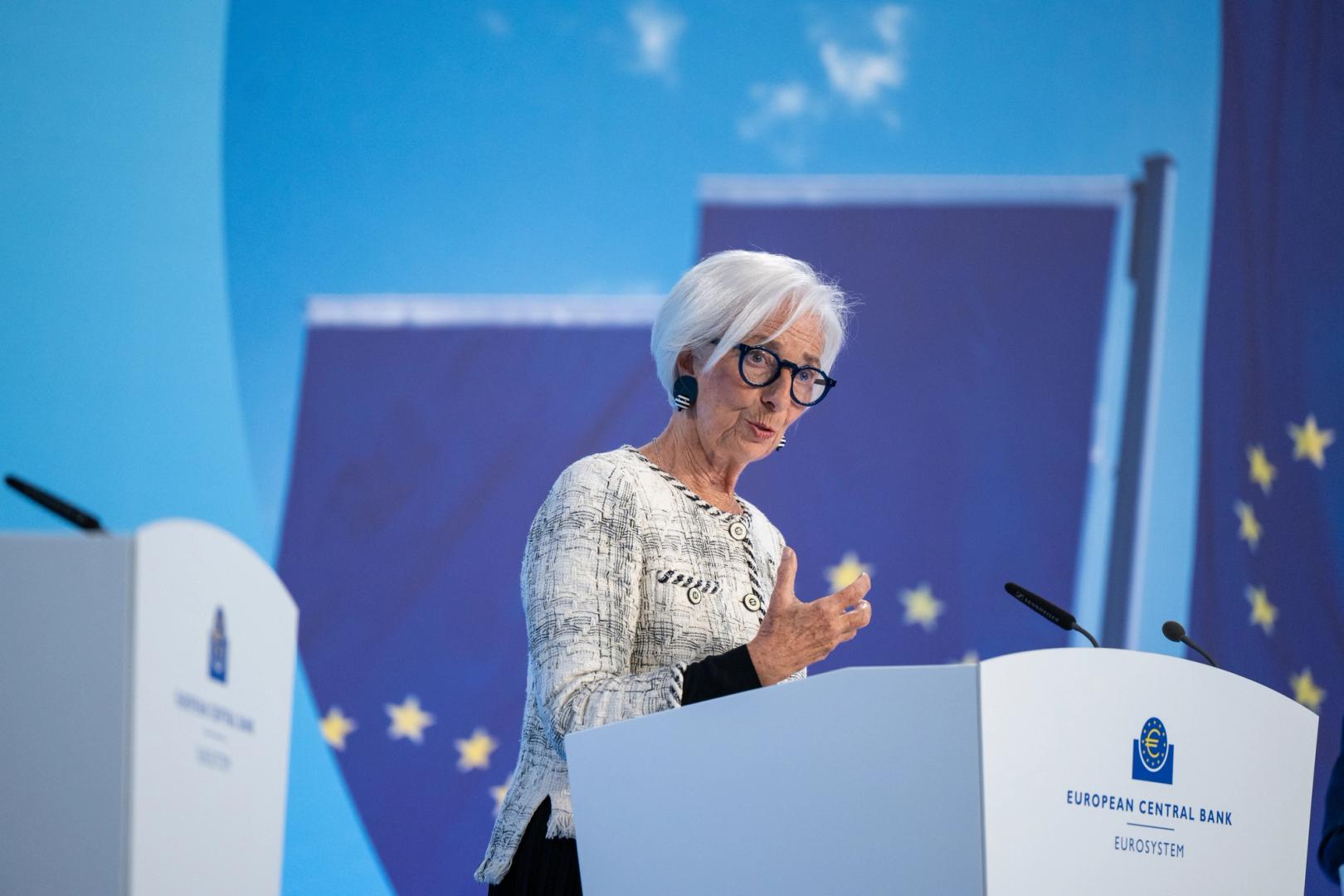
European Central Bank President Christine Lagarde warned on Friday that large stablecoins like Tether and USDC, which now dominate a $310 billion market, pose financial stability risks and could transmit stress to underlying asset markets during periods of turmoil.
Lagarde made the remarks at the Bank of Spain’s LatAm Economic Forum in Madrid. She argued that Europe should prioritize building tokenized settlement infrastructure anchored in central bank money rather than promoting privately issued euro-pegged stablecoins.
"The case for promoting euro-denominated stablecoins is far weaker than it appears," Lagarde said. Nearly 90% of the stablecoin market is controlled by two issuers, Tether (USDT) and Circle (USDC). 9997 on Friday.
Lagarde noted that stablecoin circulation has increased from $10 billion to $310 billion in six years. 3 billion of its USDC reserves were at the bank. "At scale, such dynamics can transmit stress to the underlying asset markets.
The promise of par redemption depends on the very market confidence that can vanish when financial stability deteriorates – and a mass redemption can accelerate that deterioration," Lagarde said. "As stablecoin use grows, so too does the potential for feedback loops between redemptions and asset markets, particularly where issuers are non-banks," she added.
U.S. Dollar-pegged stablecoins issued by Tether and Circle represents risks to Europe’s financial system. A consortium of major European banks plans to launch a privately issued digital euro later this year. Qivalis is a consortium of 12 of Europe’s largest banks, including ING, BBVA, BNP Paribas, Danske Bank, and UniCredit.