Lawmaker Questions Interior Department on Reflecting Pool Project and $13 Million Contract
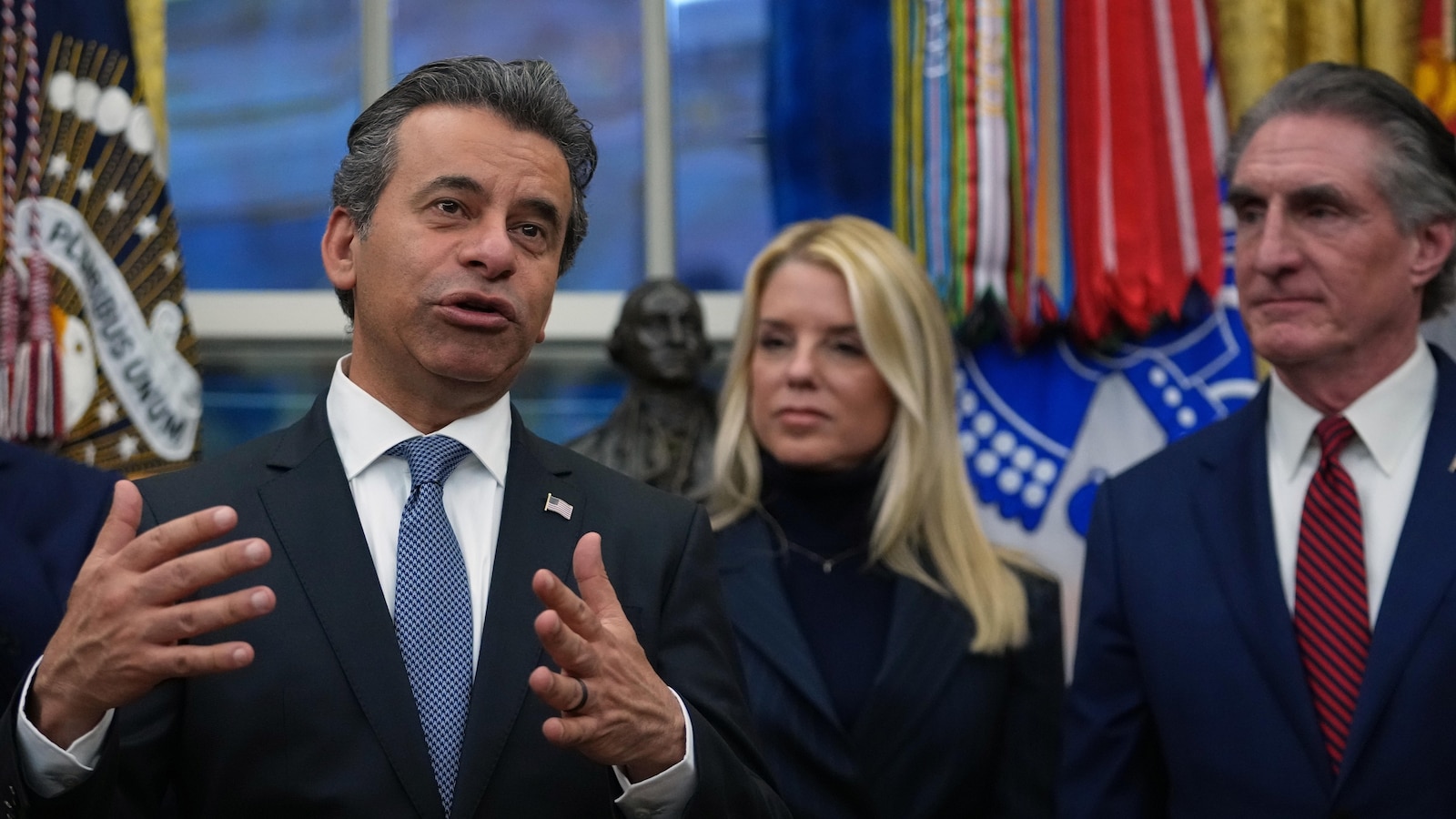
A Democratic lawmaker questioned officials about a reflecting pool project during a congressional hearing. The inquiry focused on the project's costs and a $13 million no-bid contract awarded for related work. The department has not publicly detailed its selection process for the contract.
 abcnews.go.com
A Democratic lawmaker pressed officials on the costs and contracting process for a reflecting pool project during a congressional hearing on Wednesday. The questions centered on expenses associated with the reflecting pool and a $13 million no-bid contract.
Officials have not released detailed information on the project's total budget or the criteria used to award the contract without competitive bidding. The lawmaker sought clarification on whether the no-bid approach followed standard federal procurement guidelines.
The department has maintained that the contract was issued in accordance with applicable rules for urgent or specialized work.
Exact location and completion timeline details were not specified in the hearing exchange. The $13 million contract covers unspecified services tied to the project. Federal records indicate no-bid contracts require justification under exceptions to standard competitive bidding requirements.
The lawmaker asked officials to explain the rationale for bypassing competitive bids. Officials responded that the selection was based on the contractor's specialized experience with similar historical restoration projects. No additional details on projected costs or timelines were provided during the hearing.
The department has previously stated that such projects aim to preserve national landmarks and improve public access. Further congressional oversight on the contract award is possible as lawmakers review federal spending practices.
Key Facts
Potential Impact
- 01
Department could face requests for additional documentation on the $13 million award.
- 02
Congress may increase scrutiny of federal no-bid contract justifications.
- 03
Public discussion of reflecting pool project costs may continue in oversight committees.
Transparency Panel
Related Stories
 The Guardian
WHO Chief Visits DRC as Ebola Death Rate Reaches 30-50%
World Health Organization director-general Tedros Adhanom Ghebreyesus arrived in the Democratic Republic of the Congo to support containment of a new Ebola outbreak. The agency revised the death rate to 30-50% based on confirmed cases and recorded 10 confirmed and 223 suspected d…
 westernjournal.com
Greek National Charged in UK With Aiding Iran-Linked Intelligence Service
A 46-year-old Greek man living in Germany was charged under the UK National Security Act with assisting an intelligence service believed to be Iran by targeting a journalist at Iran International.
 physicianonfire.com
Bilt Rewards reports $1 billion revenue target for 2026
Bilt Rewards CEO Ankur Jain said the company's flagship credit card accounts for less than 11 percent of revenue. The firm now processes more than $100 billion in annual housing spend across one in four U.S. apartment buildings.