world
Libya Sets First Unified Budget in Thirteen Years
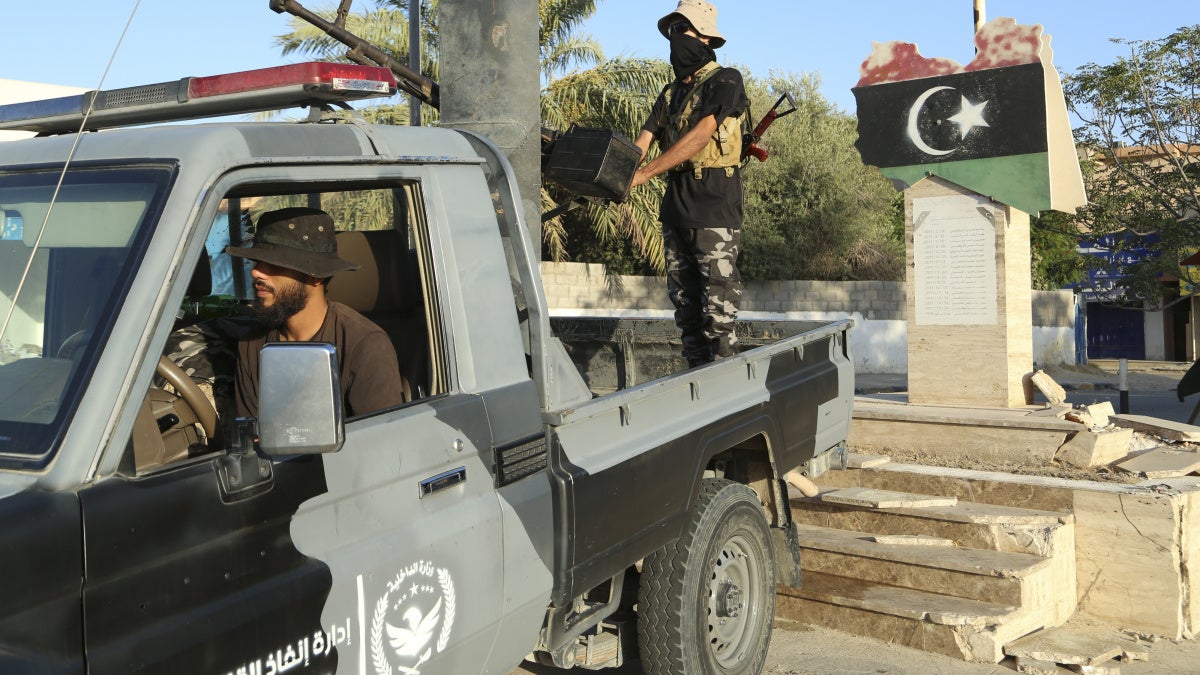
Libya's rival eastern and western authorities agreed on April 11 to a unified national budget for the first time since 2013. The Central Bank of Libya and international partners tied the agreement to dinar stability and transparent spending.
May 26, 3:39 PM·1m read1 source
 hrw.org
Audio version
Tap play to generate a narrated version.
Developing·Limited corroboration so far. This page will refresh as more sources emerge.
Libya is producing oil at a ten-year high of 1.4 million barrels per day, with the Government of National Unity aiming to reach 1.6 million barrels per day by the end of 2026. Brent crude prices near $100 per barrel have increased government revenue, yet the Central Bank of Libya devalued the dinar twice in less than a year.
The first devaluation of 13.3 percent occurred in April 2025. A second cut of 14.7 percent followed in January 2026, moving the official rate to 6.37 dinars per dollar. The parallel market rate reached ten dinars per dollar by late February 2026.
A weaker dinar has raised the price of imported food, medicine, and fuel. The World Food Programme reported that its Minimum Expenditure Basket rose 27.7 percent over the past year to 1,128 dinars in February 2026. Supermarkets rationed goods, gas stations faced fuel shortages, and ATMs ran out of cash during Ramadan.
Protests broke out across western Libya in February 2026, with demonstrators calling for the removal of political leaders. A January public opinion survey found that rising prices and cash shortages ranked as the top daily concerns for Libyans.
11, eastern and western authorities signed the first unified budget in thirteen years. The United States, United Kingdom, Egypt, France, Germany, Italy, Qatar, Saudi Arabia, Turkey, and the United Arab Emirates described the agreement as a step toward economic coordination.
The International Monetary Fund warned in April that Libya's fiscal path is unsustainable and that higher oil revenues could increase vulnerabilities if spending is not adjusted when prices normalize. The World Bank and African Development Bank have issued similar assessments.