world
Limited Vessel Traffic Through Strait of Hormuz Follows US-Iran Ceasefire Deal
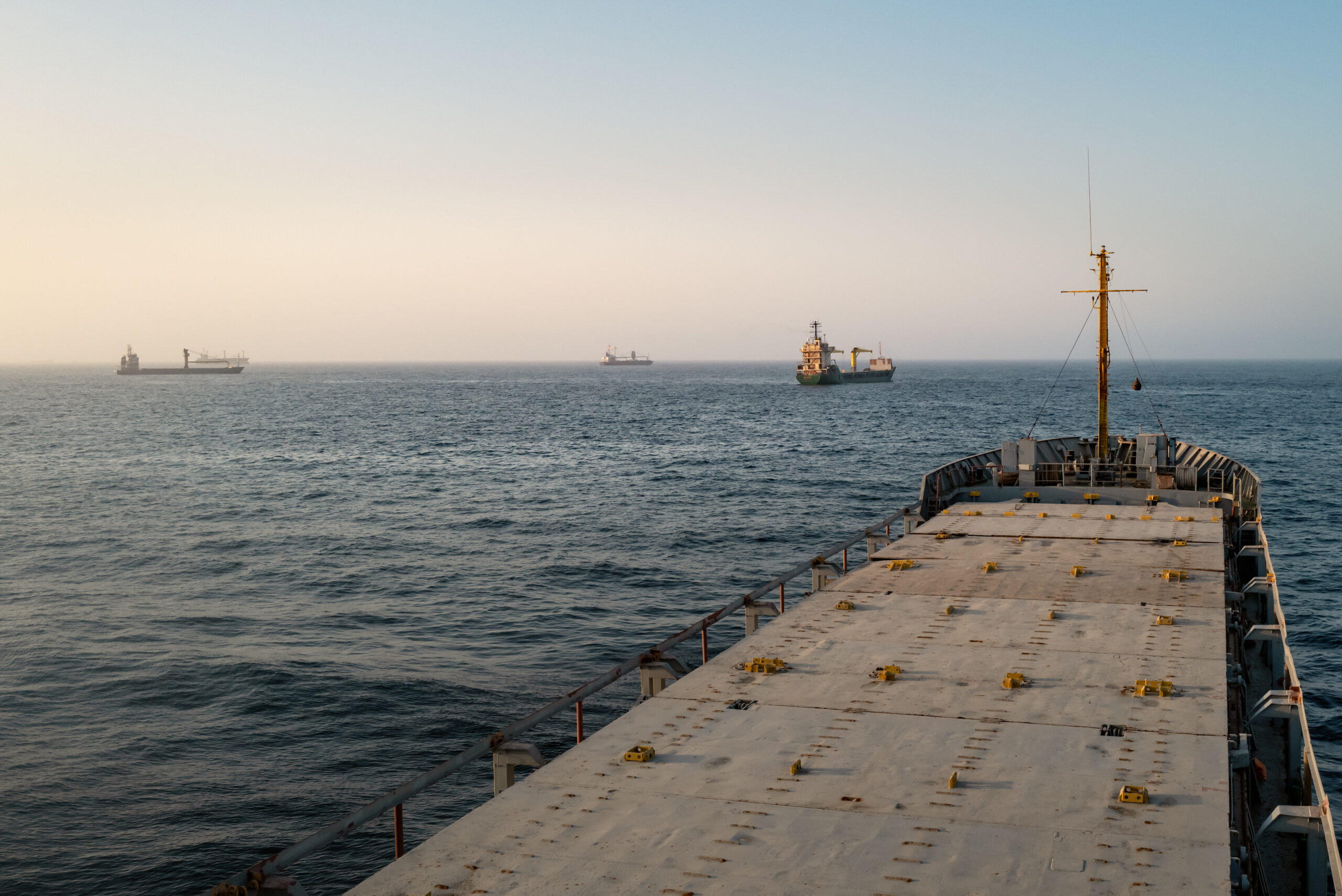
Analysis by BBC Verify indicates that only a few vessels have crossed the Strait of Hormuz since the US-Iran ceasefire agreement. This reduced traffic contributes to ongoing uncertainty in global shipping routes. The strait remains a critical passage for international maritime trade.
Apr 8, 1:21 PM·1m read1 source
 Substrate placeholder — needs review
Audio version
Tap play to generate a narrated version.
The Strait of Hormuz has seen limited vessel traffic following a recent ceasefire deal between the United States and Iran. According to analysis by BBC Verify, only a few vessels have crossed the strait since the agreement. This development occurs amid broader concerns about shipping stability in the region.
The Strait of Hormuz serves as a vital chokepoint for global oil and gas shipments, connecting the Persian Gulf to the Arabian Sea. Approximately 20% of the world's oil supply passes through this narrow waterway daily. Disruptions here can affect energy markets worldwide, impacting economies dependent on imported fuels.
Ceasefire The US-Iran ceasefire deal aimed to de-escalate tensions that had escalated in recent months.
Prior to the agreement, military actions and threats had heightened risks for commercial shipping in the area. The deal was negotiated to prevent further confrontations and restore safer passage for vessels. BBC Verify's analysis reviewed satellite data and shipping logs to assess crossings post-ceasefire.
The findings show a marked decrease in traffic compared to pre-ceasefire levels. Shipping companies have reported caution in routing vessels through the strait due to lingering security concerns.
traffic through the Strait of Hormuz could lead to delays in oil deliveries to major markets in Asia, Europe, and beyond.
Freight rates may rise as alternative routes, such as around the Cape of Good Hope, become more utilized. Insurers have noted increased premiums for vessels operating in the region. Affected parties include oil exporters from Gulf states like Saudi Arabia and the United Arab Emirates, as well as importing nations.
Long-term, sustained low traffic might prompt investments in alternative infrastructure, such as pipelines bypassing the strait. International maritime organizations continue to monitor the situation for safety advisories. Next steps involve ongoing diplomatic efforts to ensure compliance with the ceasefire.