world
LinkedIn Co-Founder Discusses AI Blame and Epstein Connections at Economic Event
A LinkedIn co-founder stated at an economic summit that artificial intelligence will face unfair blame for economic issues such as rising electricity costs and job challenges for college graduates. He attributed these problems to global factors like tariffs and military conflicts. The co-founder also addressed his past associations with financier Jeffrey Epstein and efforts to support victims.
Apr 13, 2:34 PM·2m read1 source
 Semafor
Audio version
Tap play to generate a narrated version.
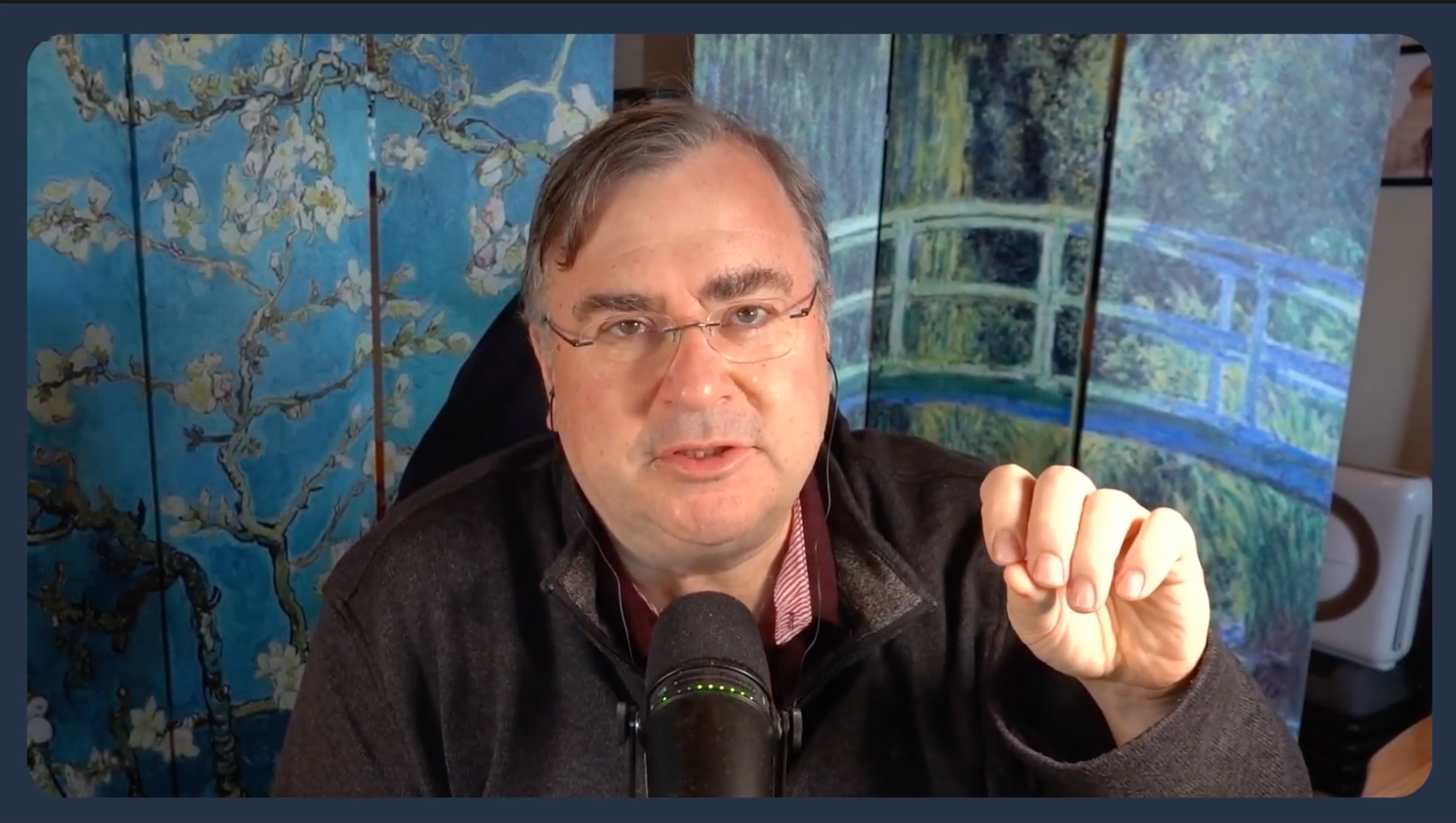
A LinkedIn co-founder spoke at Semafor World Economy in Washington, DC, on April 13, 2026, about the role of artificial intelligence in the economy. He stated that AI would be blamed for various negative outcomes despite lacking direct causation. The event focused on global economic intelligence.
The co-founder noted that rising electricity costs show no correlation with data centers or current AI usage levels. He said that blame for increasing electricity prices is currently directed at AI. This attribution occurs even though analysis indicates otherwise.
The discussion extended to difficulties faced by recent college graduates in entering the workforce.
The co-founder attributed these challenges to global turbulence, including tariffs and military conflicts, which create uncertainty. He stated that these factors, rather than AI, are undermining job opportunities for graduates. He emphasized that such blame on AI overlooks the broader economic context.
Current AI usage remains relatively modest, according to his remarks. This misattribution could affect public perception of technology's role. The co-founder urged against excessive skepticism toward AI to avoid missing opportunities in what he described as the Cognitive Industrial Revolution.
He compared potential outcomes to historical industrial developments, suggesting countries could either lead or lag in adoption. This revolution involves cognitive technologies transforming industries.
The co-founder also addressed revelations about his connections to Jeffrey Epstein, following document releases by the Justice Department earlier in 2026.
Documents showed that he visited Epstein's island in 2014, provided gifts, and offered assistance with negative publicity at the time. These details emerged from a large trove of files. He expressed regret over the time it took to recognize the severity of Epstein's actions.