finance
Lloyd's Launches $400 Million War-Risk Insurance Facility for Hormuz Shipping
Lloyd's of London and Chubb have formed a consortium offering $400 million in marine war-risk coverage for vessels and cargo transiting the Strait of Hormuz. The facility provides separate limits for hull, protection and indemnity, and cargo risks. Shipping companies have continued to seek additional evidence of route safety before resuming full operations.
Jun 19, 12:00 PM·1m read1 source
 rte.ie
Audio version
Tap play to generate a narrated version.
Developing·Limited corroboration so far. This page will refresh as more sources emerge.
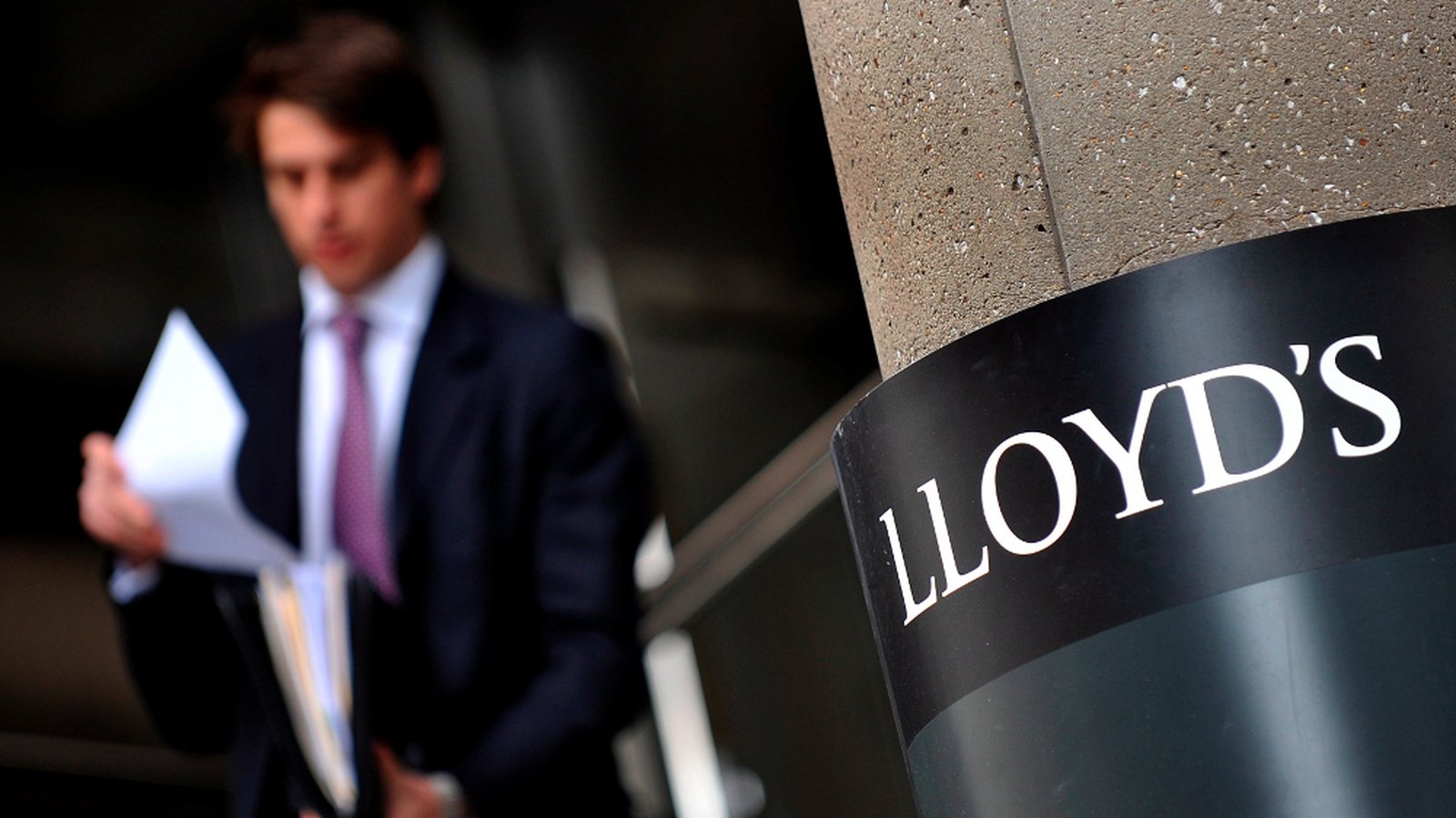
Lloyd's of London and insurer Chubb have formed a market consortium that will offer $400 million in marine war-risk insurance capacity for ships and cargo moving through the Strait of Hormuz. The facility will issue primary policies with up to $200 million of coverage for hull and protection-and-indemnity risks and an additional $200 million dedicated to cargo.
Chubb will serve as lead underwriter, supported by participating Lloyd's syndicates and specialist market partners.
Lloyd's of London writes between 70 percent and 80 percent of the world's war-risk insurance business. The new consortium is intended to increase available capacity for brokers and clients operating in what the announcement described as a complex and fast-moving environment.
Shipping companies have remained cautious following the recent peace agreement. Operators are seeking further evidence that the route is safe before fully normalizing traffic.