Substrate
finance

Mah Sing Buys Kuala Lumpur Land Plot for Future Development, Continues Data Center Push in Malaysia

The Malaysian conglomerate, ranked No. 422 on Fortune’s Southeast Asia 500, reported decade-high real estate sales of 2.51 billion ringgit in 2025 and raised its 2026 revenue guidance to 2.76 billion ringgit. Deputy CEO Lionel Leong cited natural economic spillovers from 5.2 percent national growth as the firm pivots further into property and industrial development for the AI era.

Fortune
1 source·May 10, 9:00 PM(18 days ago)·2m read
|
Mah Sing Buys Kuala Lumpur Land Plot for Future Development, Continues Data Center Push in MalaysiaFortune
Audio version
Tap play to generate a narrated version.
Developing·Limited corroboration so far. This page will refresh as more sources emerge.

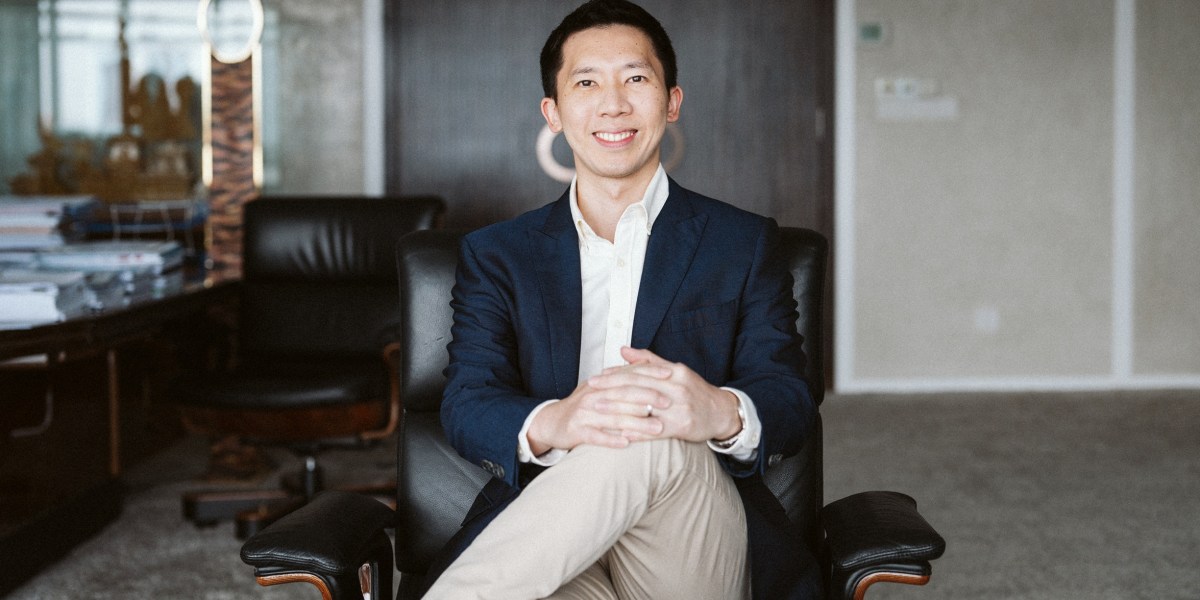
Mah Sing has acquired land fewer than 500 meters from Kuala Lumpur’s city center and hopes to roll out a premium offering later in 2026, Lionel Leong, Mah Sing’s deputy CEO, told Fortune. The move marks a departure from the firm’s M Series properties, which are priced at 500,000 Malaysian ringgit ($126,000) and target the mass market with affordable luxury homes.

51 billion ringgit ($633 million) in 2025, a decade high.

3 million). Property generates more than 80 percent of Mah Sing’s revenue. The company pivoted hard toward property development in 1994 after beginning as a plastics trader.

Mah Sing was founded in 1965 in Kuala Lumpur by Tan Sri Leong Hoy Kum as a plastics trader. The name derives from the ambition to expand across both Malaysia (“mah”) and Singapore (“sing”). 2 percent in 2025, ahead of government forecasts.

Lionel Leong said the success is benefiting local firms. “The spillovers are quite natural,” he said. Leong pointed to a 150-acre site in Southville City, Selangor, which Mah Sing hopes to develop into a large-scale data center hub with proximity to key infrastructure, access to power, water, dark fiber connectivity and the potential to tap renewable energy solutions.

15-acre freehold site within the Johor-Singapore Special Economic Zone. The zone was formally established in January 2025 to allow businesses to set up complementary operations on both sides of the causeway. Mah Sing has identified Johor Bahru as a key growth market due to its proximity to Singapore and rising cross-border economic activity.


In recent years the company has expanded beyond residential projects into data centers and industrial parks to tap Malaysia’s AI boom. The conglomerate ventured into the manufacturing of plastic gloves in response to the spike in demand for PPE during the COVID-19 pandemic. Lionel Leong said the firm’s long-term strategy centers on diversification.

“We’re looking to have a balanced and diversified business,” he said. Leong recalled visiting construction sites with his father in the 1990s, when Tan Sri Leong Hoy Kum first took an interest in real estate and would drive the family far from town.

Leong has noted that margins improved substantially after the shift into properties, allowing Mah Sing to leverage its entrepreneurial strengths while supporting Malaysia’s urbanization push.

Fortune reported that the firm is repositioning itself for the artificial intelligence era by leveraging land banks in the Klang Valley and Johor to court data center operators.

Key Facts

Mah Sing raised 2026 revenue guidance to 2.76 billion ringgi
The firm achieved decade-high real estate sales of 2.51 billion ringgit ($633 million) and profit of 260.1 million ringgit ($66 million) in 2025, up from 240.8
Company acquires land under 500 meters from Kuala Lumpur cit
This departs from existing M Series properties priced at 500,000 Malaysian ringgit targeting mass market
Mah Sing secures 419.15-acre freehold site in Johor-Singapor
Zone established January 2025; firm also holds 150-acre Southville City site in Selangor for data center hub

Story Timeline

6 events
  1. 1965

    Mah Sing founded in Kuala Lumpur by Tan Sri Leong Hoy Kum as a plastics trader

    1 sourceFortune
  2. 1994

    Mah Sing pivoted toward property development

    1 sourceFortune
  3. 2020

    Mah Sing ventured into plastic glove manufacturing in response to COVID-19 PPE demand

    1 sourceFortune
  4. January 2025

    Johor-Singapore Special Economic Zone formally established

    1 sourceFortune
  5. 2025

    Mah Sing reports 2.51 billion ringgit real estate sales, 260.1 million ringgit profit, and 5.2 percent Malaysian economic growth

    1 sourceFortune
  6. 2026

    Mah Sing plans premium residential offering and holds 419.15-acre site in Johor-Singapore SEZ plus 150-acre Southville City data center site

    1 sourceFortune

Potential Impact

  1. 01

    Higher profit margins from property segment which now exceeds 80 percent of revenue

  2. 02

    Diversified revenue streams across residential, industrial, and legacy manufacturing

  3. 03

    Increased exposure to data center demand from AI growth in Malaysia and Singapore cross-border activity

Transparency Panel

Sources cross-referenced1
Confidence score75%
Synthesized bySubstrate AI
Word count400 words
PublishedMay 10, 2026, 9:00 PM
Bias signals removed1 across 1 outlet
Signal Breakdown
Framing 1

Related Stories

SEC Chair Paul Atkins Says Congress Will Pass Crypto Legislationibtimes.com
finance51 min agoDeveloping

SEC Chair Paul Atkins Says Congress Will Pass Crypto Legislation

SEC Chair Paul Atkins stated he is confident Congress will pass crypto market structure legislation. He added that President Trump will sign the bill into law.

WA
BI
2 sources
Iran Says Strait of Hormuz Management Belongs to Iran and Omanasiaone.com
finance51 min agoDeveloping

Iran Says Strait of Hormuz Management Belongs to Iran and Oman

Iran's Foreign Ministry spokesperson stated that control of the Strait of Hormuz must be decided solely by Iran and Oman. The spokesperson also said no agreement has been reached with the United States and that current focus remains on ending the war.

DE
LI
ZE
IN
4 sources
Fed Official Highlights Regulatory Barriers to AI Productivity Gainscnbc.com
finance51 min agoDeveloping

Fed Official Highlights Regulatory Barriers to AI Productivity Gains

A Federal Reserve official stated that productivity growth remains key to economic expansion and that regulatory hurdles are the main obstacle to sustained gains from artificial intelligence.

FI
FI
2 sources